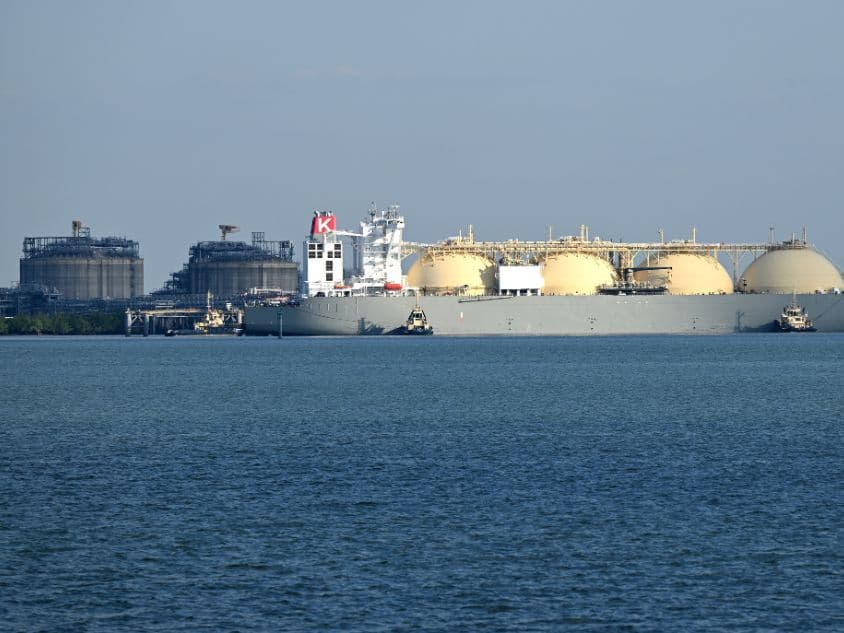
As Australia’s exports of gas have risen over the past 15 years since the opening of the Gladstone LNG terminal, the price paid for gas by Australians has soared above inflation.
The impact of local gas prices being linked with the world price has been most starkly shown since the Russian invasion of Ukraine. Since the end of 2021, Australian overall inflation has risen 17%, but gas prices paid by households has gone up 36%.
The price of electricity also rose largely in line with gas prices and only the subsidies by the Australian and state governments have kept those prices from rising at much the same rate in the past three years.
The price of gas has also smashed the Australian manufacturing industry – the cost of gas for manufacturing is now 50% more than it was before the invasion of Ukraine.
The Queensland gas industry has also lifted greenhouse gas emissions. As the most recent update of Australia’s greenhouse gas emissions notes, stationary energy emissions “have increased 17.7% or 14.4 Mt CO2-e driven, in particular, by continued growth in the production and export of LNG”, and that fugitive emissions “notably increased from 2015 driven by the expansion of onshore and offshore petroleum projects to support growth in the LNG exports industry.”
So yes, the Queensland gas industry is doing heavy lifting – lifting of gas and electricity prices, lifting the cost of manufacturing and lifting greenhouse gas emissions.
And all the while paying less tax on average than nurses.