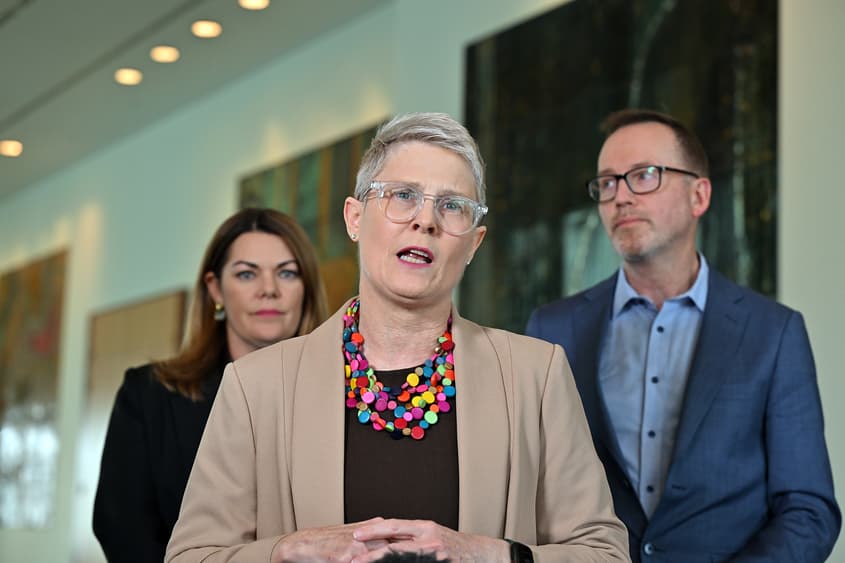
The Australian Electoral Commission publishes how much public funding was paid after each federal election. For the last election, that amounted to $91 million for political parties and $3 million for independents. Because of its larger vote share, Labor received more funding ($37 million) than the Liberal–National Coalition ($33 million).
Fri 28 Nov 2025 00.00
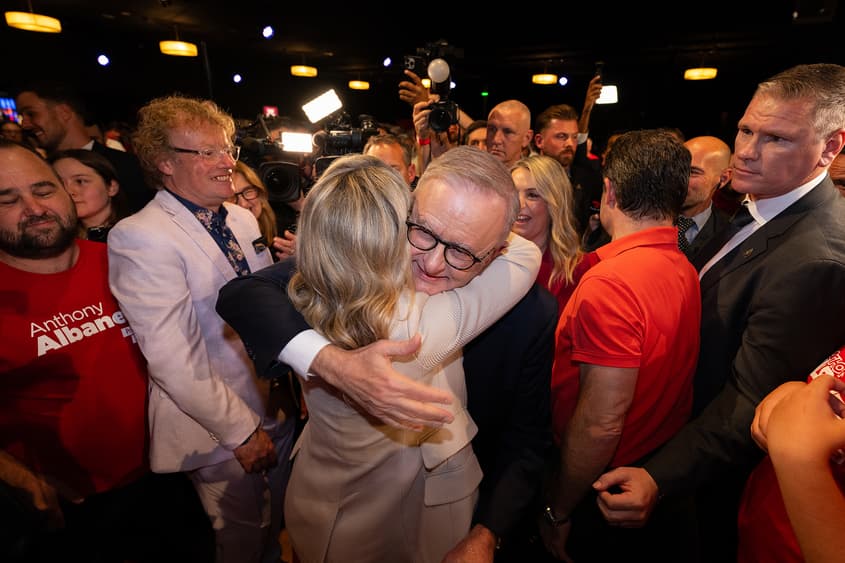
Photo: AAP Image/Lukas Coch


The Australian Electoral Commission publishes how much public funding was paid after each federal election. For the last election, that amounted to $91 million for political parties and $3 million for independents. Because of its larger vote share, Labor received more funding ($37 million) than the Liberal–National Coalition ($33 million).
At every federal election, a party or candidate that wins more than 4% of the vote gets about $3.50 in taxpayer funding per vote. Everyone casts two votes (one for a local member in the House of Representatives and one for the Senate), so each voter is worth about $7.
The Labor Government and Liberal–National Coalition voted together to increase per-vote funding to $5 per vote ($10 per voter) – so at the next election (due 2028), the amount of taxpayer funding going to political parties and candidates will rise by tens of millions of dollars.
This generous taxpayer funding (along with similar schemes in states and territories) means some parties are majority taxpayer funded. But political parties are not required to meet the same governance, transparency and reporting standards of other publicly funded entities like art galleries, museums and universities.
And while public funding is not bad in principle, the way it works in Australia is perverse. A party or candidate only receives the money after the election is over. That’s fine for repeat players like the major parties, but it means public funding is next-to-useless for a new party or candidate running for the first time.
Also unfair is the cap on public funding, to no more than a party or candidate spent at the election. A party that runs a shoestring campaign at one election is only funded to run a shoestring campaign at the next, while a party that starts with money and runs a big campaign can get much more funding – even if both parties are equally popular.
There is a better way – the democracy voucher system used in the City of Seattle. That puts control over taxpayer funding in the hands of voters, and encourages campaigns and candidates to talk to voters instead of just advertising to them.
With existing political finance laws subject to constitutional challenge, it is time for lawmakers to think about fairer and more effective ways to spend taxpayer money on politics.
With South Australia in its final week of campaigning ahead of the state election, you may have noticed while there’s been a few scandals around mistaken identity of hospital patients and controversial candidates’ opinions, accusations of politicians lying are muted.

Advertisement
Behind the closed doors of a consultation room, or concealed by impenetrable medical jargon, wrongdoing in the healthcare sector impacts the lives of every Australian.

An investigation into the illegal Robodebt scheme has found two senior public officials engaged in corrupt conduct, but the Greens say the political and bureaucratic “architects” have “walked away scot-free”.