So, it would seem Australians are not against travelling to North America, just that they’re choosing more and more to travel to the USA less and less.
It’s been pretty clear for nearly a year now that Australians have taken a look at what Trump and his ICE goons are doing and have decided that the USA isn't the place for them.
Tue 18 Aug 2026 01.00 AEST
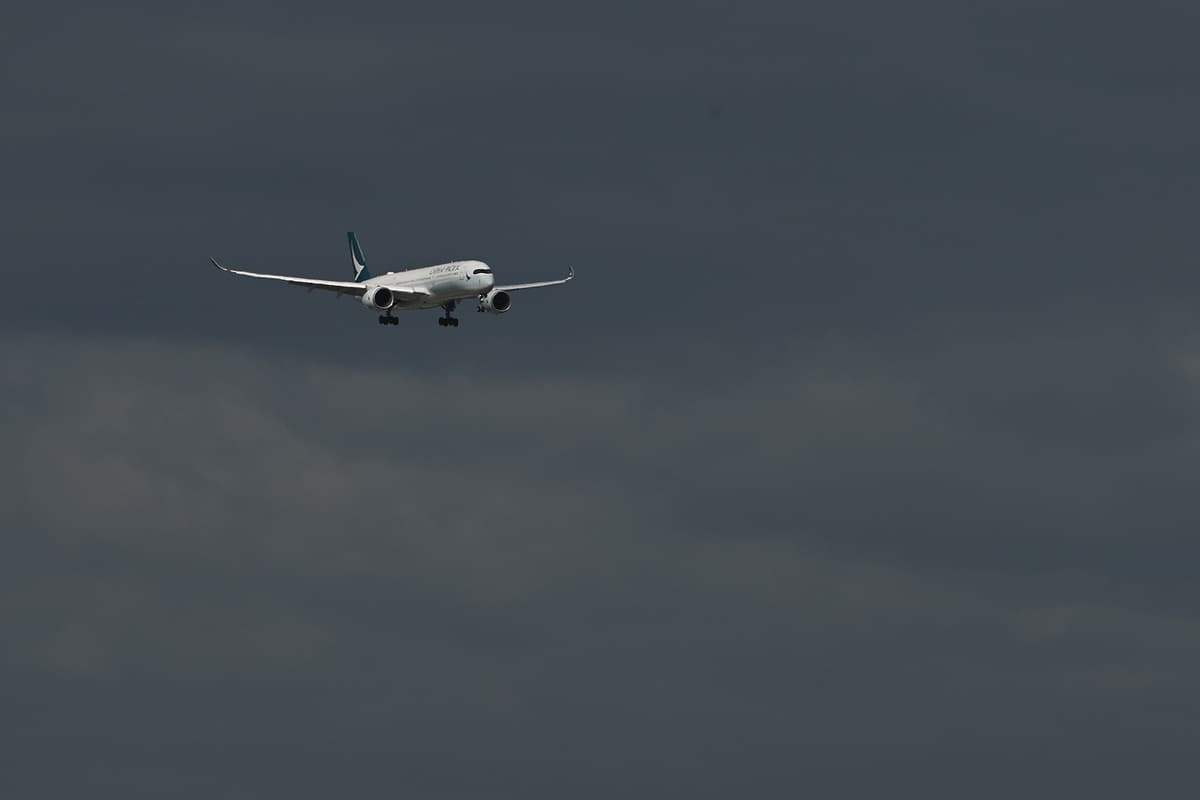
Photo: AAP Image/James Ross
For a while, I have been monitoring Australians’ travel to the USA.
It’s been pretty clear for nearly a year now that Australians have taken a look at what Trump and his ICE goons are doing and have decided that the USA isn’t the place for them.
Last Friday, the Australian Bureau of Statistics (ABS) released the latest travel figures for the month of June.
And given that this included the World Cup, I expected there to be a bit of a bump – after all, that is what happened when Brazil and Russia hosted the World Cup:
But no, there was no spike at all.
Now ok, for some reason fewer Australians every year travel to the USA in June than in May, so maybe this is just a normal thing (aside from the not so normal, World Cup, being held), and the figures also count residents returning, so I suspect a few are staying until July.
But if we look at the growth in travel destinations among the top 20 destinations, the USA has suffered the biggest fall (I have used the combined SE and NW Europe categories, because travelers generally visit more than one country when they go to those areas, unlike other nations):
And it is instructive that Canada has seen rather a boom in people travelling from Australia.
Since Trump took office in January 2025, annual travel to the USA has fallen 8%, while visits to Canada are up 9.5%:
So, it would seem Australians are not against travelling to North America, just that they’re choosing more and more to travel to the USA less and less.
Advertisement

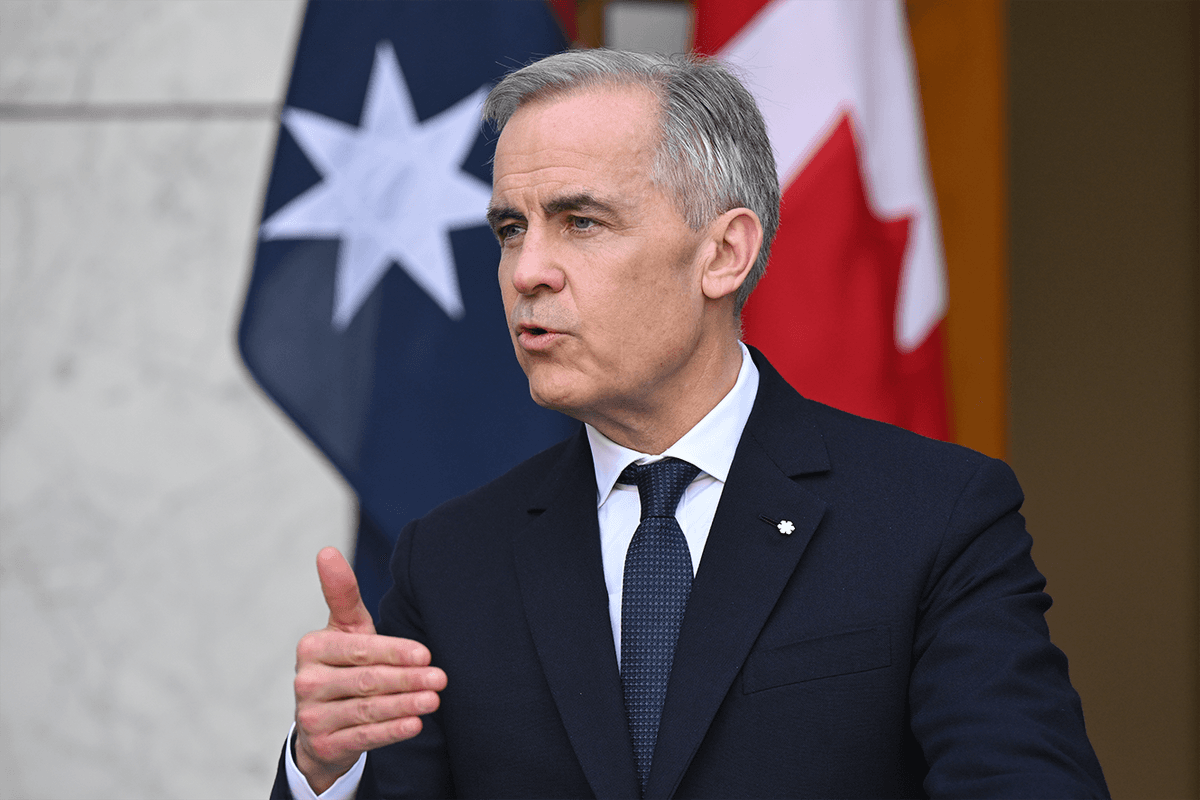
Canadian Prime Minister Mark Carney has rocketed to global celebrity status with his striking responses to Donald Trump’s chaotic actions in trade policy and geopolitics. On the home front, Carney has been just as frenetic.
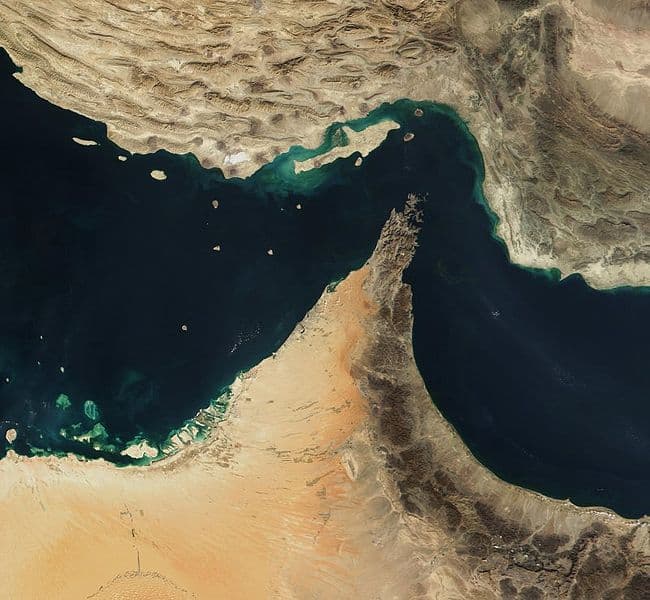
Global fossil-fuel emissions are set to fall by around 0.5% in 2026 amid the fallout from the Hormuz crisis, according to Carbon Brief analysis. The US-Iran war has severely disrupted trade through the strait of Hormuz, causing a spike in oil and gas prices that continues to ripple around the global economy.