In August, the unemployment rate rose to 4.6%, the highest for nearly 5 years, even as employment continued to grow relatively solidly. It will do little to change the likelihood of a rate rise next week.
By Greg Jericho
Thu 24 Sep 2026 15.59 AEST
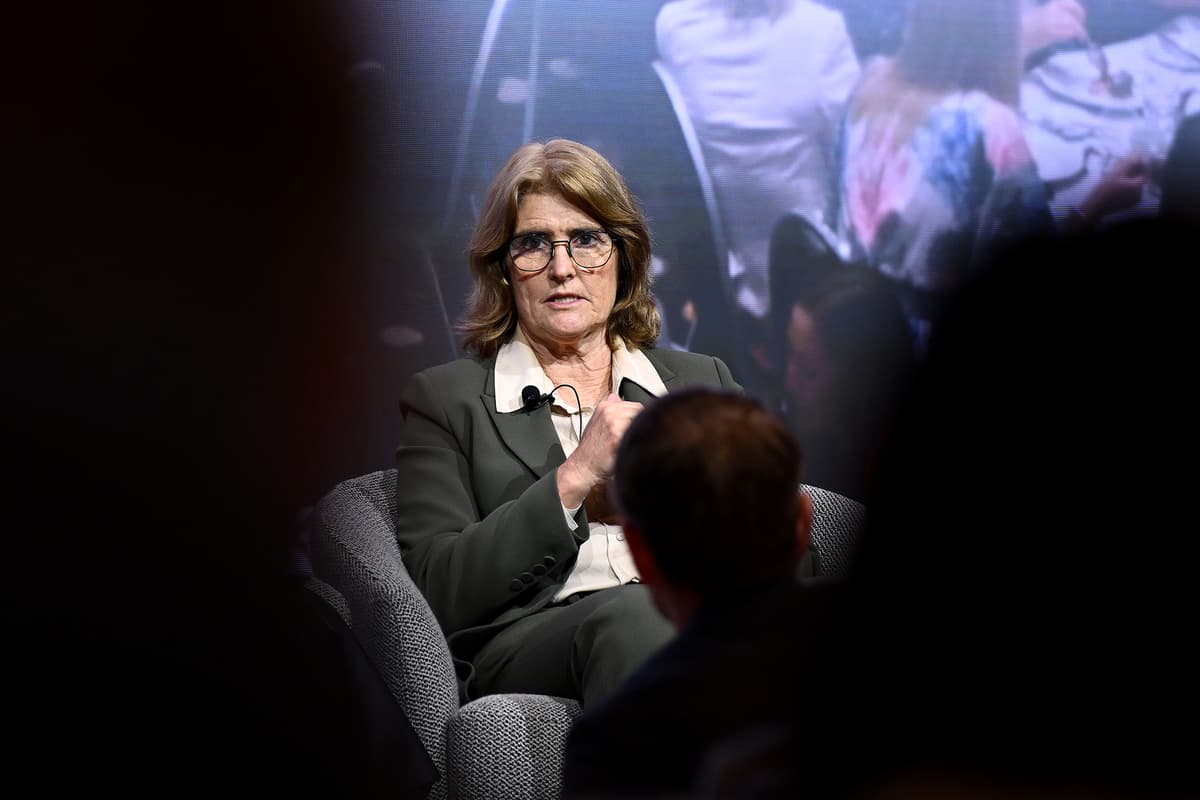
RBA Governor Michele Bullock speaks during a CEDA address. Photo: AAP Image/Dan Himbrechts


In August, the unemployment rate rose to 4.6%, the highest for nearly 5 years, even as employment continued to grow relatively solidly. It will do little to change the likelihood of a rate rise next week.
The latest labour force figures released by the Bureau of Statistics are that annoying type of economic data that provides something for everyone.
If you believe the Reserve Bank is wrong to keep raising interest rates – and that next week it should hold off on raising the cash rate to its highest level since 2011 of 4.6%, you will point to the unemployment rate rising to 4.6%:
This case is further made by the reality that when we go a bit further than one decimal point, the unemployment rate in August was 4.646%. This means there only needed to be a further 600 people out of work for the rate to have been rounded up to 4.7%.
The rise was driven mostly by more men looking for work. The unemployment rate for men aged 20-24 rose from 7.2% to 7.9%, for men aged 25-34 it jumped from 4.2% to 4.5%, and for men aged 45-55 it rose from 2.8% to 3.3%.
The biggest contributor to the rise in unemployment among women was among those aged 25-34, where the unemployment rate rose from 3.7% to 4.0%
This all means that the unemployment rate has risen more than half a percentage point from the start of the year, when the 4.0% rate preceded the RBA raising rates 3 times in a row. The current increase has placed the labour force close to the tipping point of recession according to the measure used by US economist Claudia Sahm:
According to Sahm, when the three-month average rate of unemployment rises by more than 0.5%pts in a 12-month period, that indicates a likely recession. She argues that this is when the central bank should cut rates and governments should begin stimulus spending, because inevitably unemployment will continue to rise sharply.
On the other hand, those who think the RBA is on the right track, will point to the reality that this is exactly what the RBA wanted. Just this week, the governor of the Reserve Bank, Michele Bullock, told the Centre for Economic Development that:
At the moment, we think that’s [4.5% unemployment] a bit tight….I think between 4.5 and 5 will probably take enough heat out of the labor market that it’ll ease pressure on inflation.
Quality research, analysis, explainers and factchecks from experts you can trust.
The RBA is happy, and indeed essentially wishes, for unemployment to keep rising because it believes that will ease inflationary pressures. Just how it will affect world oil prices and, by extension, local petrol prices is less clear:
Since the last RBA board meeting, the average price of unleaded petrol has risen 40c/l – equivalent to more than one interest rate rise in costs to Australian families.
But the RBA, and those wanting more rate rises, will point to the still relatively solid employment growth.
In August, 39,494 more people were employed – a good increase, which even in trend terms (which are less erratic than the usual seasonally adjusted numbers) shows that employment continues to grow well over the year:
That alone will be enough for the RBA to raise rates next week. The Governor will no doubt acknowledge the rise in the unemployment rate, but point to the growth of employment as a sign that the economy is still too buoyant, and thus needs to be slowed.
But a deeper look finds that the big growth in employment was in part-time employment, while full-time employment fell slightly – hardly a sign of strength.
Right now, the market is almost certain the RBA will raise rates next week:
And with that, we also know the odds of the unemployment rate rising are equally certain.
But that is what the RBA wants, and so that is what it, and we, get.