Something has gone terribly wrong with a society and an economy that sees a steady and inexhaustible flow of garbage as a reliable fuel for generating electricity. But here we are.

Tue 9 Dec 2025 00.00
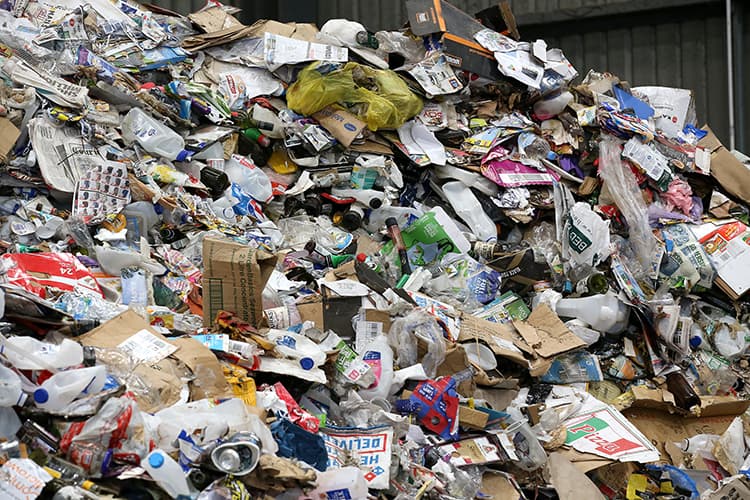
Photo: AAP Image/Jono Searle


Something has gone terribly wrong with a society and an economy that sees a steady and inexhaustible flow of garbage as a reliable fuel for generating electricity. But here we are.
After decades of state governments promising that their ambitious targets for recycling and waste reduction would kick in “soon”, we’ve now reached the point where governments are openly embracing their own failure.
Instead of trying harder to reduce waste, they are promoting the idea that burning huge quantities of plastic, clothing, and food waste is somehow the answer to the climate crisis. Yeah, right.
Waste incinerators are already operating overseas, and an enormous incinerator is currently under construction in Perth, which is estimated to ‘process’ (burn) 460,000 tonnes of garbage per year. And proposals for more incinerators are popping up in NSW and Victoria faster than Australians have embraced buying plastic crap for Halloween.
Everyone knows what an incinerator is: a large facility built to burn waste. And everyone knows nobody wants to live downwind from one. That’s why state governments have become so keen on the euphemism “waste-to-energy”. It sounds better than “giant burner of plastic and household rubbish”. It also neatly sidesteps the fact that these facilities undermine long-term efforts to improve waste management, not strengthen them.
The Australia Institute’s submission to the NSW inquiry into waste incineration makes clear that the only long-term solution to managing Sydney’s residual waste “is to reduce the production of residual waste” rather than rebrand giant incinerators as clean, green “waste-to-energy” facilities that rebadge a literal bin fire as climate policy.
Economics is supposed to be about the pursuit of efficiency. But just as Australian governments have turned their backs on waste-reduction strategies, many economists have turned their backs on the pursuit of efficiency. The Australia Institute’s research highlights that since 2000, Australia’s plastic consumption has more than doubled. And by 2049–50, plastic consumption is projected to increase two-and-a-half times again. We’re drowning in plastic because we keep producing it. Worse: just 14% of plastic waste is kept out of landfill.
But while the economists at Treasury should be concerned about the enormous waste of resources consumed in the debacle that is Australia’s retail and packaging sectors, with huge quantities of imported plastics being used once, often less, before being thrown away, those same economists are instead looking for ways for governments to profit from increasing waste flows.
The NSW Independent Planning Commission has already belled the cat.
In rejecting the proposal to fire up the Redbank Power Station using so-called ‘biomass’ back in September, the Commission said the project’s fuel strategy of relying on burning ‘invasive native species’ and other ‘eligible waste fuels’ before transitioning to ‘plantation crops’ was “[c]entral to the Commission’s consideration of the Application”.
The Commission refused the project in part because it would “establish a new commercial incentive to increase land clearing to a rate materially greater than the average actual clearing rates.” Put simply, the Planning Commission knew that once there was money to be made from burning wood waste from land-clearing, the amount of land-clearing would increase.
That’s precisely why waste incinerators are so dangerous. Once a company spends a billion dollars building an incinerator to generate electricity, and once that company starts paying people for waste to burn, there will be even more incentives to produce waste and even less incentive to reduce it. The Treasury economists know that.
The scale of waste is produced in Australia is hard to comprehend. On average, Australians buy 56 items of clothing each year, making us the second-largest per -capita consumers of clothing in the world. More than 1.4 billion clothing items enter the market every year, and over 200,000 tonnes end up in landfill, that’s nearly four times the weight of the Sydney Harbour Bridge.
Meanwhile, Australia wastes 7.6 million tonnes of food per year, that’s the equivalent of 152 Sydney Harbour Bridges. Importantly. A large share of this food waste is caused not by consumers, but by labelling rules and cosmetic standards for food imposed by retailers.
There’s nothing efficient about the way Australians produce, consume, and dispose of food, but burning the evidence is not the answer.
But even putting economic and environmental impacts aside, Australians just don’t want incinerators. They want regulation. Polling by the Australia Institute found that 85% of people support legislated plastic-reduction targets; 80% want laws phasing out single-use plastics; and 86% want requirements that new plastic products contain recycled content . Two-thirds of people say they would repair textiles if supported by a repair rebate.
Whether Australian governments are serious about old-fashioned economic efficiency or new-fashioned circular economies it is clear that paying companies to burn our waste is going to lead to more waste and less efficiency. Burning plastic and others waste might be profitable for its proponents, but the result will be even more of Australia’s climate policy credibility going up in smoke.
Richard Denniss is co-chief executive of the Australia Institute.
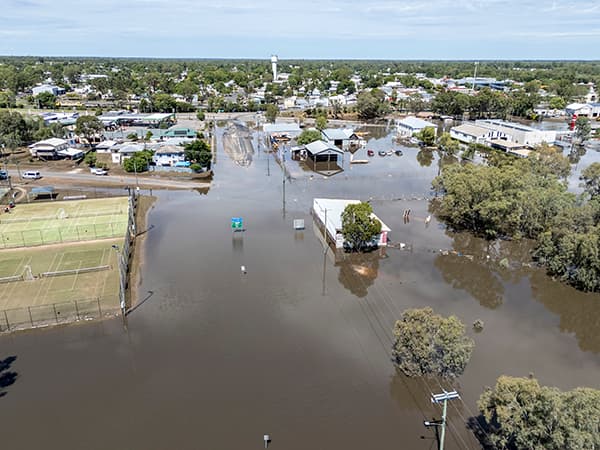
Whether we realise it or not, everyday Australians are already paying for the damage fossil fuel companies are causing to our climate though more frequent and extreme fires, floods, heatwaves and other disasters.

For the last decade, Australians have been continually told by the gas industry, media commentators and politicians we have a gas shortage. These claims are almost always used to pressure Australian governments to approve open new gas fields on the basis that the gas is needed to supply Australians and reduce gas prices.
A sharp rebuke of Australia’s gas industry was delivered in Parliament overnight, as Labor MP for Chifley, Ed Husic, accused major exporters of putting profits ahead of the public interest and called for a stronger national approach to managing the country’s gas resources.