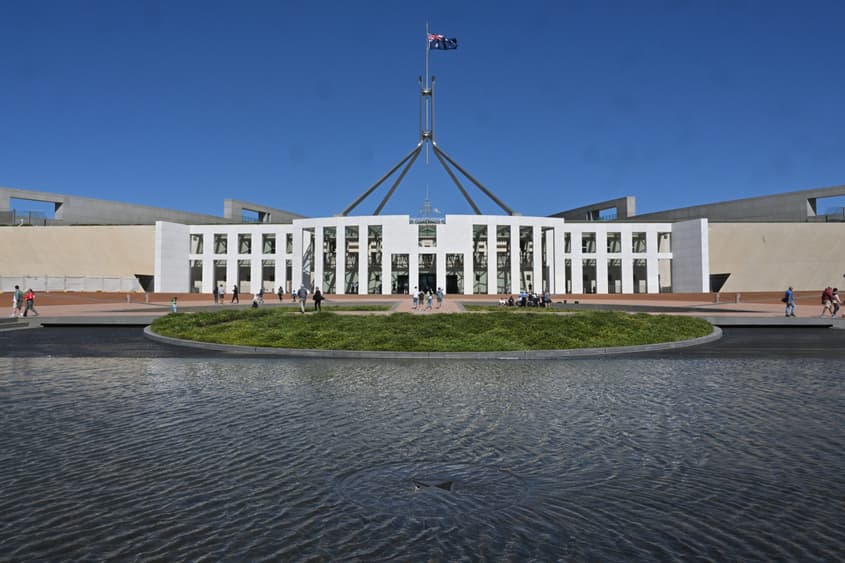
Few issues unite progressive and conservative voters. Ending corruption is one of the few exceptions.

Thu 18 Dec 2025 01.00
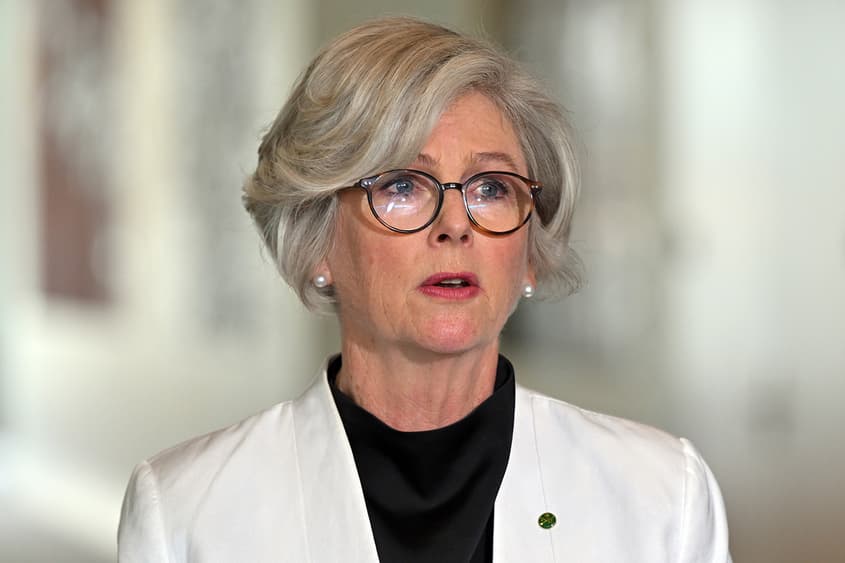
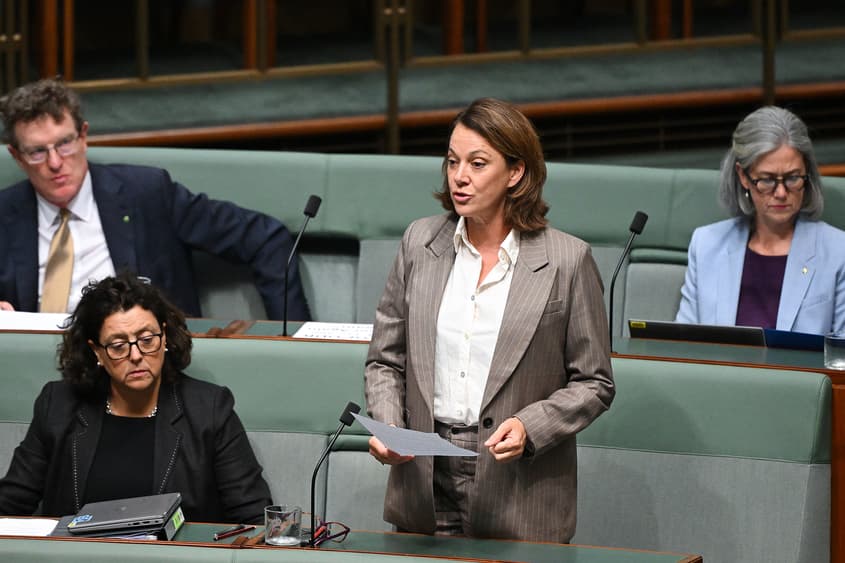
Photo: AAP Image/Mick Tsikas


Few issues unite progressive and conservative voters. Ending corruption is one of the few exceptions.
Polling from the Australia Institute in 2023 found that 85% of One Nation voters and 69% of Greens voters reached the same conclusion: Australia has a corruption problem.
At the 2022 federal election, Australians across the political spectrum agreed that politics had issues with integrity. Secret ministries, carpark rorts and Robodebt left voters with a songbook of scandals and secrecy.
Public trust was badly eroded.
When the Coalition was booted from government, and the crossbench grew to historic heights, the message from voters was damning. They wanted the headlines of wrongdoing to end and integrity to be restored.
The Albanese Labor Party promised to legislate a National Anti-Corruption Commission (NACC). Before coming to government, Labor spoke forcefully about restoring integrity and strengthening Australia’s accountability framework. To their credit, they prioritised the creation of the NACC and delivered on that promise.
But integrity reform does not end with legislation. It lives or dies in how an institution operates — and whether it earns and keeps public trust.
And since its inception the NACC has fallen short.
The Parliamentary Joint Committee on the National Anti-Corruption Commission provides one of the few opportunities to scrutinise how the Commission is functioning. As Deputy Chair of that committee, I take my oversight role seriously. Parliamentary scrutiny matters, particularly for a powerful integrity body whose work is largely hidden from view.
Australians expected the NACC to hold those responsible for corruption to public account.
Instead, many are asking why so much of its work happens behind closed doors, why decisions are delayed and poorly explained, and why transparency appears to be the exception rather than the rule.
Visibility over the NACC’s operations is hampered, in part, because the Commission has not held a single public hearing since it was established. That fact alone should give pause.
My concerns are not new. When the NACC legislation was debated, I hesitated over one critical feature — the inclusion of an “exceptional circumstances” test that must be met before a public hearing can be held.
I feared that without a clear definition, “exceptional” would become a barrier to transparency rather than a safeguard against harm. That fear has proven well-founded.
Under the NACC Act, hearings are generally private. To hold a public hearing, the Commission must clear two hurdles. First it must be satisfied that a public hearing is in the public interest, and that exceptional circumstances justify holding it in public. It is this second hurdle, the exceptional circumstances test, that is the real problem.
No one knows what constitutes “exceptional” — not even Commissioner Brereton himself. I pressed him on this point a year ago, and he said he will “know it when [he] sees it”.
Since its establishment, the NACC has conducted more than two dozen private hearings with witnesses, yet not a single public hearing. For a National Anti-Corruption Commission that has completed inquiries such as Operation Kingscliff, which found a Department of Home Affairs official engaged in corrupt conduct involving nepotism, it is difficult to accept that no matter has met the public interest threshold for a public hearing.
As the saying goes: you can’t believe what you can’t see.
Last week, one year on from my first enquiry, I repeated my question to the Commissioner at the oversight committee hearing. He confirmed he still hadn’t seen the ‘exceptional circumstances’ that would warrant a public hearing, nor could he define what exceptional circumstances might be.
“I’m pretty keen to have [a public hearing], and say ‘right we’ve done one’, but I’ve got to do that responsibly and lawfully, and not just to get the issue off my back. I’ve got to have a case that ticks the boxes and which it will be appropriate to do it.”
To be clear, public hearings should not be the default. Any anti-corruption body must be able to investigate sensitive matters, protect confidential information, and shield innocent witnesses. But public hearings also play a vital role. They build confidence that wrongdoing is being addressed, demonstrate that no one is above scrutiny, and reinforce the integrity of public institutions.
Public hearings are not about spectacle or trial by media. When used carefully, with appropriate safeguards, they are a cornerstone of accountability.
Without sufficient transparency, public confidence will continue to erode. An integrity body that operates largely in the dark risks becoming disconnected from the very public it exists to serve.
Australians were promised a new era of transparency and accountability. The NACC can still deliver on that promise, but only if we are willing to confront its shortcomings, remove unnecessary barriers to openness, and recognise that integrity is not achieved by secrecy, but by trust earned in the light.
A good first step is to scrap the ‘exceptional circumstances’ test.
Helen Haines is the Independent Member for Indi and is the Deputy Chair of the Parliamentary Joint Committee on the National Anti-Corruption Commission.
Advertisement

Behind the closed doors of a consultation room, or concealed by impenetrable medical jargon, wrongdoing in the healthcare sector impacts the lives of every Australian.
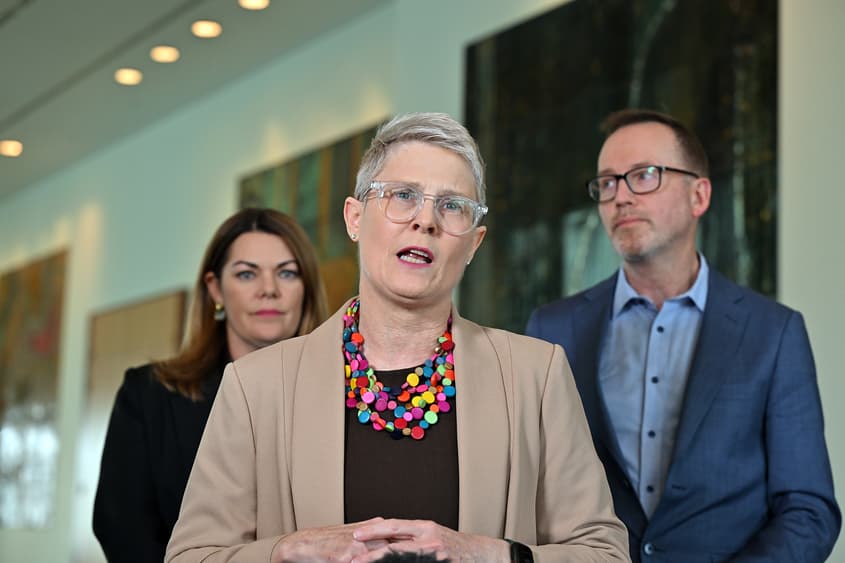
Independent MP Sophie Scamps has questioned Prime Minister Anthony Albanese about reports that he offered his Liberal–National Coalition rivals extra staff in exchange for their support for the Labor Government’s crackdown on freedom of information rights. To her credit, then Opposition Leader Sussan Ley turned him down on this offer.
The stereotypes of democratic decline are rigged elections or daily street chaos. However, Australia’s democratic decline is happening much more quietly, with weakening whistleblower protections and the steady expansion of laws over several years that have made protest riskier than ever.