Those responsible for the climate crisis must be made to pay for the mess they have made.

Thu 15 Jan 2026 06.00

Image: AAP/David Crosling


I am no stranger to heat or fires. I grew up on a farm in Wiradjuri Country, Victoria, and then lived for fifteen years in Arrernte Country in Mparntwe, Central Australia. But the heat and fires I grew up with are nothing like what we are seeing now.
As we drove down the Calder Freeway to Melbourne on Friday, I watched the emergency apps show the fire front moving towards our house and listened to reports of devastating loss to Djaara Country in Harcourt. All I could think about was how much the fossil fuel companies owe us. I did mental calculations of just how much disaster preparedness and cleaning up in the aftermath costs – and not just financially.
Research from Oxfam found that, in 2024, 585 of the world’s largest and most polluting fossil fuel companies made $583 billion in profit. In 2024-25, export earnings from Australian fossil fuel companies were $385 billion. In contrast, the Australian government’s disaster fund is worth just $4.7 billion. Over the weekend Albanese toured Harcourt and announced a $19.5m support package. But the Australian government is still subsidising the fossil fuel industry that is responsible for worsening climate disasters to the tune of $14.9 billion a year.
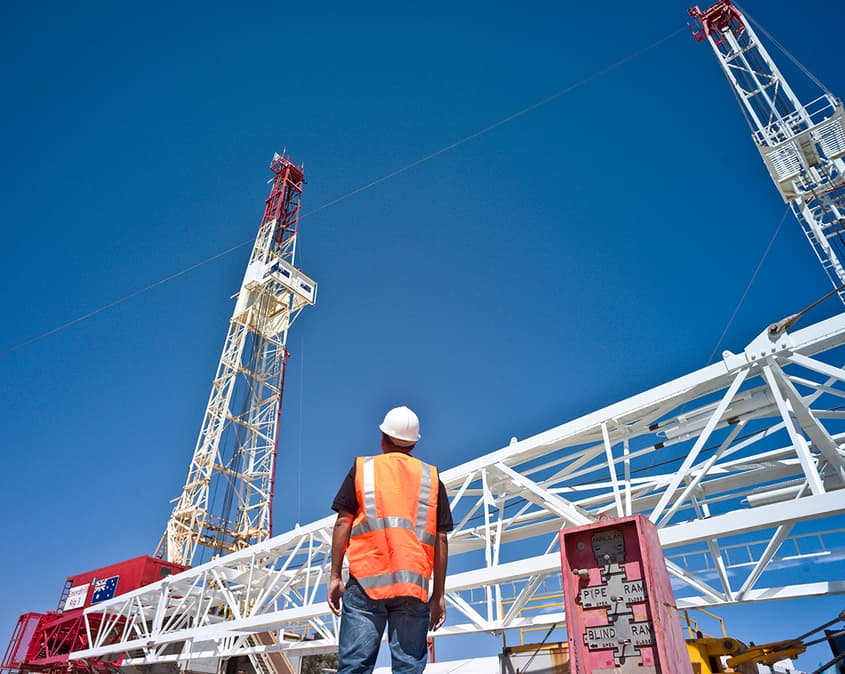
For decades, fossil fuel companies have dug up coal and gas knowing full well that the carbon emissions that they profit from were heating up the planet. They long suppressed the science on climate change, and are still doing everything they can to prevent the move away from fossil fuels, which is what real action on climate change involves. These fires are not natural – their ferocity is man-made.
To add salt to the wound, the gas industry does not pay its fair share of tax. Instead, our communities are left to crowdfund to cover the cost of rebuilding. My community is so incredible that a snap fundraiser held at Boomtown winery over the weekend raised $130,000. This is because we all want to help, but it shouldn’t be up to us to foot the bill.
How is it just that my friends, my footy captain and my kid’s psychologist be out volunteering to protect our homes, sports fields, schools and cafes from these wildly unpredictable ferocious fire storms when the companies responsible for them are let off the hook?
We are going to need vast resources to manage the ongoing, rolling crises that burning fossil fuels has created. The impacts of heat, drought and flood will become more frequent and the costs will mount. Those responsible for the climate crisis must be made to pay for the mess they have made.
We must get off fossil fuels. We need an immediate ban on all new fossil fuel projects and to invest in substantive planning and funding for a rapid transition for workers and communities currently reliant on these industries. I strongly support calls for a Climate Pollution Levy – a disaster levy – to fund the cost of the training, planning, infrastructure and equipment required to respond to crises of this magnitude as well as the transition. I also want to see actions for compensation as we have seen deployed for asbestos and tobacco companies in the past.
All this is needed so that our SES, firefighters, and local CFAs are properly equipped to deal with the increasing scale and frequency of these disasters. It is also needed to pay for psychologists and trauma counsellors, to pay for emergency food systems and telecommunications services, and better resourced health services. We also need this funding to cover the cost of emergency housing so that people are safe during the immediate aftermath of these crises, as well as during the long tail of recovery. Accessing housing is already a disaster that needs addressing and until then we know that these emergencies will amplify every existing fault line. The resources for these services and equipment must be fairly and equally distributed.
I’m back home, and our house is still standing. The fire front passed about six kilometres away, and it shifted direction with the cool change on Sunday. But, despite the incredible efforts of the CFA, fifty families and over 85 businesses in the nearby town of Harcourt were less lucky. Countless animals and plants have been killed as well as immeasurable damage caused to Dja Dja Wurrung cultural heritage. Over 3,700 hectares of beautiful Djaara Country already burnt and, at the time of writing, the powerful mountain Leanganook is still on fire. As we settle back in, the whirr of helicopters fighting the fire to our east can be heard. I’m trying not to stress my kids.
I know this isn’t the last summer my community will go through this. As we face the ongoing and increasingly devastating impacts of the climate emergency we are going to need to be ready to support each other, year in and year out. I am so humbled by the generosity and ingenuity of my neighbours and friends and our powerfully connected mutual aid networks, but we can’t manage these crises on our own.
The infrastructure we need is going to cost an enormous amount of money. We know exactly which companies have enormous amounts of money, and exactly which ones are responsible for the climate crisis. Now we need to make them pay for the damage they have done.
Alex Kelly is Director of the Economic Media Centre and a filmmaker, based on Dja Dja Wurrung Country where she lives with her family in Castlemaine.
Advertisement

The greenhouse gas data is one of those rare data sets where you want the figures to go down – less is better. And the problem for any efforts to limit the impact of climate change is that Australia’s emissions have not been going down anywhere near as fast as they need to be.
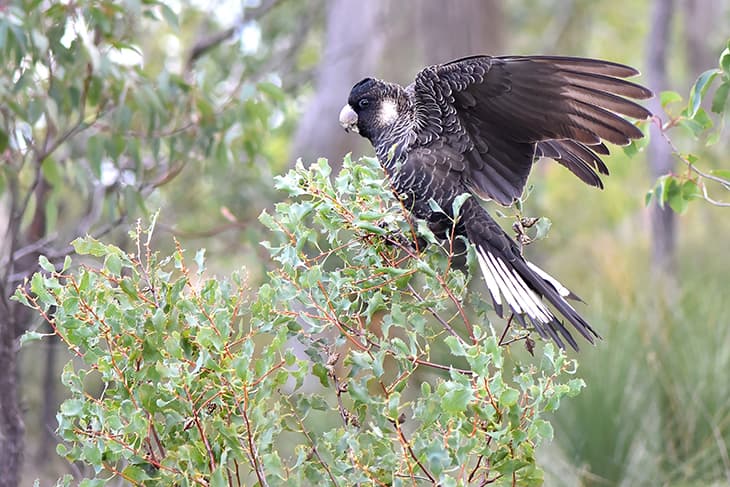
A leading conservation organisation has sounded the alarm over the ongoing destruction of critical black cockatoo habitat in Western Australia.
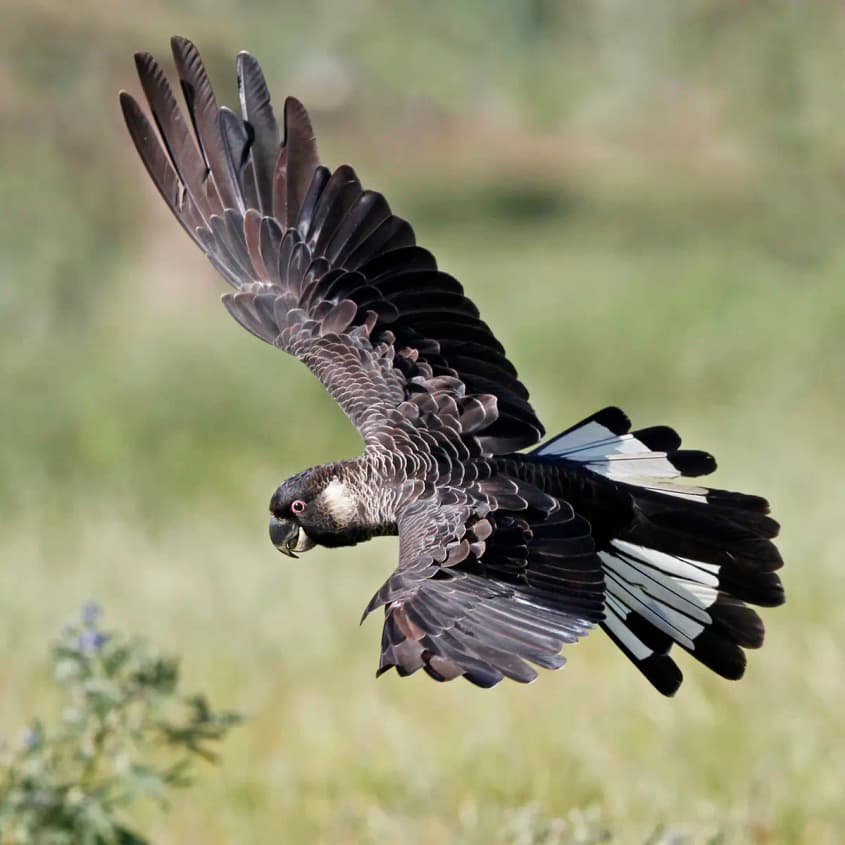
Australia’s environmental laws are meant to protect the irreplaceable, not offer accounting tricks that allow their irrevocable destruction.