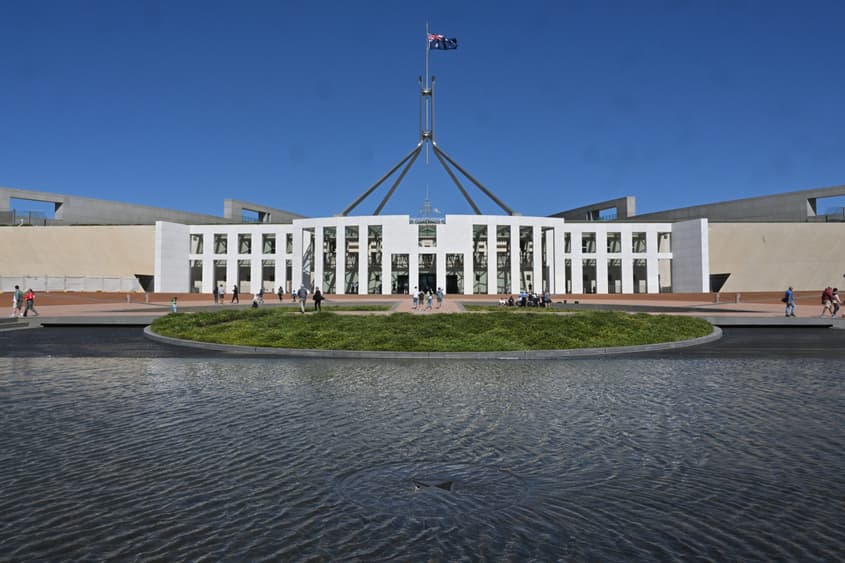
While the Coalition’s demise is great spectator sport for political-watchers, it does nothing to engender faith in democracy.

Mon 2 Feb 2026 11.00
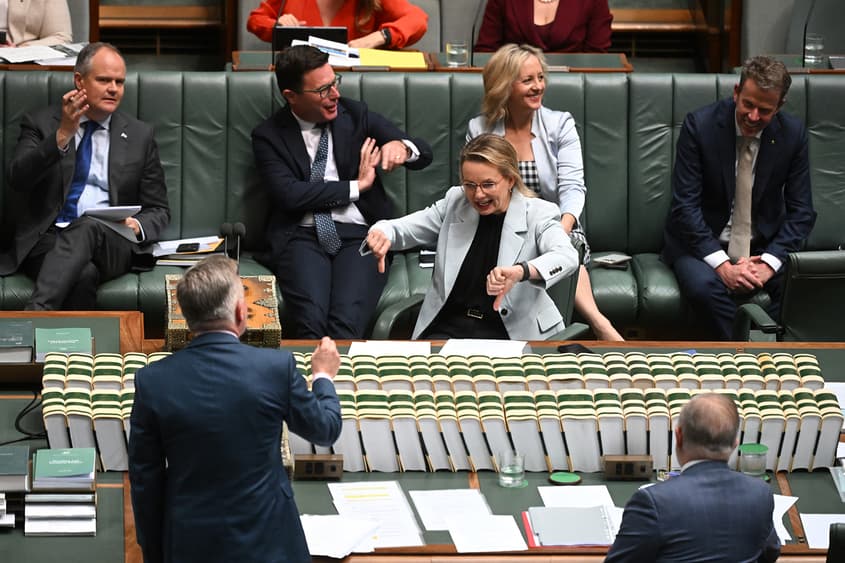
Photo: AAP Image/Lukas Coch


We are about to head back into parliament – and the sitting year proper – with one of the major parties again focused on itself, and the other doing all it can to ensure the focus remains on its rivals.
Australian politics is often unedifying. But watching the latest spill-non-spill-spill (or Schrödinger’s spill, if you will – it being both on and not on at the same time) play out, while Sussan Ley’s team beg for their jobs in a WhatsApp chat group (this columnist is not on the invite list) seems yet another low point.
We have a Nationals MP challenging a leader without canvassing any votes (either a stalking horse move or just another Queensland MP tantrum) and a Liberal Party unable to work out if it has a challenger just yet, or if it wants to wait until the election review is released and that dust settles before stepping in.
The opposition has a stand-in shadow cabinet, while its MPs claim it is still auditioning for government. Branson is riding high on the discontent.
Meanwhile, the government preaches social cohesion. All while preparing to welcome the Israeli president – who posed for content signing bombs that were later dropped on civilians in Gaza – and having just passed hate speech laws that make criticism of Israel’s actions against Palestine a potential crime.
And all of this is happening under the shadow of a potential official interest rate rise on Tuesday – depending on how much the Reserve Bank seeks to punish mortgage-holders and, subsequently, renters for an increase in holiday travel and accommodation over December. (That accounted for 98 per cent of the increase in the latest inflation figures, with most of that having been spent on travel and accommodation overseas. Please let me know how raising rates can bring down the cost of a northern hemisphere Christmas trip).
Whether the RBA raises rates or not, people are worried. They’re worried about their wages, their economic security, their communities, and their futures.
While the Coalition’s demise is great spectator sport for political-watchers, it does nothing to engender faith in democracy. And while the Coalition has been caught up watching itself, the government can continue doing the least possible.
In inviting the president of a country whose government has been charged with war crimes, including acts of genocide, by prosecutors for the International Court of Justice, Anthony Albanese has ensured faith in his own government, by those who expect Australia to stand for the rule of law, continues to decrease.
Just last week, people saw a man accused of throwing a bomb into a crowd at a peaceful Invasion Day protest in Perth, given the benefit of the doubt by the police, media and courts, in terms of coverage, immediate charges and confidentiality. A former PM, backed in by the current pretend moderates of the Liberal Party, in the national broadsheet blamed Muslims for “not doing enough” to discourage terrorists. All of this is to be accepted. Pushback is not.
At the same time, the case is already being made, quietly, at least for now, for why the coming budget must be “responsible”. By that, the government means the budget time bombs (first laid by John Howard and compounded by every government since, combined with AUKUS spending, an ageing population and increased care costs) are ticking even louder, with an as-yet-lack-of-appetite to find money from those who are making out like bandits.
What that means, usually, is cuts. Or, at the very least, cuts in growth funding – and how well do you think that will work out in this fractured, stressed and fed-up political climate?
Publicly, and privately, Labor MPs will tell you their agenda and focus is about hope. Hope that we can be a better nation, that life will be easier for your kids, that you can believe a more positive future is around the corner.
But hope without action is just a buzzword. There is nothing in the Labor agenda that would offer hope to someone struggling to find their place in Australia, to find acceptance, afford a home, hoping they will at the very least have a standard of life similar to what they grew up with.
There is no concrete action when it comes to the fundamentals – affordable housing, education, a life above the poverty line, healthcare and a safe place to land when life goes wrong. We are told that those questions are too “complicated” to answer, while at the same time billions is spent on defence, with no focus on deliverables.
Labor wants people to have hope, but that doesn’t put a roof over your head or food on the table, or ensure chronic health conditions are treated with care and understanding. At the same time, what a good chunk of the parliament is focused on is doing nothing more than wrenching the social fabric even further apart. At which point you have to wonder – who are they governing for, and why? And if it’s only for the most vocal minorities, if it’s only those who whinge and win, then why pretend it is anything else?
People who look at the rise of One Nation and turn their fingers to Labor and its failure to offer change, at what is so obviously an inflection point for Australia as a nation, and the world at large, are not wrong.
There are those with the power to address things, who have it within their influence to make changes that not only give hope, they show it. As we enter the autumn sittings of parliament and, crucially, budget season it pays to watch who is being listened to. And, crucially, who isn’t.
Amy Remeikis is a contributing editor for The New Daily and chief political analyst for The Australia Institute.
This piece was originally published on The New Daily.
Advertisement
Behind the closed doors of a consultation room, or concealed by impenetrable medical jargon, wrongdoing in the healthcare sector impacts the lives of every Australian.
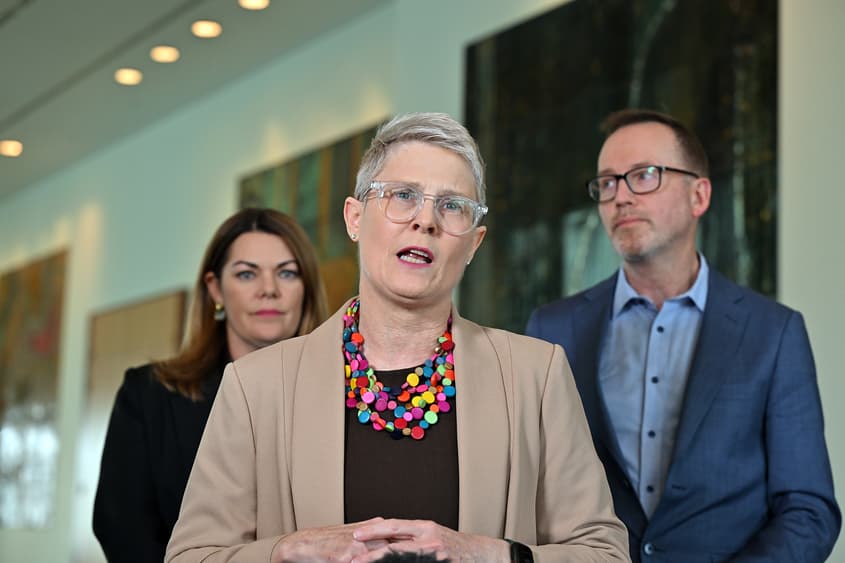
Independent MP Sophie Scamps has questioned Prime Minister Anthony Albanese about reports that he offered his Liberal–National Coalition rivals extra staff in exchange for their support for the Labor Government’s crackdown on freedom of information rights. To her credit, then Opposition Leader Sussan Ley turned him down on this offer.
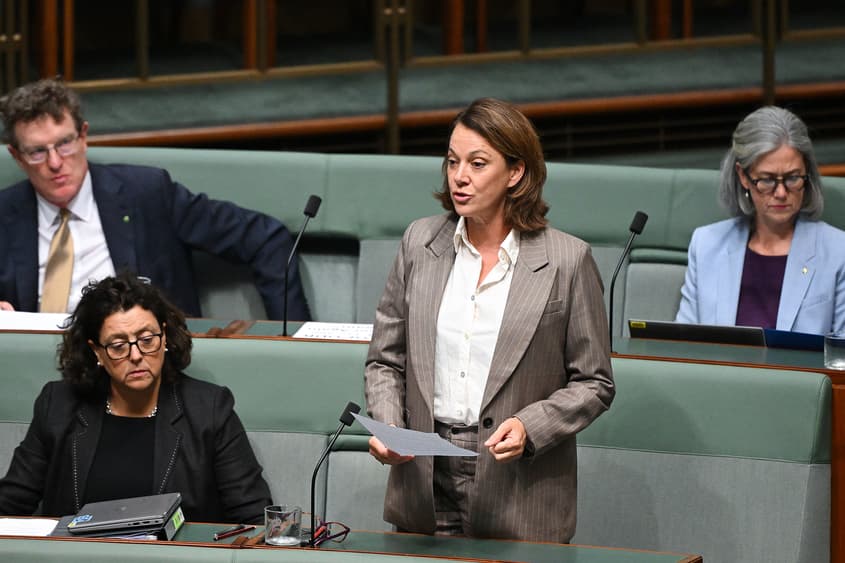
The stereotypes of democratic decline are rigged elections or daily street chaos. However, Australia’s democratic decline is happening much more quietly, with weakening whistleblower protections and the steady expansion of laws over several years that have made protest riskier than ever.