Thu 5 Feb 2026 22.31 AEDT
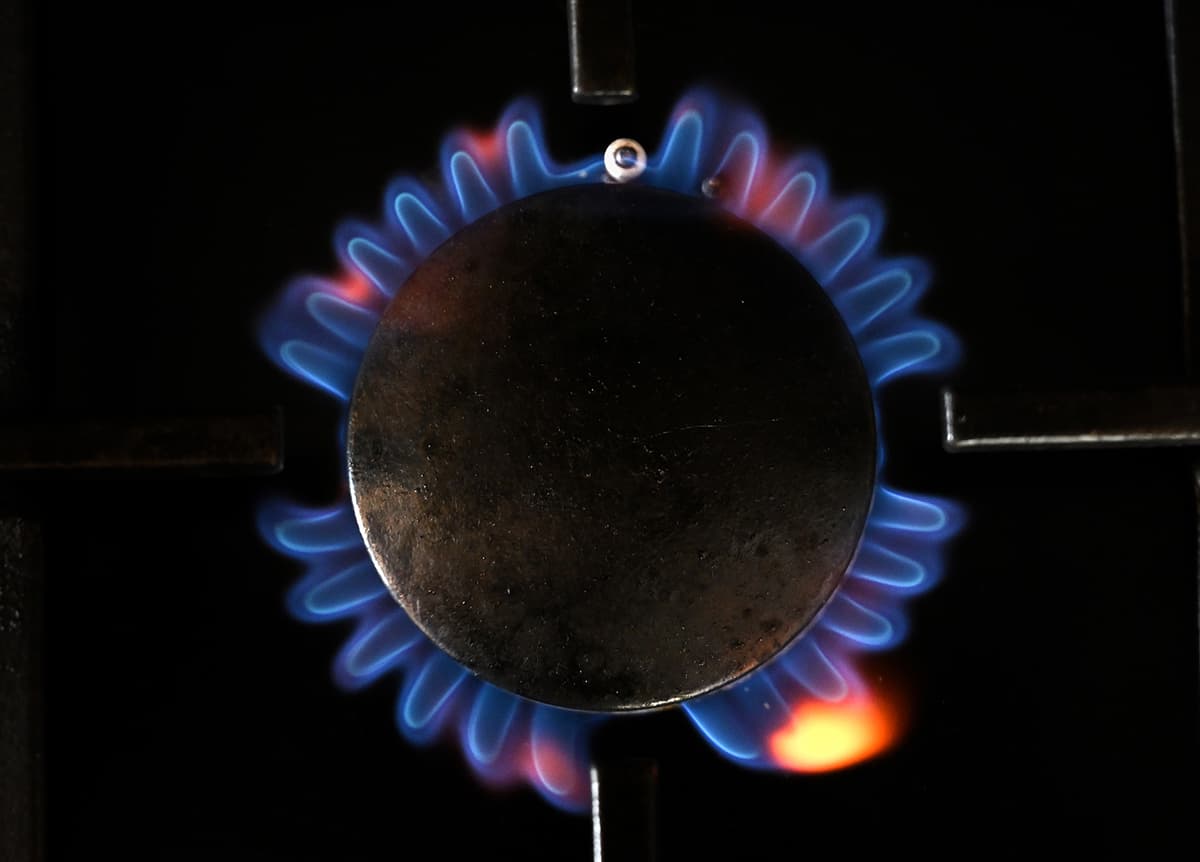
Photo: AAP Image/Darren England


In the rankings of least trusted professionals, advertising executives usually sit at the bottom along with politicians and real estate agents.
But there’s one area where the advertising industry can now justifiably hold itself above politicians – stopping greenwashing by the gas industry.
Following a crackdown on greenwashing from the Australian Competition and Consumer Commission (ACCC) the ad industry introduced a strengthened Environmental Claims Code.
This has prompted Ad Standards to step up significantly, upholding more public complaints against the gas industry than ever before.
The first of the 2025 was Gina Rinehart’s Hancock Mining, which advertised in the digital version of The Australian that it had “clean gas”. Not true.
Then there were claims in a LinkedIn advertisement by Australian Gas Infrastructure Group (AGIG) that gas cooktops had less emissions than electric stoves. Also not true.
Australian Gas Networks, which is part of AGIG, sponsored Masterchef as a vehicle to push the myth of “renewable gas”. They also ran TV ads insinuating that the ‘renewable gas’ used in the Masterchef kitchen could soon be available in normal Australian homes. Nope. Blending a tiny amount of biomethane or hydrogen into methane gas is technically possible but very expensive and almost certainly to never happen at scale. Thankfully the ad is gone and hopefully the Masterchef gas-washing sponsorship deal will follow.
Last November, we found that some Adelaide Metro buses, run by the South Australian Government, were emblazoned with the phrase “Natural Gas – Clean and Green”. This was a stunning claim from a Government that is leading the world in electrification.

Photo: Adelaide Metro bus displays ‘Natural Gas — Clean and Green’ message. (Supplied.)
The signs date back to the introduction of Compressed Natural Gas buses. The theory at the time was that they gave off less pollutants than diesel buses. To start, being less polluting is a long way off actually being clean. Not only that, the statement is simply bulldust. Gas gives off pollution at all stages of its life cycle and heats the atmosphere around 80% more than carbon dioxide over 20 years.
Thankfully the offending signs will now be removed, and the good folks of Adelaide will no longer be misled by their own government.
The ad industry system of self-regulation is far from perfect. For a start, offending advertisers aren’t penalised, they are just asked to remove or alter their ads.
But the mad men of advertising have acted on the fact our state and federal governments shamefully ignore – gas is not a climate solution.
In contrast, France has banned all advertising for fossil fuel energies. The ACT and City of Sydney have also restricted fossil fuel advertising, along with more than 50 around the world. Why? Because coal, oil and gas cause premature death, environmental destruction and their ads sole purpose is to hinder climate action.
To stop fossil fuels, we must stop fossil fuel ads. Politicians, here’s your chance to move up the trust rankings.
Belinda Noble is the founder of climate communications charity Comms Declare.

