This is the second piece of seven in an ongoing series examining the remarkable flaws of the Safeguard Mechanism, updating our previous analyses with new data, facts and figures as a review of the scheme kicks into gear.

Tue 3 Nov 2026 11.31 AEDT
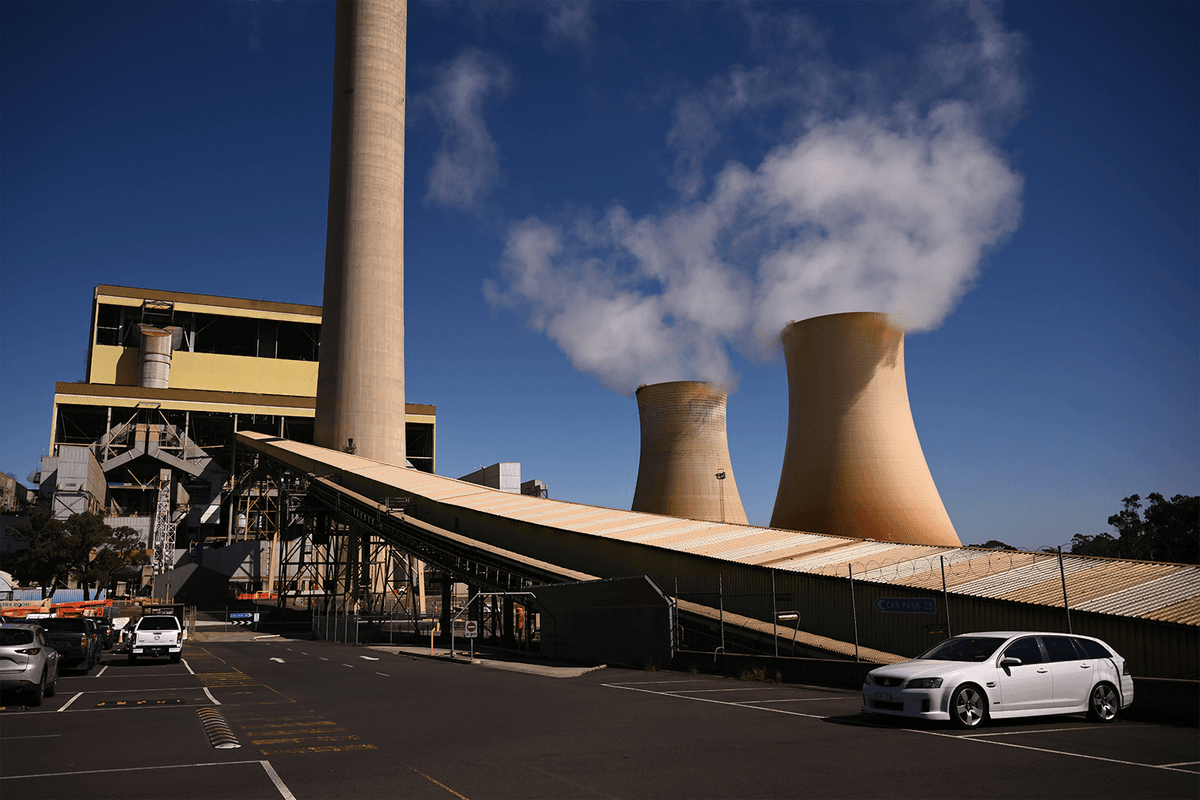
Photo: AAP Image/Joel Carrett


Several Australian government agencies have presented the Safeguard Mechanism as having been the primary driver of emissions reductions for facilities covered by the scheme. Even the consultation paper for this review states that:
Three years have passed since the reforms began and there are now 2 years of data on scheme performance. While businesses need time to adapt and respond to regulatory changes, short-term results suggest the reforms are working.
The Clean Energy Regulator (CER) stated in their April 2026 data release that:
The data shows the Safeguard Mechanism continues to progress well in line with expectations and policy settings.
These statements are based on the depiction of “net emissions” in government statements and documents, such as the CER’s ‘Safeguard Mechanism data insights’ report, where a casual viewer may get the impression emissions are plummeting in line with the scheme’s targets:
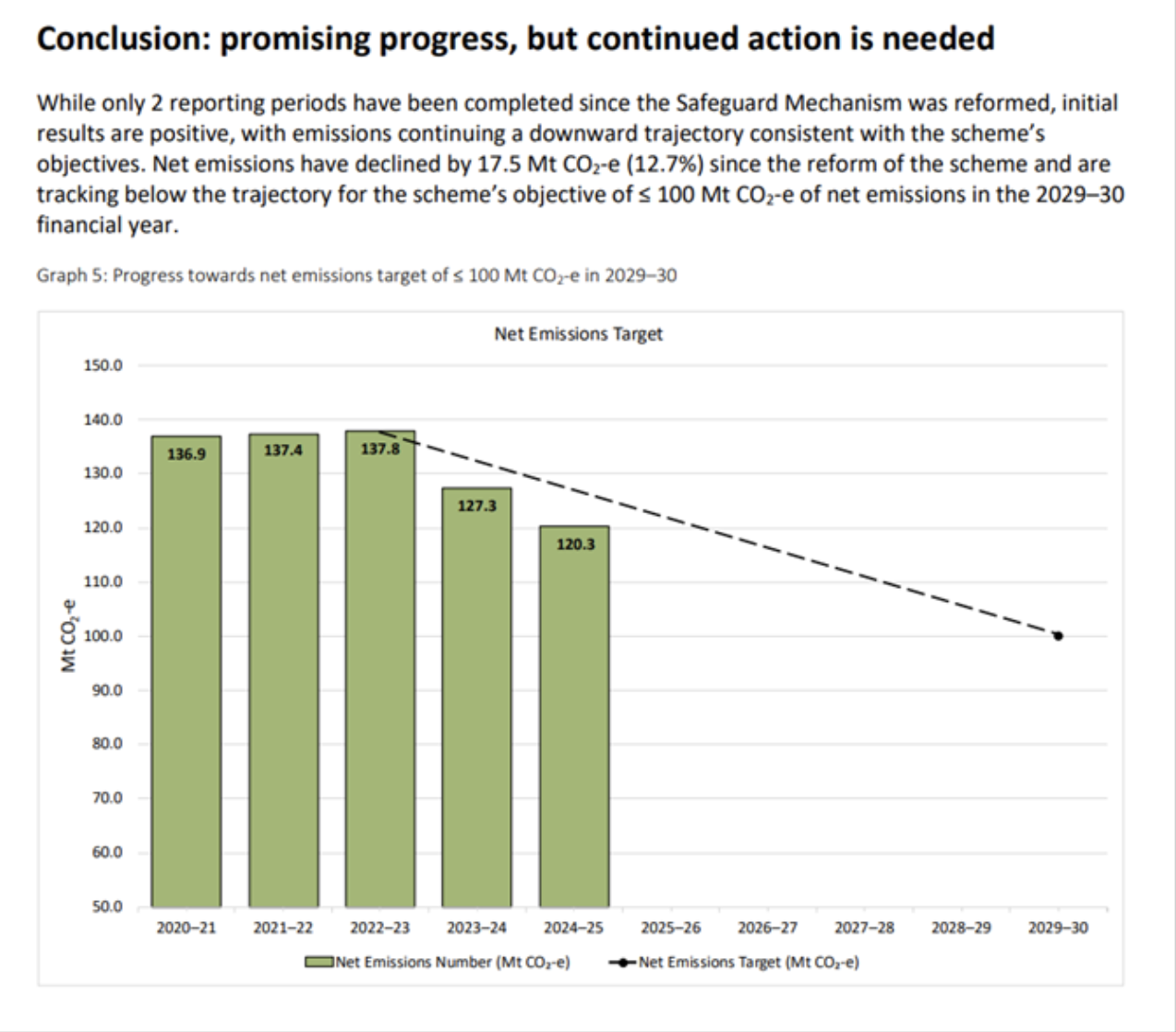
“Net emissions” depiction in government documents
It is shockingly misleading to describe this as “good early progress”, as the CER does. The ‘net’ figure above includes the use of carbon offsets by polluters to ‘achieve’ their targets. As depicted in the graph below, the actual emissions of SGM facilities have undergone close to no change in the two years for which we have data, while the ‘net’ figure is highlighted to overstate the drop through the inclusion of offsets:
Despite a drop in emissions being touted as a result of the scheme’s operation, one analysis found that much of that shift related to facilities exiting the scheme, including one incident relating to a major fire at a coal mine.
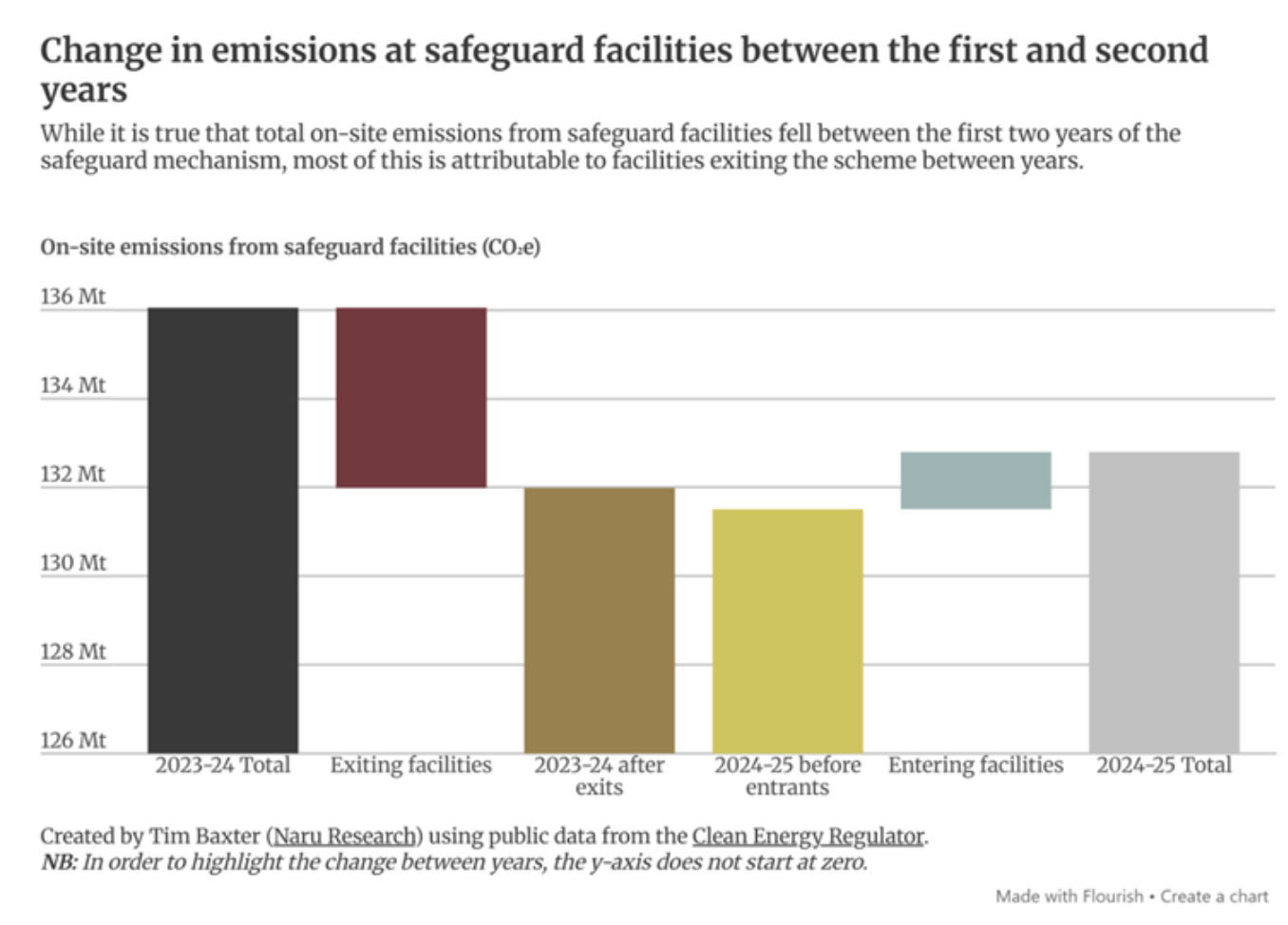
Change in emissions at safeguard facilities
Quality research, analysis, explainers and factchecks from experts you can trust.
The fact that the scheme’s emissions are slightly falling is not an indication that the scheme is working. As stated by Beyond Zero Emissions recently:
A scheme that records a win every time a facility goes dark is not measuring decarbonisation. It is measuring absence.
The DCCEEW does not engage with the fact that these emissions reductions are circumstantial rather than systematic in their Safeguard Mechanism consultation paper, rather suggesting that a slow rate of emissions falling is because “many emissions reduction projects involve large capital investments, which may take several years to plan and implement”.
The Safeguard Mechanism’s objectives require that gross emissions fall over time on a 5-year rolling average basis; something which allows for extremely small and circumstantial changes to be presented as a measure of ‘success’ for the SGM. As DCCEEW correctly point out in their consultation paper, this objective will be met, but if anything, all that does is show how meaningless the objective is relative to what real climate action would look like.
A shocking example of the scheme’s effect of discouraging immediate emissions reductions actions is the case of BHP deciding to shelve plans to electrify trucks, on the grounds that it is cheaper to meet targets using carbon offsets.
Ultimately, this failure to reduce emissions has had macro-level impacts on Australia’s climate aspirations. Previous analysis shows that Australia’s greenhouse gas emissions have generally ended each year higher than previous projections; however, the mining sector has been consistently showing higher emissions than projections, including for the first year of the operation of the Safeguard Mechanism. This is likely to continue.
Sources: DCCEEW Annual projections report (economic sector sub-category), 2019 to 2025, compiled by author
This is a major contributor to the trend reflected in the most recent data released by the Australian government: Australia is not on track to reduce its emissions in line with its 2030 targets.
After two years of available data, we can see that the existing structure of the Safeguard Mechanism is a failure. We contend the primary cause of this failure is the unchecked overreliance on various types of carbon offsetting within the scheme.
Ketan Joshi is a climate analyst and writer.

