Prime Minister Anthony Albanese and his government lack the credibility to lead international climate negotiations at next week’s COP31 summit in Türkiye, according to academics.
By Tegan George
Tue 3 Nov 2026 09.40 AEDT
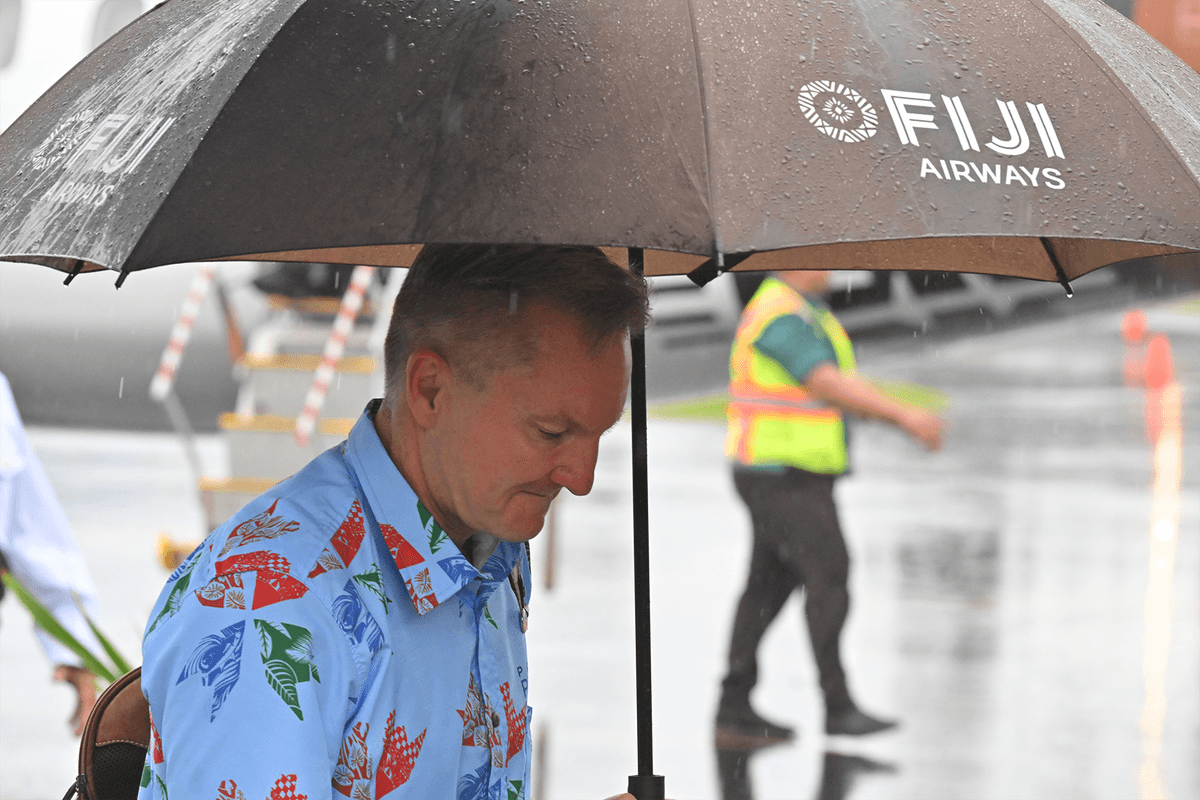
Photo: AAP Image/POOL/Mick Tsikas


Prime Minister Anthony Albanese and his government lack the credibility to lead international climate negotiations at next week’s COP31 summit in Türkiye, according to academics.
More than 500 experts from Australian universities and research institutes have urged the Prime Minister to end approvals for new or expanded coal, oil and gas projects, arguing Australia cannot demand climate action from other countries while continuing to green-light fossil fuel projects at home.
“Australia has the knowledge, the wealth, the renewable resources and this year, the diplomatic platform to lead,” said the open letter, sent to Prime Minister Albanese on Monday morning.
“What is required now is your courage. If not now, while leading negotiations and standing before our Pacific family, then when?
“We ask you to be brave, to be bold, and to act with the urgency that the evidence demands.”
Since coming to power in 2022, the Albanese government has approved 38 new, expanded or extended coal, oil and gas developments, according to the Climate Council.
One of the most recent projects to be given the go-ahead was an extension of open-cut operations at the Saraji coal mine in Central Queensland’s Bowen Basin, approved in September while the PM was meeting Pacific leaders in Palau.
“In meetings in the Pacific you heard that Pacific Island nations, our closest neighbours and family, continue to face the slow loss of their Lands, Oceans, Waters, and ways of life, and you pledged to represent their interests internationally,” the academics wrote.
“Over the same period, Australia has continued to advance new and expanded fossil fuel projects and has no plan to phase out production.”
The letter argues that Australia’s credibility as President of Negotiations “rests on consistency between what it asks of others and what it does itself”.
Quality research, analysis, explainers and factchecks from experts you can trust.
Minister for Climate Change and Energy Chris Bowen has been appointed President of Negotiations, responsible for strengthening common ground between countries and ensuring Pacific priorities are heard.
But academics argue that championing climate finance for Pacific nations while approving decades of new coal and gas “invites the charge of hypocrisy”.
“Your failure to act is driving instability in our region and puts the lives of our neighbours and everyday Australians at risk,” their letter stated.
Beyond ending new fossil fuel approvals, the academics have called on the PM to legislate a binding timetable to phase out fossil fuel production, while ensuring workers and communities are supported through the transition.
They also want the Prime Minister to use Australia’s leadership role at COP31 to push for strong international climate action.
The academics said their appeal represented their collective expertise and conscience, drawing on expert knowledge across climate science, energy, economics, the environment and politics.
In September, Tuvalu’s climate minister said Australia could not be a good Pacific neighbour while expanding the fossil fuel industry.
Speaking at the fourth annual Climate Integrity Summit, Dr Maina Vakafua Talia said Australia’s climate policies did not match its claims of supporting and protecting its neighbours.
“Tuvalu values Australia deeply as a member of the Pacific family, and as an important development partner and security partner, but true partnership must also allow for honest conversations,” Dr Talia said.
“There is a fundamental question of policy coherence.”

