Over the past 10 years, the number of new homes has been growing faster than the population. Read that sentence again if you need to, but doing so won’t change the facts.

Wed 11 Mar 2026 01.00
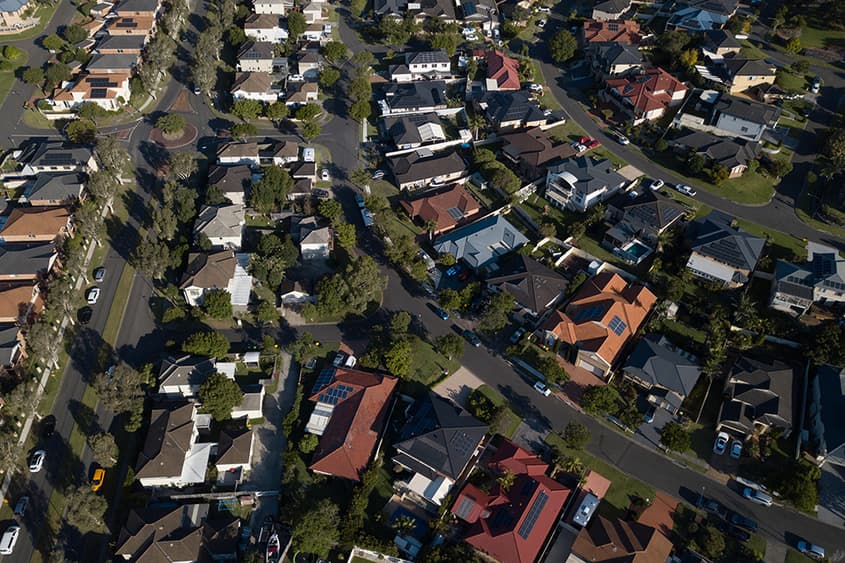
Photo: AAP Image/Dean Lewins


Over the past 10 years, the number of new homes has been growing faster than the population. Read that sentence again if you need to, but doing so won’t change the facts.
Going back even further shows the same results. Comparing the 2001 census to the most recent census in 2021, the population increased by 34%, but the number of dwellings increased faster, by 39%.
According to the Australian Bureau of Statistics, Australia doesn’t have a problem with building enough homes, but according to anyone looking for a home to live in, houses are not just hard to find but even harder to afford.
So, what gives?
Over the past 25 years the problem hasn’t been the supply of homes. It’s been the supply of homes for people who want to own and live in them.
So, if the number of homes is growing faster than the population, where have all the spare homes gone?
While young families looking to buy a house are struggling to pay off HECS debts, save up a deposit, and find a house within 50km of their workplace with room for the kids they want to have, the internet is full of advice on how easy it is to buy your second, third or 20th investment property. And every time a property investor buys an existing house to rent out, they just reduced the supply of housing for the young family looking for a place to make their own.
Most of the people droning on about how red tape and regulation have made it impossible to build houses these days know less about economics than they do about how hard it is for young first home buyers. Again, we know that the number of homes is growing faster than the population, so we know the people talking about red tape are talking BS.
Here’s what’s going on. Imagine an auction where there are just 2 people bidding, a young couple looking for a place to raise a family and a property investor looking for some negative gearing and capital gains tax concessions. Only one of them can win the auction, and even if the investor misses out, the more they were willing to bid, the more the young couple had to pay.
Negative gearing simply means that if the investor pays more in interest on the mortgage and other expenses than they receive in rent for the property, they can then deduct the difference from their income tax bill.
For high income earners who pay a marginal tax rate of 47%, that means other taxpayers are picking up nearly half the tab for their rental losses. But to be clear, losing money on a property is still a bad idea, unless you are expecting the property to go up in value.
And that’s where capital gains come in. If an investor was losing $10,000 per year on their investment property but the house value was going up by $30,000 per year, then the investor would still be in front. They would have to wait to sell the property to get their hands on the cash from the capital gain, but if you are rich enough to lose $10,000 per year on an investment, you are probably rich enough to wait 5 or 10 years to cash in your capital gain.
And that’s the moment where Australia’s 50% capital gains tax discount kicks in.
In Australia rather than make investors pay ordinary amounts of tax on their capital gain, we literally give them a 50% discount meaning that someone who works all year to earn $100,000 pays at least twice as much tax as someone who was rich enough to wait while the price of a house they bought went up.
So, back to supply and how to boost it in a big hurry.
Just as we can separate demand for housing into two categories: demand from property investors and demand from first home buyers, we can do the same with supply.
One source of supply of housing for owner-occupiers is the construction of new houses. This is the source that most commentators seem to talk about, but it’s relatively small.
The other source of supply of housing for owner-occupiers is the giant pool of houses owned by the property investors who are so convinced that house prices will keep rising that they are willing to lose money each year that they hold onto one. And this pool of housing is BIG, with around 3 million homes in Australia currently being held by property speculators waiting for their lightly taxed capital gain.
The reason that cutting the CGT discount will lead to a big increase in supply of homes for owner occupiers is not that it will make builders build faster, but because it will make hundreds of thousands of property speculators decide they don’t want to hang on to so many houses.
When people who own investment properties sell those houses, the houses don’t vanish, they increase the supply of homes for owner-occupiers.
And when the tax concessions for capital gains aren’t so generous, there will be fewer property speculators showing up at auctions, and they won’t be so willing to bid as high as they currently do, leading to a reduction in demand.
Combined, changes to the way we tax capital gains on investment properties won’t make houses vanish, or suddenly appear, but it will encourage one group of property owners to supply a lot more houses to another group of aspiring homeowners, and the end result will be cheaper homes, a fairer society and more tax revenues for the commonwealth government.
It’s a win, win, win, but not for the wealthiest one percent of Australians who currently get 60% of the benefits of the CGT discount.
Richard Denniss is the co-chief executive of the Australia Institute.
Advertisement

In recent weeks, economists have argued that a certain level unemployment is a necessary condition for the economy to function. They have argued that the Reserve Bank of Australia may need to raise interest rates higher, to increase unemployment, which is currently too low, in order to bring inflation under control.


Economists are warning the Albanese Government must act immediately to end “Australia’s enormous gas giveaway” as households begin to see – and feel – the economic fallout of war in the Middle East.
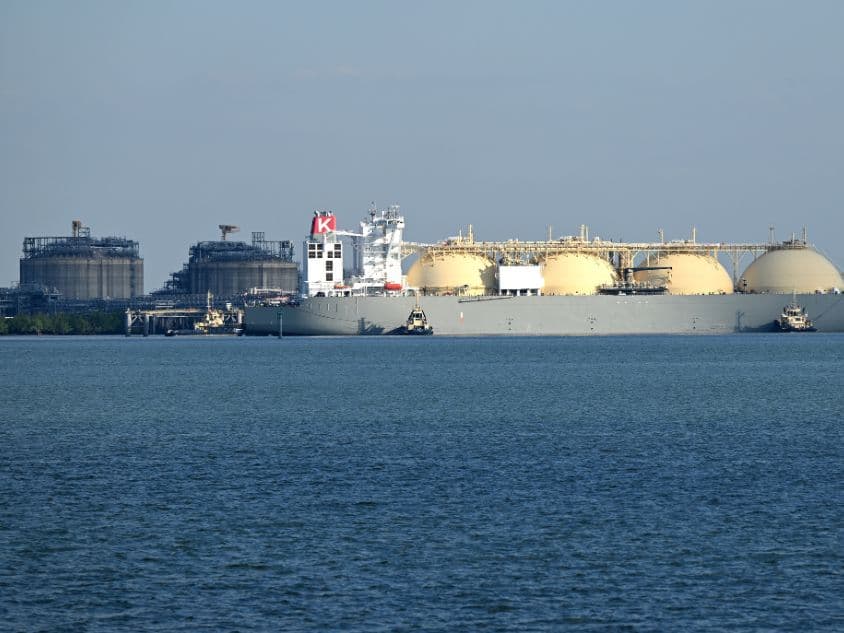
Australia is sitting on a brutal contradiction. We say we want a strong economy, lower emissions, secure jobs and a future for our children. Yet we continue to export enormous volumes of gas, collect too little public value from it, and then argue about whether we can afford to rebuild our manufacturing base, modernise training, or bring down industrial power prices.