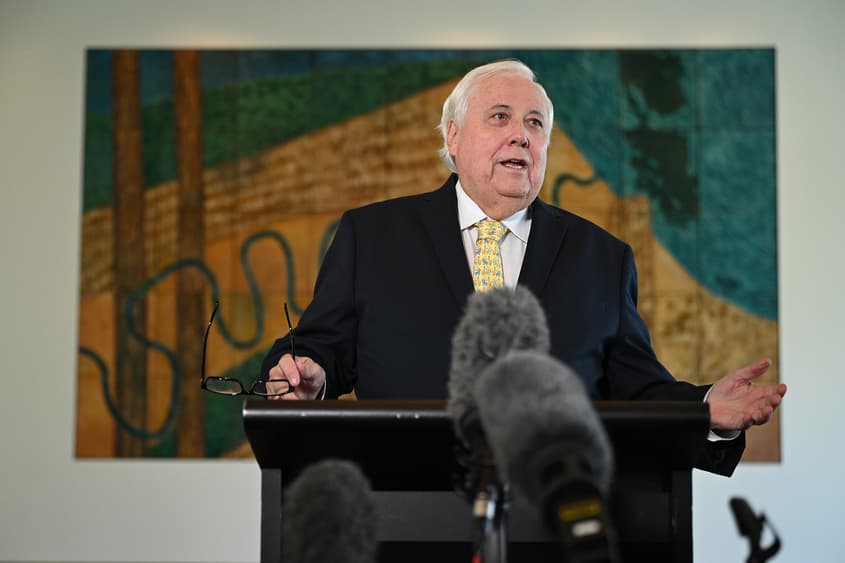
By simply diverting uncontracted gas to the domestic market before it is exported, and putting a 25% tax on the contracted export gas to bring some much needed revenue back to Australians, it would also reveal something the gas industry rarely acknowledges: Australia does not have a gas shortage problem. It has a gas export problem.
Wed 11 Mar 2026 01.00

Photo: AAP Image/Darren England


As conflict escalates between Israel, the United States and Iran, global gas markets are reacting in a predictable way: prices are rising.
No one knows how far the conflict will spread or how long it will last. But history suggests one thing is likely. When geopolitical conflict disrupts global fossil fuel markets, gas prices surge.
For Australians, that usually means higher energy bills.
But Australia is not a gas-poor country exposed to global shortages. It is one of the world’s largest exporters of LNG.
The problem is not supply. The problem is that Australian gas is being sold into volatile global markets while Australians are left to pay the price.
Analysis from the Australia Institute shows that LNG exporters ship far more gas overseas than Australians uses domestically. In fact, the gas exported from the east coast in recent years could supply the entire domestic market for decades at current consumption levels.
Yet Australians are repeatedly told there is a looming gas shortage.
The reality is that Australia allows gas companies to export enormous volumes while also selling excess “uncontracted” gas into the international spot market, where it goes to whoever pays the highest price.
As outlined in the Australia Institute’s 3-Point plan for gas report, one of the simplest ways to help reduce energy prices is to divert uncontracted gas away from volatile export spot markets and towards Australian users. Currently, the opposite happens.
Instead of supplying Australians first, exporters are often allowed to use excess uncontracted gas to help fulfil export cargoes or sell it on the global spot market.
As explained in this analysis, the Government is effectively letting big gas export uncontracted gas rather than supplying Australians, even when domestic shortages are forecast.
According to reporting in the Australian Financial Review, gas companies have already begun locking in new LNG sales at more than double recent market rates, allowing companies to capture huge windfall profits from the global supply disruption.
When global prices spike, companies sell more of that uncontracted gas overseas and make eyewatering profits.
Domestic supply tightens. Prices rise. The demands for more gas approvals are repeated by fossil fuel corporations.
Australians end up competing with international buyers for gas extracted in their own country.
We have seen this before, and unless the Government takes some action, we will continue to see it
After Russia invaded Ukraine in 2022, global LNG prices skyrocketed. In the following year, revenue from Australia’s LNG exports doubled from about $45 billion to roughly $90 billion.
That meant around $45 billion in windfall revenue for LNG exporters in a single year –mostly tax free
Meanwhile, domestic gas and electricity prices surged.
If the current Middle East conflict drives another spike in LNG prices, the same dynamic could unfold again. Fossil fuel companies would sell more uncontracted gas into the global spot market, export revenues would surge, and Australians would face higher energy bills.
Australia has a choice about how it responds.
One option is to do nothing and watch multinational gas companies collect billions in windfall profits while Australian households pay more for electricity and gas.
The other option is simple: divert uncontracted gas to the domestic market before it is exported, and put a 25% tax on the contracted export gas to bring some much needed revenue back to Australians – current estimates are $17 billion a year to national coffers.
That policy would increase local supply, weaken the link between global spot prices and Australian energy bills, help stabilise prices for households and industry, and demonstrate we do not need any more gas project approvals.
It would also reveal something the gas industry rarely acknowledges: Australia does not have a gas shortage problem. It has a gas export problem.
Advertisement

Australia is sitting on a brutal contradiction. We say we want a strong economy, lower emissions, secure jobs and a future for our children. Yet we continue to export enormous volumes of gas, collect too little public value from it, and then argue about whether we can afford to rebuild our manufacturing base, modernise training, or bring down industrial power prices.
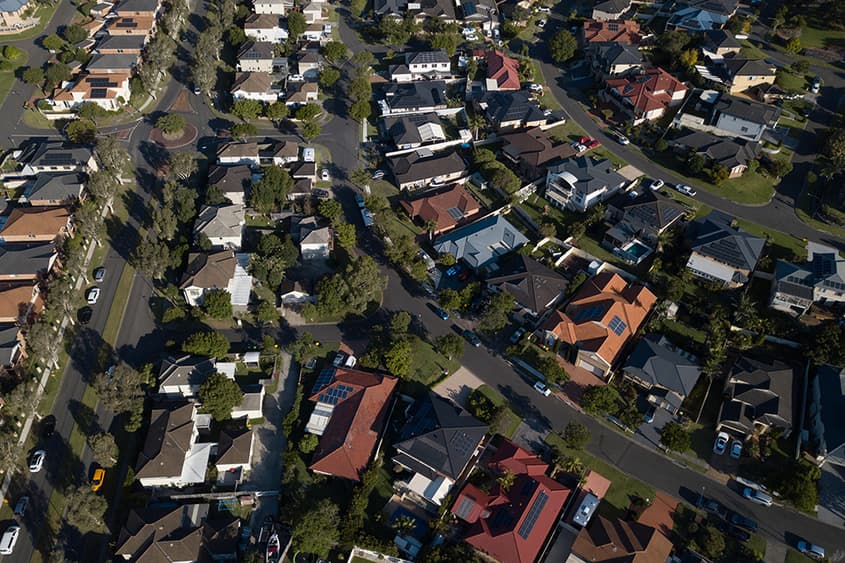
The Bureau of Statistics has released the latest figures on Dwelling Prices. As was expected, the last three months of 2025 saw a pretty sizeable jump in house and apartment prices off the back of the government’s 5% deposit guarantee.
Clive Palmer and his United Australia Party have joined a growing chorus of voices calling for a 25% tax on Australian gas exports, saying “We need Australian gas for Australians, not sent offshore to benefit other countries.”