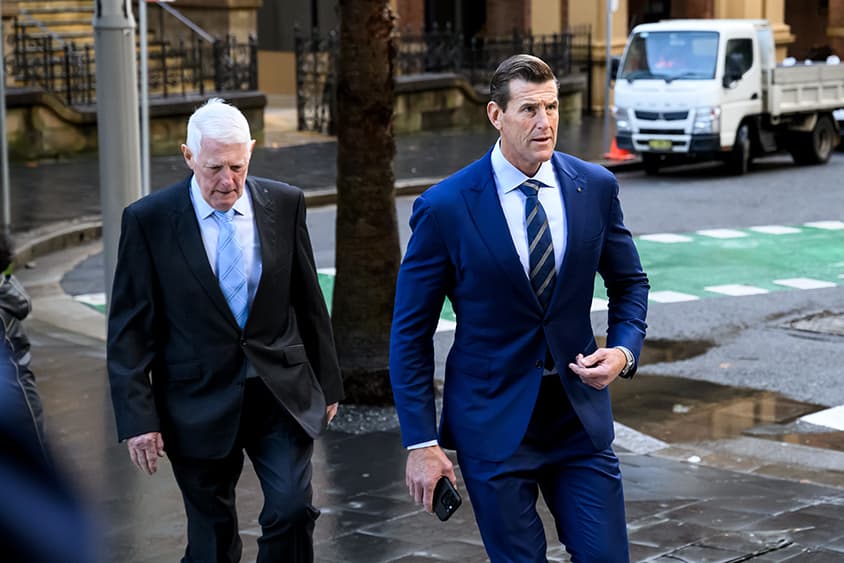
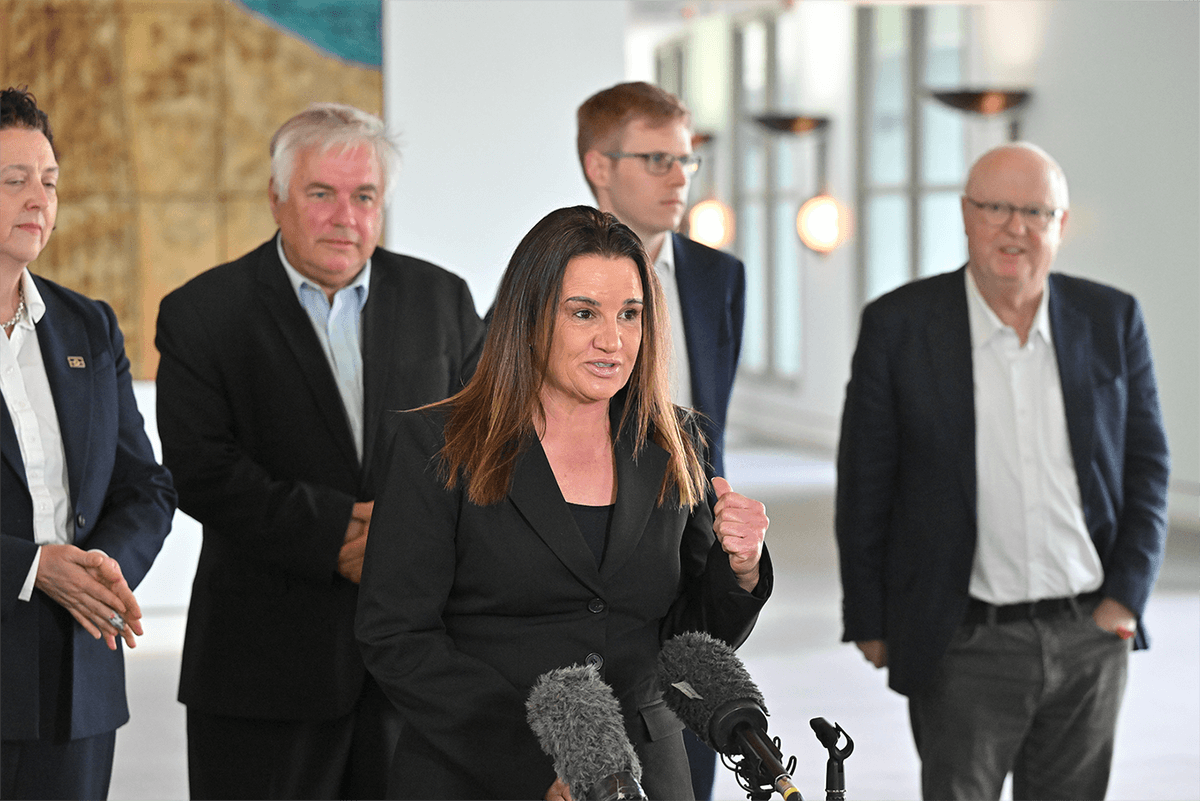
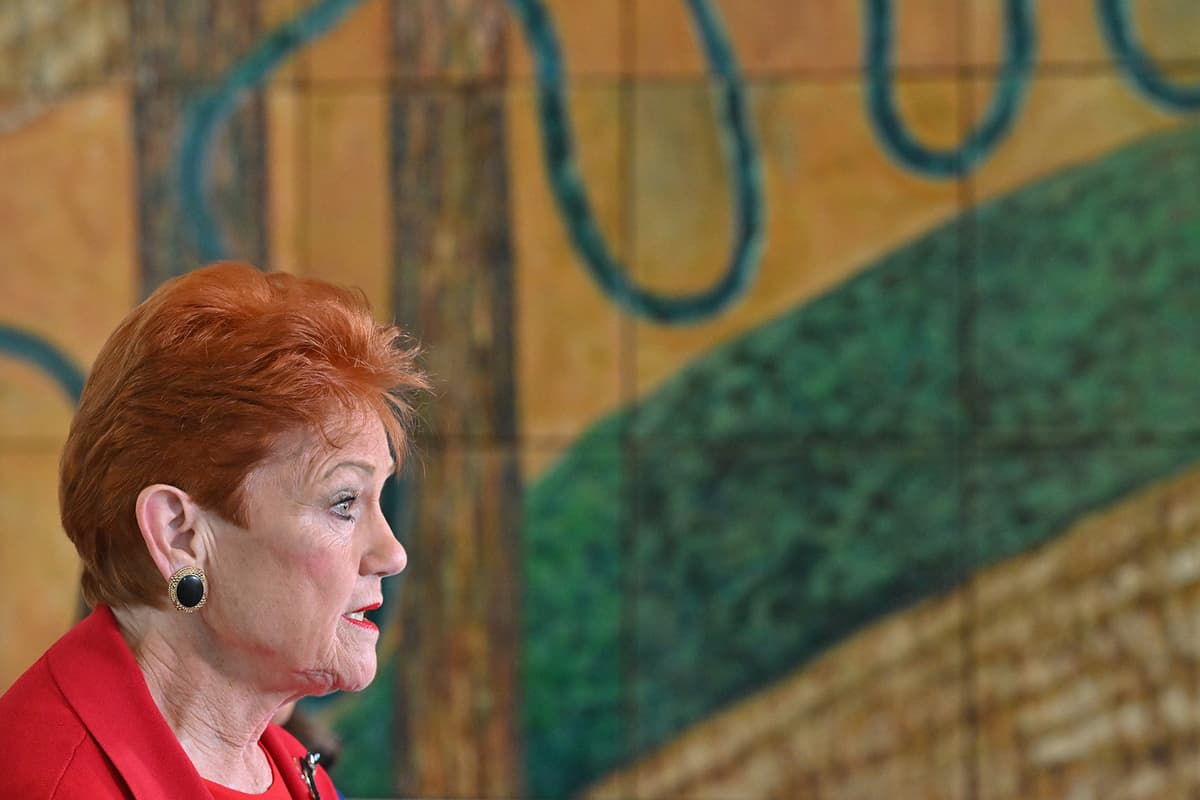
Since Ben Roberts-Smith, Victoria Cross recipient and alleged war criminal, was arrested last week, a vocal minority have rallied behind him. Some of his loudest supporters — including Pauline Hanson, Tony Abbott, and billionaires Gina Rinehart and Kerry Stokes — whilst never having served a day in their lives, portray Roberts-Smith as a victim. They ignore that his $13.5 million defamation case ended with findings that he is an abusive, untrustworthy bully, and likely a war criminal.
As an army veteran of 20 years with multiple deployments to the Middle East, including two to Afghanistan, I know most in the defence community who served there want justice and accountability for alleged war crimes. They care deeply about the reputation of the Australian Defence Force (ADF) and the Afghan people we worked alongside and for.
I know this because, like many who have served, I was deeply shaken by the Brereton Report in November 2020. The war crimes detailed across its 530 pages—including the alleged murder of 39 Afghans by Australian Special Forces soldiers—were far worse than anyone expected.
Most service personnel who risked their lives and health and spent long periods away from their families did so to support the Afghan peoples’ pursuit of political and social freedom from the oppressive Taliban. It is distressing to realise that while most of us served with integrity, courage, and skill within legal frameworks, others were wilfully undermining that work—terrorising local Afghans and destroying the very “hearts and minds” we were trying to win.
The Brereton Report made clear that none of the alleged crimes occurred in the heat of battle. It details deliberate, unlawful violence against unarmed people, many of them civilians. These actions took place within a Special Forces culture that normalised and often celebrated the concealment of illegal conduct. There is no excuse for this.
As Australian Defence Force personnel, we receive comprehensive training in the Laws of Armed Conflict and the Geneva Conventions. We are trained to understand how Australia upholds international humanitarian law. Before deployment, personnel receive detailed legal briefings tailored to the conflict. In theatre, the rules of engagement are reinforced. We are issued cards that we must carry and that explain these rules in plain language. Military lawyers are embedded at headquarters to provide advice. There is no ambiguity – we represent Australian values, laws and ethics on the battlefield, and Special Forces are trained even more rigorously than most.
To clarify, tragic “collateral damage” can happen during war. However, the acts outlined in the Brereton Report are not such incidents, and those interviewed in the report were aware of this context. The behaviour is alleged cold-blooded, brutal cruelty, and killings.
The true heroes are the soldiers who stood up for Australia’s real values and testified against war crimes. Those who dismiss this brave group have not engaged with the report’s findings or the culture it reveals. I am proud that the ADF is acting to root out illegal behaviour and ensure the moral integrity of our armed services. Those who wish to turn a blind eye are undermining Australian values.
This ANZAC Day, I will remember those who served with honour and spoke out about war crimes, and the families of Afghans who were murdered and deserve justice.
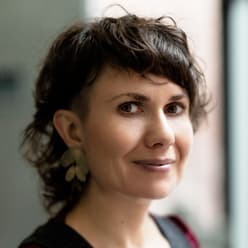
Kat Rae served as an officer in the Australian Regular Army between 2000 and 2020. She deployed to the Middle East on three operations, twice to Afghanistan. She retired as a Lieutenant Colonel to pursue a career in the arts.
In 2024 she won the Australian War Memorial Napier Waller Art Prize for her work Deathmin, which was subsequently featured in the ABC documentary series When the War is Over (2025).
Her work, Reckoning, will be displayed in the new Australian War Memorial Afghanistan War gallery later this year. The piece centres the 39 Afghans allegedly murdered — the real victims largely absent from public debate.