Before the 20th century and in the early 1900s, most products were made from natural materials like metal, wood, and stone, as well as animal products such as bones, horns, and elephant tusks (ivory). The ivory trade was a substantial sector that resulted in depleting the elephant population in Africa from 26 million in the 1800s to less than one million today. The first form of synthetic material that would become plastic as we know it, was invented in 1869 as a substitute for ivory.
Plastic was considered a revolutionary invention that freed manufacturing from scarcity and met economic and social needs. It broke limits associated with using natural materials and, at the same time, protected animals, and the environment from the destructive forces of human needs or wants. The irony is that today, plastics represent a severe threat to planetary, human and animal health across their entire life cycle. And it’s one of the most pervasive pollutants on earth.
Plastic’s impact on the environment and wildlife
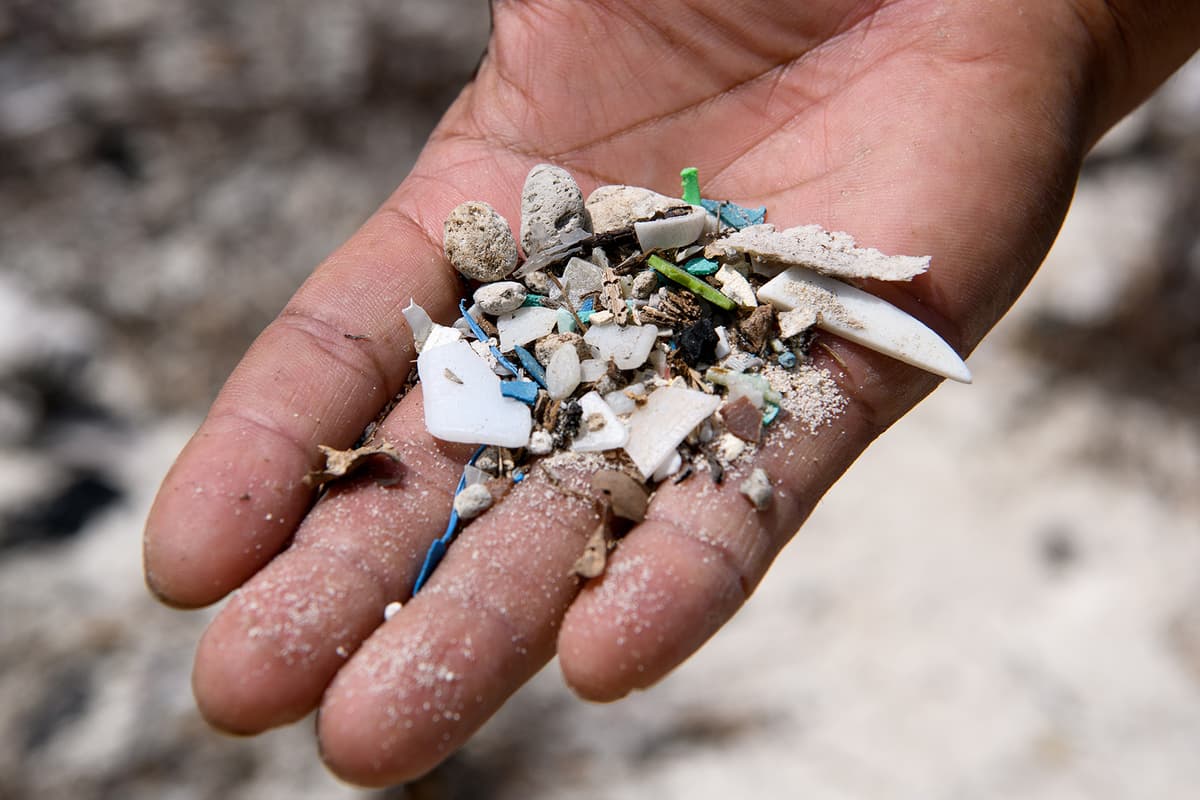
The world produces about 460 million tons of plastic annually, and only around 9% of all plastic waste is recycled. It’s been estimated that by 2050, the amount of plastic in our oceans will outweigh fish. It only takes a moment for plastic to enter the environment, but the impacts can last for centuries. 100,000 marine mammals die every year from plastic ingestion or entanglement. It’s estimated that 99% of sea birds will have ingested plastic by 2050, which typically leads to slow and painful deaths.
Australia is one of the biggest consumers of single-use plastic per person in the world. Within the past decade, the country’s plastic consumption has increased from 123kg of plastic consumed per person in 2010 to 147kg in 2021. Only 14% of it is recycled. The rest ends up in landfill, leaches into our waterways, and breaks up into microplastics now found in our food, our water, and our bodies. Overall, the country uses 3.4 million tonnes of plastics a year. Around 145,000 tonnes of plastic pollutes the environment annually, which also endangers wildlife.
Plastic’s impact on human health
The impact and toxicity of microplastics on human health has also been documented, with some studies suggesting microplastics exposure could be linked to reproductive problems, cancer, heart attacks, and a host of health problems. Synthetic textiles such as polyester are treated with per- and polyfluoroalkyl substances (PFAS), making them one of the biggest sources of PFAS pollution. PFAS have been linked to an increased cancer risk and interference with the body’s immune and reproductive systems based on data from the US Environmental Protection Agency. In April 2026, the Texas Attorney General launched an investigation into Lululemon for allegedly including PFAS in their activewear, violating the state’s laws.
Fixing the Crisis: what would it take?
The Conversation says fixing the global plastic crisis requires an estimated $18.3 trillion to $158.4 trillion over the next two decades to transition away from plastic and overhaul waste management. However, doing nothing will cost significantly more—up to $281.8 trillion in environmental, economic, and human health damages.
According to Greenpeace, the Coca-Cola Company is the world’s largest plastic polluter. The company’s net worth is almost $350 billion USD. With such financial capacity, the company could contribute significantly towards fixing plastic pollution and operating within an EPR scheme.
Community actions to reduce plastic pollution
Plastic Free July is a global community and movement that teaches and encourages millions of people to reduce plastic waste in simple ways through daily choices that help enable the elimination of plastic pollution. The movement encourages participants to refuse single-use plastic and form new habits using less or non-plastic alternatives. It has 170 million participants in 190 countries and runs throughout the month of July every year.
Extended Producer Responsibility (EPR) and other policy solutions
On July 1st 2026, Federal Member for Mackellar, Dr Sophie Scamps MP and Federal Member for Curtin, Kate Cheney MP, launched a plastics policy paper, A National Plan to Reduce Plastic Use and Pollution in Australia. The campaign demands three main policies:
- Mandatory Extended Producer Responsibility (EPR) that’s nationally harmonised, with mandatory enforceable waste reduction, recycling and reuse targets and a national, producer-funded soft plastics collection and recycling scheme
- Phasing out harmful industrial chemicals in plastics
- Investment into research, innovation and infrastructure.
Dr Sophie Scamps launched the campaign in a plastic pollution expo with plastic experts that offered various solutions, saying “Plastic waste is not just an environmental issue; it is a health problem as well, as harmful chemicals and microplastics infiltrate our bodies.”
Nina Gbor from The Australia Institute said “Because plastic is a toxic substance poisoning human bodies and the planet due to excessive use and extensive global pollution, we must now replace plastics with non-toxic, compostable alternatives that are systemically reused, ending the single-use culture where possible. Australia can be a global leader in this shift.”
Filmmaker and Sutherland Shire Councillor, Kal Glanznig said “… Australians have such a strong connection to the ocean, and the opportunities ahead to tackle Australia’s plastics problem is something that everyone should get around.”
In July 2026, Kal Glanznig released a new film documentary, The Plastic Country, which reveals the true scale of the plastic crisis across Australia. The film encourages action to stop packaging waste & plastic pollution through policy.
Nina Gbor is the Director of the Circular Economy & Waste program at the Australia Institute