This month, we witnessed the spectacular collapse of two offshore gas companies, and now their rusting rig off the coast of Dongara in WA is everyone’s problem
None of this is a surprise. Cliff Head stopped producing oil in 2024. Rather than fund the unglamorous, expensive work of decommissioning, Pilot and Triangle pitched something far more exciting to investors and government alike: the “Mid-West Clean Energy Project”, a plan to convert the spent field into a site for burying carbon pollution under the seabed.
The federal government backed the fantasy with a $6.5 million grant, most of it already paid out. Pilot even agreed to buy out Triangle’s stake so it alone would hold the future carbon storage prize, and with it, the entirety of the decommissioning liability neither company wanted to carry.
Now that Pilot has folded, the industry is confronting a very old, very familiar problem. This is the Northern Endeavour all over again, the 2020 collapse that left taxpayers holding an ageing oil vessel nobody would pay to clean up and remove. That episode led the then Coalition government to impose an emergency levy on the whole offshore industry, which raised $1.16 billion in its first three years.
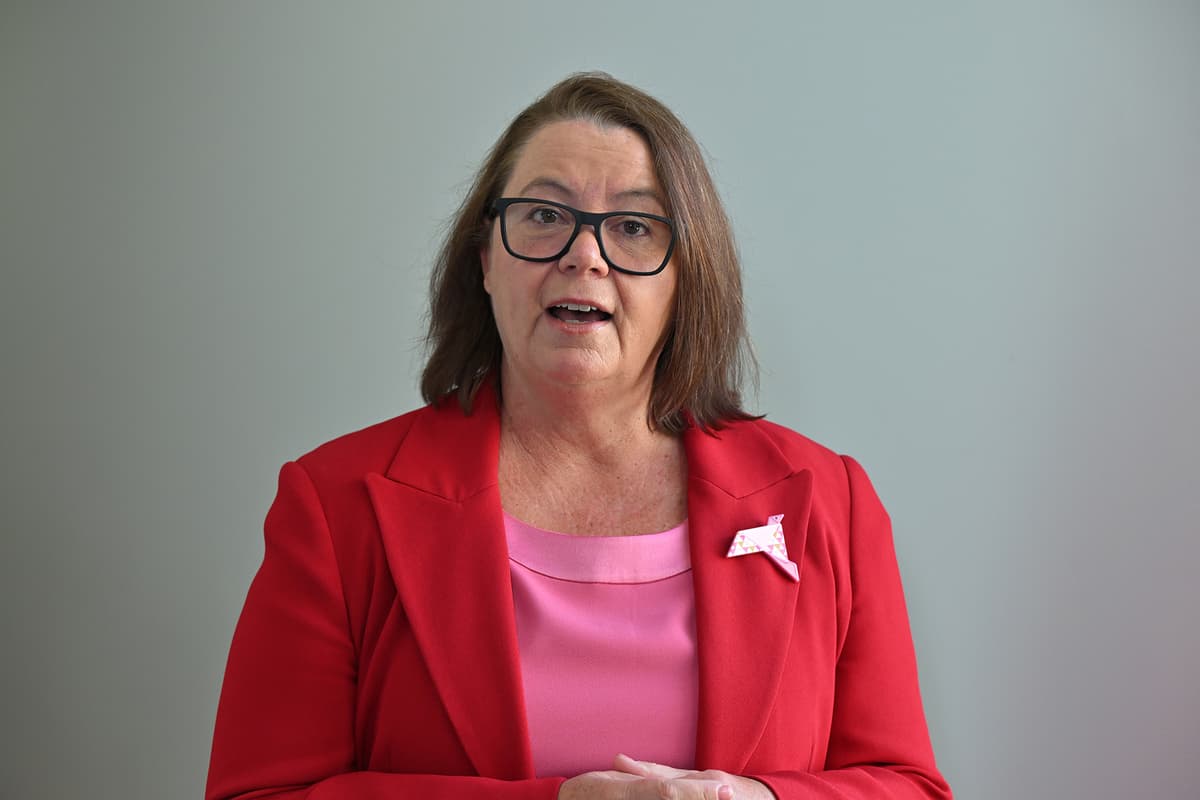
Labor has signalled it may reach for the same tool again, with Resources Minister Madeleine King’s office confirming that decommissioning “must always remain the responsibility of industry” and that taxpayers will not be left to foot the bill.
That sounds like the right instinct. But an emergency levy that only gets reached for after a company has already collapsed is not a policy; it is a mop-up option. As the Wilderness Society has pointed out, this is a live test of laws meant to stop this exact scenario repeating, and those laws have failed the test. Neither Pilot nor Triangle recognised any decommissioning liability on their books.
A government report last year put the industry-wide bill for removing offshore infrastructure at $44 billion by 2070, and Australia is still waiting on financial assurance reforms that would force companies to set aside real money before walking away from a project.
Again, it was not a surprise. The Conservation Council of WA says it flagged the risk publicly back in January, warning that Pilot was unlikely to be able to progress its carbon dumping plans, let alone meet its decommissioning obligations. As executive director Matt Roberts put it, if a conservation council could see the risk, someone in government should be asking what reassurances were given that Pilot could meet its commitments, and to whom, given taxpayers had already funded the exploratory phase of the project to the tune of $6.5 million.
Even the industry’s own lobby group concedes the government has known about the risk for some time and that progress on financial assurance has been far too slow. When a conservation council and the oil and gas lobby are making the same argument, it is not a partisan complaint. It is a design flaw.
Cliff Head is a small field, but the story behind it is a big one. It shows exactly how the fossil fuel industry is trying to use carbon capture and storage as an escape hatch rather than an engineering solution. CCS lets a company holding an ageing, unprofitable, liability-laden asset rebrand it as future climate infrastructure, attract public funding, and delay the reckoning with decommissioning, hoping a buyer or a grant saves it before the bill comes due. It rarely works.
The Australia Institute has tracked this pattern for two decades: more than a billion dollars in Australian public money poured into CCS with no large-scale operating project to show for it, and even the projects that do exist barely register against the emissions they were built to capture.
That is exactly the trap Cliff Head fell into, and it will not be the last time an offshore operator tries it. There are ageing platforms and dwindling fields all along our coastline, and carbon dumping via CCS storage is being talked up right across the industry as the thing that will help them avoid decommissioning into the future.
Government needs to put the whole offshore sector on notice now, not after the next Pilot Energy. That means passing the stalled financial assurance laws, so companies post real, upfront bonds for decommissioning before a project is approved. It means treating any CCS proposal attached to a non-starter, not as a reason to wave through more delay. And it means being honest that the ocean floor and our regional areas are not places to bury inconvenient liabilities, whether that liability is carbon pollution or corroding polluting rigs.
Cliff Head should be the last time we let a company gamble the clean-up bill on a technology that has never once paid off.
There is a bigger picture here too. The world is moving away from fossil fuels, however reluctantly and unevenly, and that transition does not end the moment a platform stops pumping oil. It must include taking the infrastructure out of the ocean and off the land, properly and permanently, and it is the companies that profited from putting it there who must pay to take it away.
That is not a favour to the environment. It is the basic price of having run the industry in the first place. Every dollar a government lets a failing operator dodge on decommissioning is a dollar shifted onto the public, and every carbon dumping CCS fantasy that gets waved through instead of a real clean-up plan is another excuse to put off the reckoning.
If Australia is serious about an orderly transition, full decommissioning funded by fossil fuel industry cannot be the exception we scramble to enforce after a company collapses. It must be the rule, set and paid for well before the last barrel comes out of the ground.
Louise Morris is an advocate at the Australia Institute, with 20 years’ experience encompassing climate, energy, forest protection, and law reform in the not-for-profit sector, and federal politics.