National, enforceable minimum standards should require data centre development to be environmentally sustainable, informed by the best available science and First Nations Traditional Knowledge Systems, and consistent with Australia’s international obligations.
At a minimum, national standards should require data centres to run on genuinely additional renewable energy that supports the energy transition, rather than undermining it, without increasing power prices or diverting electricity from other consumers. Operators should pay the full cost of their connections and required grid infrastructure.
Coordinated national planning must direct development to appropriate sites, with national parks, World Heritage sites, critical habitat, wetlands, high-conservation-value land and culturally significant areas and landscapes designated off-limits. Assessment should consider the full lifecycle of a data centre, including waste, decommissioning and fully funded rehabilitation, as well as the growing effects of climate change.
Communities need early, ongoing and meaningful engagement, transparent assessment, merit review rights and timely access to reliable information about resource use, pollution, biodiversity impacts and mitigation.
Getting the rules right now will give communities, governments and industry greater certainty, avoid costly environmental and infrastructure problems and ensure Australia’s digital future strengthens, rather than undermines, a sustainable and climate-resilient future.
The federal government has recognised the need for nationally consistent standards and has committed to legislating rules for large data centres. But until those standards are enforced, today’s rush of projects risk being approved under an inadequate and inconsistent framework. Queensland’s position illustrates the problem.
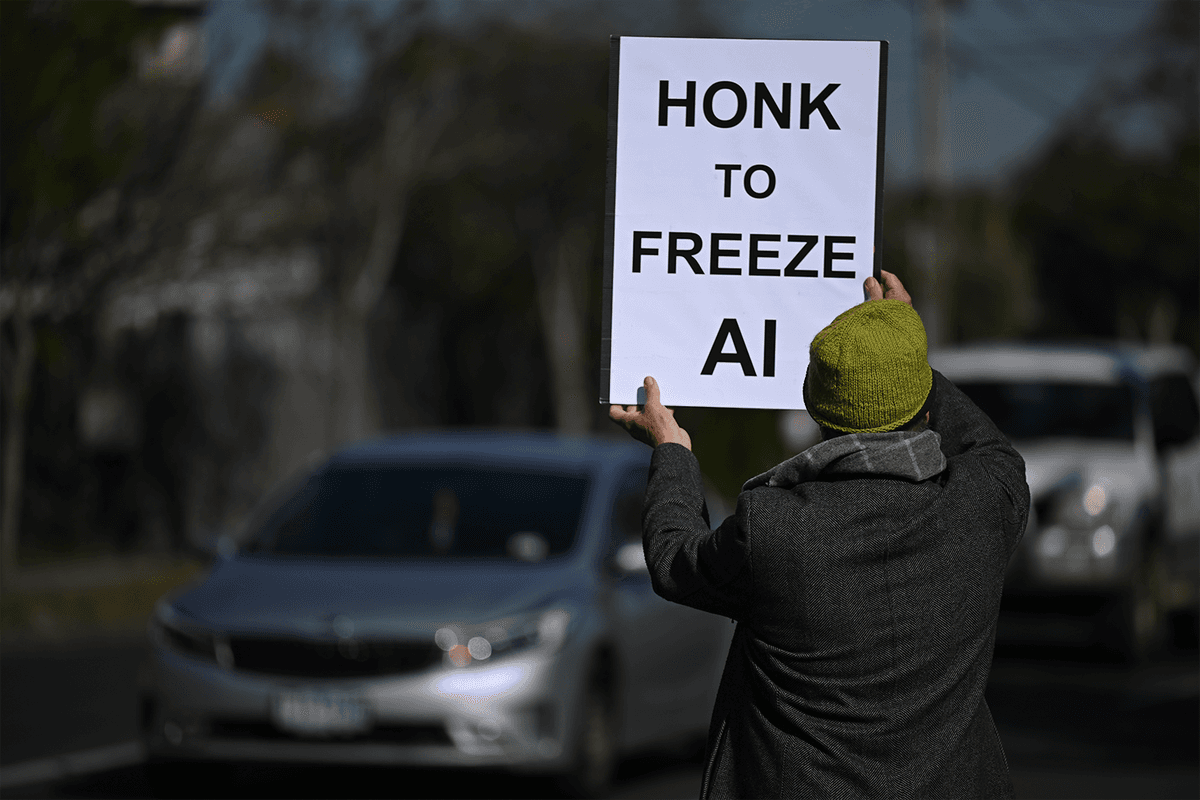
Until a comprehensive regulatory framework is established, we need an urgent moratorium across all states and territories on the assessment and approval of new and expanded data centres.
This would not reject data centres or the technology they support. It would be a necessary pause to establish clear, enforceable rules that protect communities and the environment while providing certainty to industry and bringing us into line with jurisdictions such as the United States that are grappling with these questions already.
Let us learn from the story of Midas that “this gift was a bane and in his loathing for gold, he cursed his prayer,” because once it’s done, there’s no turning back.
Jo Shulman is a human rights lawyer and CEO of the Environmental Defenders Office.