Tuvalu and Ireland have just set the agenda for the next chapter of the fossil fuel transition. Australia needs to show up with more than talking points and have an action plan.
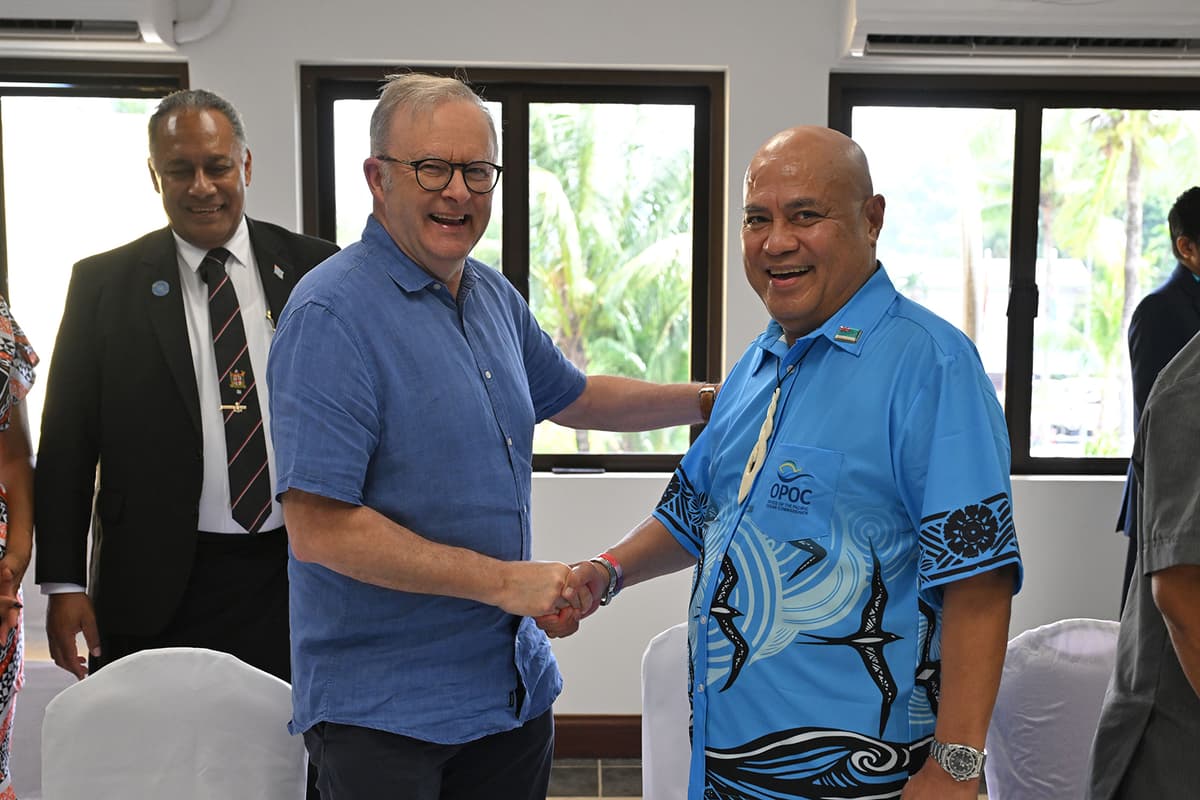
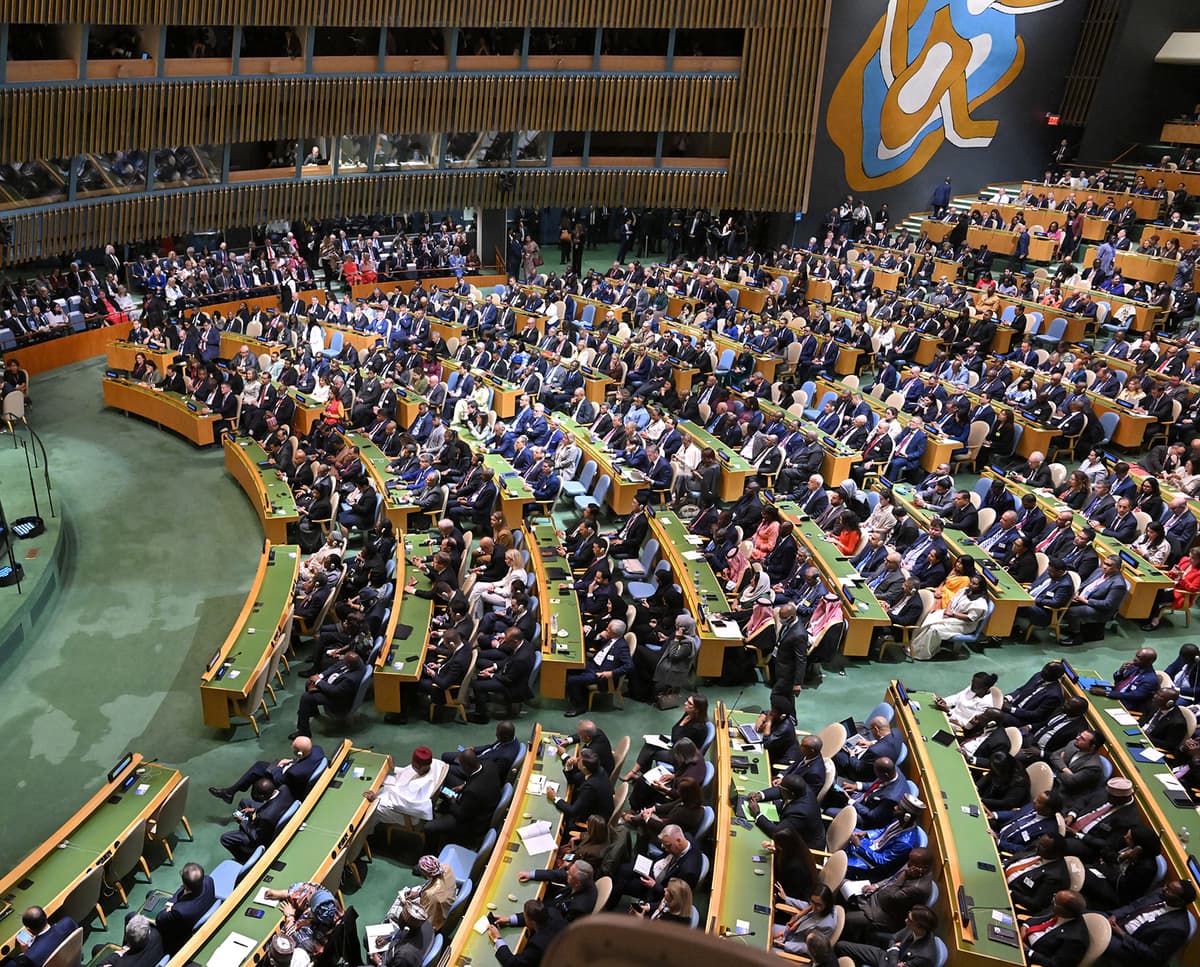
At a side event during the 81st UN General Assembly, Prime Minister Feleti Teo of Tuvalu and Ireland’s Minister of State Timmy Dooley unveiled their shared vision for the Second Conference on Transitioning Away from Fossil Fuels (TAFF-2), to be co-hosted in Tuvalu in 2027. The theme, “From Pathways to Delivery: Making the Transition Possible for Every Country,” challenges the 57 nations who gathered in Santa Marta, Colombia, last year to move from agreeing on the destination to showing their working on it.
TAFF-2 was originally pencilled in for April next year. It has now shifted to July, giving academics, scientists, Indigenous groups, subnational groups and NGOs more room to make submissions and define the roadmaps that would deliver a fossil fuel phase-out, a smart call for a process that, at its foundation, deals with existential problems for all of us.
The central ask hasn’t changed. Tuvalu’s Minister for Climate Change and Environment, Dr Maina Talia, has set three pillars: plan the transition, finance the transition, transform the real economy. Countries must name what’s stopping them from leaving coal, oil and gas behind, then bring roadmaps that show a timed, funded, transparent phase-out.
As Teo put it, come with “a challenge you are prepared to work on.” For Tuvalu, this is about sovereignty. Small island states pay some of the world’s highest energy prices for fuel shipped across oceans, while carrying almost none of the blame for the crisis threatening to submerge them. Talia has framed Tuvalu’s approach through Tuakoi, the spirit of being a good neighbour, and wants voices underrepresented at the first conference heard this time.
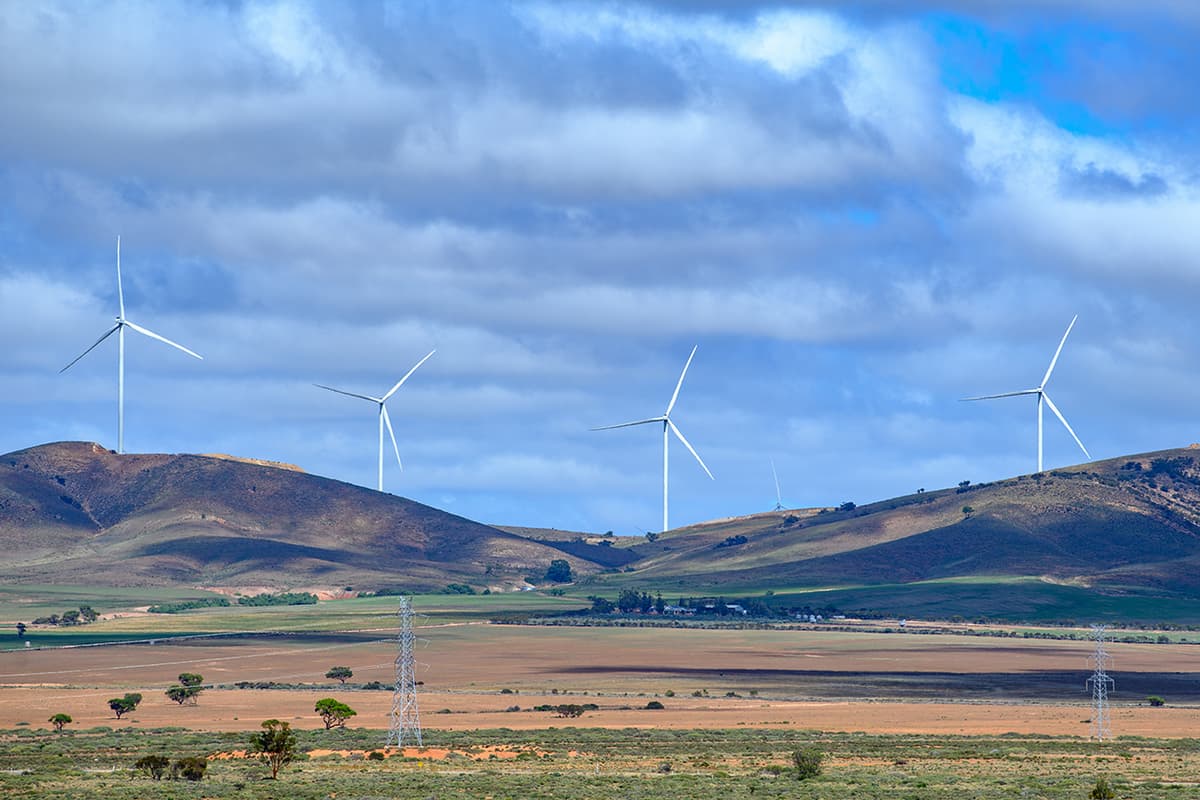
Australia should listen hard, because we’re one of those voices, and we haven’t been honest about our own problem. We’re the world’s third largest fossil fuel exporter, behind only Russia and Saudi Arabia. For years we’ve been sold a line from our government that rooftop solar proves we’re doing our bit. That line ignores the export ledger and the approvals register: since 2022, the Albanese government has approved or extended 37 new or expanded coal, oil and gas projects.
You cannot hold up a solar panel in one hand while waving through new fossil fuel projects with the other and call it a transition. That’s gaslighting of the Australian public and of every Pacific nation looking to us to act in good faith.
Our participation in this process has been strange from the start. Signing the original Colombia Declaration in Belém made us a founding member of the 24-country bloc, and one of its largest fossil fuel producers in this grouping. Yet Minister Chris Bowen was not even in attendance at the First Conference in Santa Marta. Instead, a departmental official stood in his place for the final 2 days of the weeklong meeting, and no Australian made a formal statement.
Weeks later, asked whether the declaration sat awkwardly beside Australia’s gas expansion plans, Prime Minister Albanese simply insisted gas is “part of the transition.” Then Minister Bowen skipped the Santa Marta conference, instead sending senior officials, while ministers from the other 56 countries sent ministers and elected representatives to get on with the work.
We now know why Australia failed to turn up to the process it signed up to. FOI documents show the departmental delegate sent in Bowen’s place, David Higgins, was explicitly briefed to stay “non-committal” on specific outcomes, while still angling for visibility ahead of Australia’s turn as COP31 President of Negotiations. The briefing pack handed to Higgins came pre-loaded with talking points defending our continued fossil fuel extraction and gas exports, alongside Australia’s draft negotiating position on Pacific nations’ demands under the Tassiriki Call. Large sections withheld personal details under section 47F(1), and Australia’s diplomatic strategy under section 33. A government that redacts its own negotiating position from the public isn’t managing diplomacy. It’s managing fossil fuel exposure.
For TAFF-2, that pattern must end. We need a climate minister at the table for the whole process, not an official dropping in for the closing session to deliver vague talking points.