This is the first piece of seven in an ongoing series examining the remarkable flaws of the Safeguard Mechanism, updating our previous analyses with new data, facts and figures as a review of the scheme kicks into gear.

Wed 28 Oct 2026 01.00 AEDT
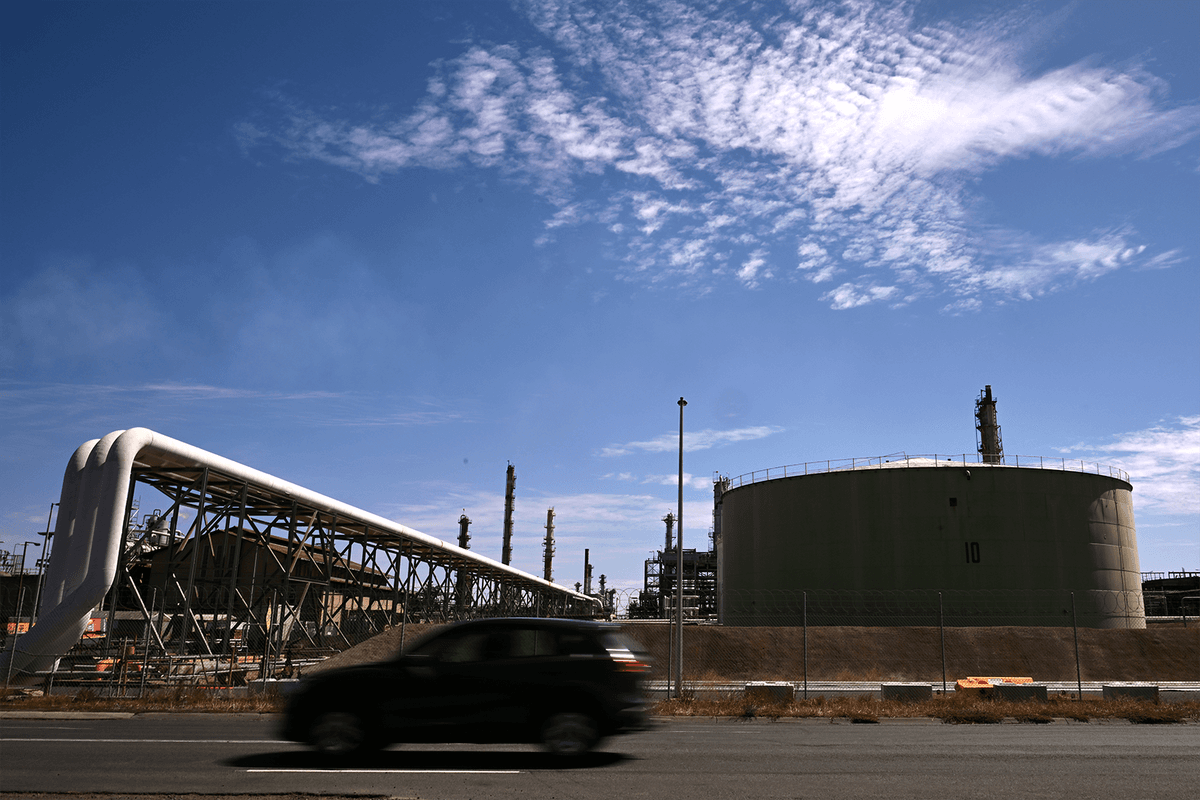
Photo: AAP Image/Joel Carrett


The prominence of loopholes in the Safeguard Mechanism (SGM) scheme killed it dead from day one. The key question now is whether a government review into the scheme will bring it back to life.
It does not cause immediate and deep emissions cuts in Australia’s fossil mining sectors and heavy industry because polluters can effectively pay a minuscule fee instead of reducing emissions. This is reflected both in existing work going back many years and the most recent data disclosures offered by the Clean Energy Regulator (CER) earlier this year.
In September 2022, The Australia Institute submitted a paper entitled “Safeguarding fossil fuels” to an inquiry into reform of the Safeguard Mechanism. In that paper, The Australia Institute warned explicitly that offsets should be strictly limited in their use in the SGM, and that the in-scheme ‘Safeguard Mechanism credits’ (SMCs) will create another ‘low-integrity carbon market’.
Co-CEO of The Australia Institute Richard Denniss stated:
The dangers of climate change are just too high to take a risk on climate policies that rely on dodgy carbon credits. Allowing new coal mines and gas wells to open because they bought some low integrity credits isn’t a path towards net zero, it’s a recipe for climate disaster.
It is clear, in the nearly four years that have passed, that these warnings were both ignored and vindicated.
Fossil fuel extraction continues to drive both domestic emissions and product-use emissions once coal and gas are sold and burned overseas. Most recently, the approval of the HVO extension mere weeks before Australia takes on a key role at COP31 in Türkiye has demonstrated how shockingly bad regulation is at controlling the ongoing expansion of coal and gas mining.
In this series of posts for The Point, I’ll focus largely on fossil fuel industries as the most concerning and loophole-ridden sub-sectors of the Safeguard Mechanism.
Quality research, analysis, explainers and factchecks from experts you can trust.
If uncorrected, the SGM will continue to serve not just as a failed climate policy, but as a remarkably successful fossil fuel incentive, enabling the dangerous expansion of coal and gas in Australia by creating the comforting illusion of regulation. If reformed, the SGM could become a major force for driving immediate, substantial and beneficial emissions cuts, serving to protect Australians from the crippling and worsening costs of fossil fuels, including their catastrophic atmospheric impact.
Tackling false solutions is a critical component of tackling climate change, as found in a report published as part of the April 2026 Transition Away from Fossil Fuels (TAFF) conference, held in Santa Marta, Colombia. Australia is one of the 57 countries that endorsed the Santa Marta Statement on the Transition Away from Fossil Fuels (TAFF) in April 2026, building on the Belém Declaration it signed at COP30. The international science panel convened through that process explicitly branded carbon capture and storage and carbon offsets as “false solutions” that entrench fossil fuel dependence rather than deliver genuine abatement.
If Australia intends to honour its TAFF commitments and meet its Paris Agreement targets, the Safeguard Mechanism review cannot simply wave through both mechanisms as compliance shortcuts. CCS has a three-decade record of missed targets and unproven performance at commercial scale, while heavy reliance on ACCUs and Safeguard Mechanism credits lets Australia’s biggest polluters defer direct emissions cuts rather than make them.
If Australia is to survive the next few decades of fossil fuel chaos, the government has to chart a course that phases out, rather than entrenches, reliance on both as substitutes for real decarbonisation.
At that conference, many argued, “priority should be given to absolute emissions reductions, public investment in proven clean technologies and reductions in excessive energy and material consumption, particularly in high income economies”. The report explicitly names so-called carbon offsets as among the many risks in these false solutions. The impacts of false solutions is extremely significant: it is the foundation of Australia’s flagship climate policy.
As you’ll see in this series, there’s no time to waste in replacing the Safeguard Mechanism with climate policy that works.
Ketan Joshi is a Senior Research Associate at the Australia Institute.

