Chris Bowen opened COP31 as President of Negotiations with a speech overnight about partnership, trust and momentum. It was warm and well delivered. It also skipped over what every delegate already knows: Australia is the third-largest fossil fuel exporter in the world.

Tue 10 Nov 2026 16.46 AEDT
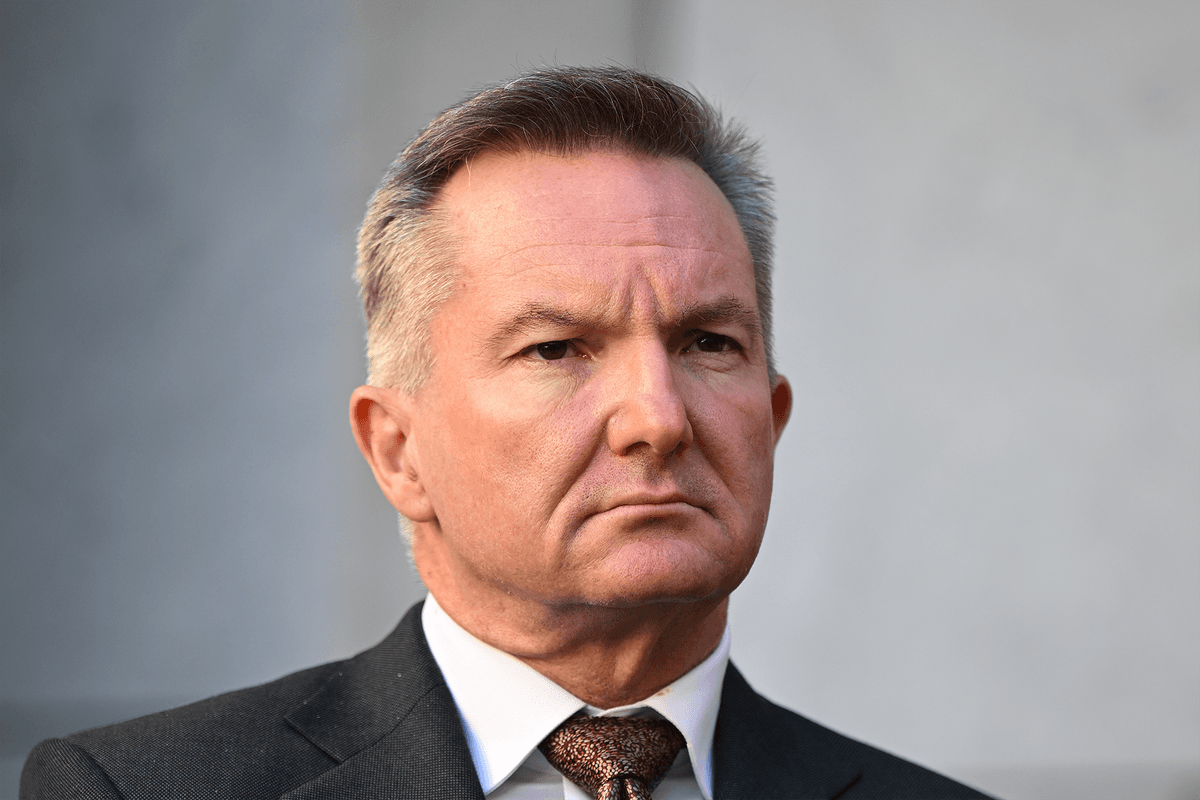
Photo: AAP Image/Lukas Coch


Chris Bowen opened COP31 as President of Negotiations with a speech overnight about partnership, trust and momentum. It was warm and well delivered. It also skipped over what every delegate already knows: Australia is the third-largest fossil fuel exporter in the world.
The speech said nothing about coal or gas. Fossil fuels got two passing mentions, both as something other people burn – it’s a ‘them’ problem, not an ‘us’ problem, it seems.
Bowen also failed to mention that emissions from Australian coal and gas burnt overseas have almost doubled since 2005, from 681 million tonnes to almost 1,200 million tonnes last financial year.
Bowen thanked our “Pacific family” for hosting the Pre-COP last month. He described them (again) as those who have done the least to cause climate change but have the most at stake. Stating that no country should face climate impacts alone, and that the countries needing finance most are getting it least.
Good words. But the Pacific has already told us what good family would do.
Tuvalu’s Climate Minister, Dr Maina Talia, says talking about 1.5 degrees means “literally discussing the phasing out of fossil fuels”. In 2024, he called opening, subsidising and exporting fossil fuels “immoral and unacceptable”. In September, he warned that Australia cannot be a good Pacific neighbour while expanding fossil fuel production. When the Australia Institute showed that fossil fuel subsidies since 2020 were almost six times Australia’s aid to the Pacific, his answer was blunt. The real problem must be stopped, whatever else we spend.
Vanuatu’s Climate Minister, Ralph Regenvanu, says the minimum expected of a major producer is to stop expanding production. He put the injustice in numbers. When twin cyclones hit Vanuatu in 2023, 80 per cent of people were affected and recovery needs exceeded 60 per cent of GDP.
Meanwhile, Oxfam found coal, oil and gas corporations in Australia earned more than $436 billion in 2023-24, and one in three large fossil fuel companies paid no tax. Regenvanu asks how that is fair when the region pays the climate bill while the biggest polluters profit.
His answer is to end new coal and gas, wind back subsidies and put a levy on pollution. That money would help fill the gap in the Adaptation Fund, the Loss and Damage Fund and the Pacific Resilience Facility. Being a good neighbour, he says, means “standing up to vested fossil fuel interests”.
Bowen says finance must be faster, simpler and fairer. Regenvanu has just told him where to find it.
Australia arrives with a polished domestic story: a footprint down 25 per cent on 2005. But the policy meant to cut emissions at our biggest polluters leans on dodgy offsets.
Australia Institute analysis found the Safeguard Mechanism is failing to drive real cuts. Polluters can use unlimited offsets to claim domestic emissions reduction on paper, while still increasing pollution in the real world. Fossil fuel companies have used more than two-thirds of the offsets surrendered. IEEFA found coal mine emissions rose slightly while the sector bought 6.4 million offsets in 2024-25.
Quality research, analysis, explainers and factchecks from experts you can trust.
That is not a transition. It is cooking the books to concoct climate action reportables.
The Albanese government has approved 38 new, expanded or extended coal, oil and gas developments since 2022. Most of that coal and gas is exported, so it never appears in the numbers Bowen quotes. Hunter Valley Operations could be approved before Christmas.
We are the world’s largest seaborne importer of diesel. The Iran war added $9 billion to our import bill in six months. Taxpayers still gave the 18 biggest miners $3.4 billion in fuel tax credits to keep burning it, part of $16.3 billion in fossil fuel subsidies.
We import the diesel, subsidise the burning, export the coal and gas, and count almost none of it. Under Paris rules, those export emissions belong to the buyer. The High Court has just called scopes an “accounting concept”. The atmosphere does not read our inventory.
I am not knocking electrification; more of it I say! A global push to reach 35 per cent electrification by 2035 is a good goal, and our rooftop solar is a real success story. But electrification alone is 35 per cent of an energy transition policy. We need to phase out fossil fuels to do the rest.
Bowen told a Guardian podcast that no minister has asked him to sell less coal and gas to them. Of course not. Customers rarely ask a supplier to stop. A President of Negotiations is meant to lead on what the science demands, not what his customers are buying.
Hiding behind rooftop solar while approving new coal and gas for a polluting export market is hypocrisy.
Numerous countries are set to release their fossil fuel transition roadmap at COP31; the live question is whether Australia will be among them. Our road map does not need to be complicated; it starts with no new fossil fuel projects, tax fossil fuels fairly to fund the transition, legislate a phase-out timeline and end the fossil fuel subsidies.
Bowen has promised a Presidency-initiated, Party-driven decision with no surprises. Decide to name fossil fuels and commit to a roadmap for transitioning away from them, as the Belém Declaration Australia signed requires. Then say no to HVO and no to Browse.
A positive legacy will be written in what Bowen delivers with other nations this fortnight. The Pacific family is watching; the whole world is watching.
Louise Morris is an award-winning advocate with 20 years’ experience encompassing climate, energy, forest protection, and law reform in the not-for-profit sector, and federal politics before joining The Australia Institute.

