Woodside wants you to think of Browse as just one gas field, tucked neatly 300km off the West Australian coast, minding its own business. Except, it isn’t. Browse is a carbon bomb, and it’s sitting in a queue, waiting for a green light from a government that insists it takes climate change seriously.
The Climate Council has tallied it up: since coming to office, the Albanese government has approved 36 new, expanded or extended coal, oil and gas developments. Another 42 coal mines alone are still in the approvals pipeline. Layer on the gas basins, the LNG proposals, and the carbon dumping carbon capture and storage (CCS) schemes being waved through as an offset for all of it, and Browse stops looking like an outlier. It looks like a pitch from the gas industry for its future business model.
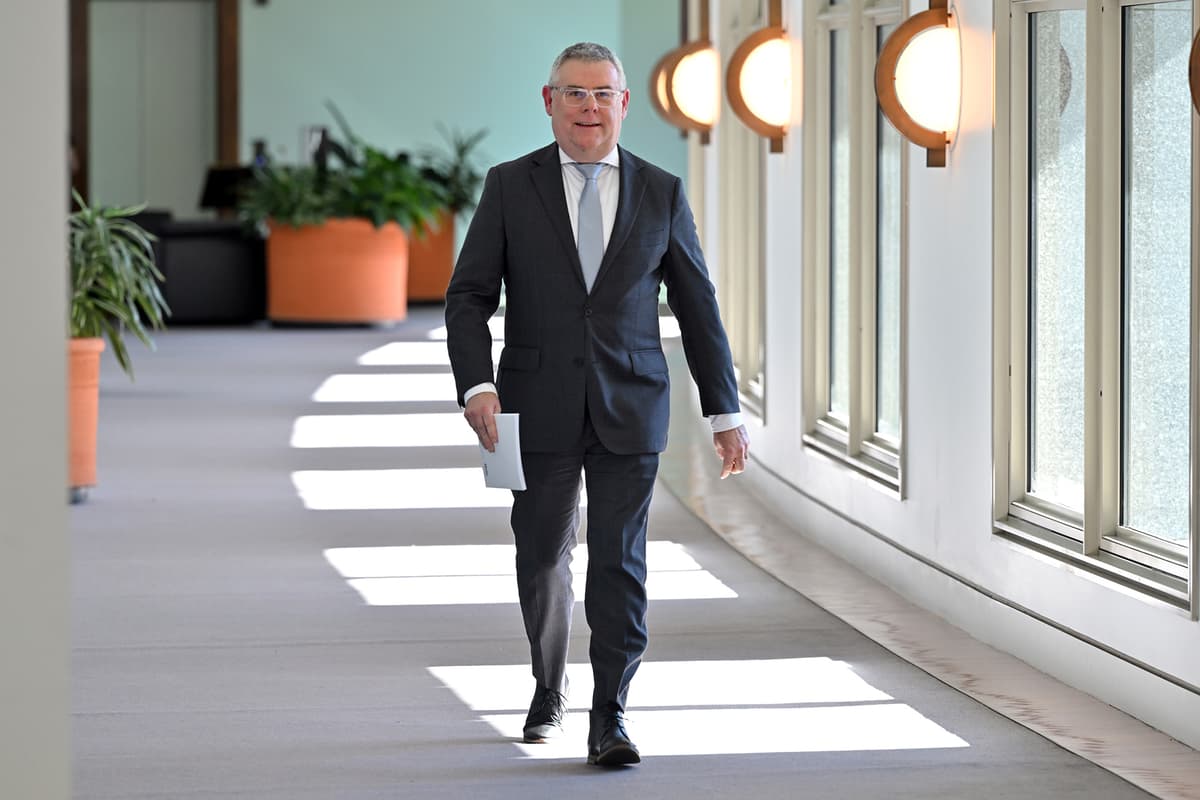
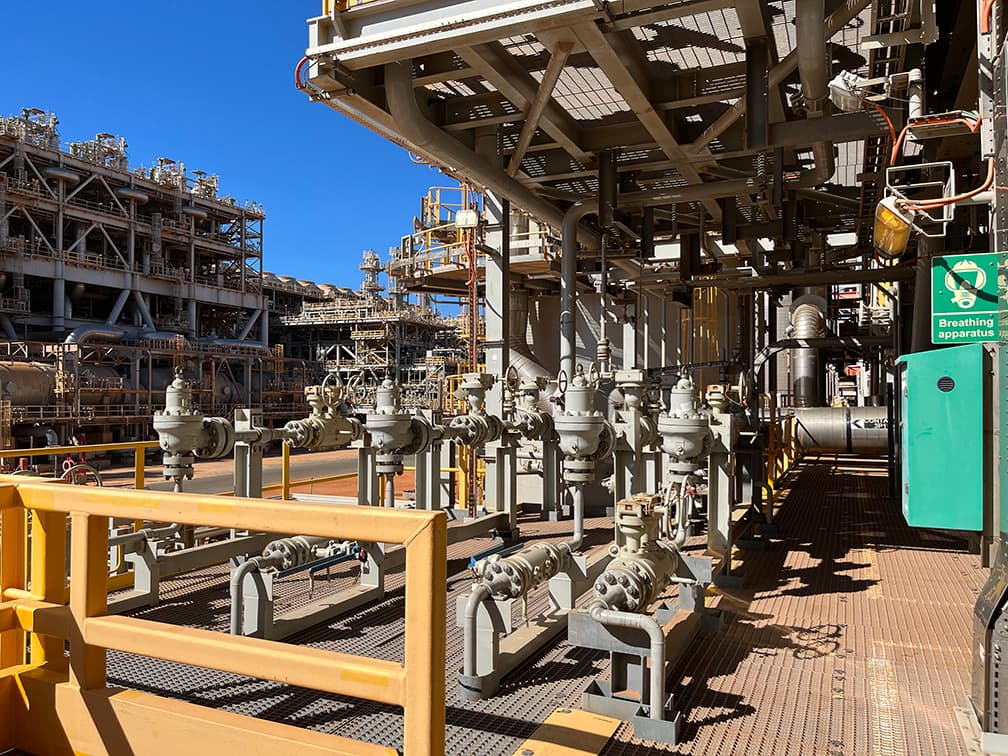
The Browse proposal exists because Woodside needs a new source of gas once its existing fields are depleted. That gas would be processed at the Northwest Shelf gas processing and export hub near Karratha, whose operating approval was extended to 2070 by Environment Minister Murray Watt last September.
Forty extra years for a facility that was meant to close in 2030. The Northwest Shelf extension alone is projected to emit close to 4 billion tonnes of greenhouse gases over its life. Browse adds another 1.6 billion tonnes on top, and that pollution doesn’t stay tidily offshore.
Research commissioned by the Australian Conservation Foundation (ACF), using end-to-end attribution methodology from IPCC lead author Professor Sarah Perkins-Kirkpatrick, found the emissions from Browse would kill an additional 29.35 million individual coral colonies in every future mass bleaching event on the Great Barrier Reef. A reef that is struggling to survive in warming oceans. Hard lobbying by the tourism industry and government has kept it off the UNESOC ‘in danger’ list in recent days.
That’s not collateral damage from some other country’s fossil fuel habit. That’s ours, made in Western Australia, delivered to our most iconic reef.
And then there’s the carbon dumping. Browse’s gas carries unusually high CO2 content, which under current rules must be offset from day one. Woodside’s answer is a carbon dumping CCS scheme, involving an additional seven CCS wells around Scott Reef, that doesn’t yet exist at any such scale globally. We’ve made this point before: CCS functions as a perpetual boondoggle machine for the fossil fuel industry, and Chevron’s own flagship Gorgon project is the proof, running at a fraction of what was promised for over a decade.
However, there is a sliver of good news in this carbon bomb. For the first time in eight years, Browse is open to public comment at a federal level, because ACF’s reconsideration request was granted and Minister Watt accepted it as valid. ACF’s climate campaigner Piper Rollins has been clear about what’s at stake, warning that Woodside’s proposed project at Scott Reef could wreck critical habitat for endangered marine life. ‘None of that guarantees the outcome we want. It just means the door, closed for eight years, is finally ajar.
It’s worth noting why “no new coal, oil and gas” isn’t a slogan; it’s informed by maths and physics.
The Australia Institute’s research into the federal government’s own major projects list found 116 new coal, oil and gas projects sitting in the pipeline, which, if they all proceed, would add 1.4 billion tonnes of greenhouse gases to the atmosphere annually by 2030. That’s nearly three times Australia’s entire domestic emissions for a single year.
The Safeguard Mechanism, the government’s flagship climate policy, aims to cut 205 million tonnes over the same period. The scale mismatch there should embarrass everyone still describing gas as a ‘transition fuel’.
It should also embarrass a government that signed the Belém Declaration on the Transition Away from Fossil Fuels at COP30. Alongside dozens of other countries, the government committed to shifting energy systems and exports away from coal, oil and gas in a just and equitable way. Our own Minister Chris Bowen is the COP31 negotiations president this year. You cannot lead a global fossil fuel phase-out while your environment minister is deciding whether to greenlight the country’s biggest new gas basin.
Labor’s National Conference runs from 23 to 25 July in Adelaide, and taxing export gas will be one of the hottest items on the floor, along with what our plan is for transitioning off fossil fuels. That is the moment to test whether Belém was a genuine commitment or just a nice photo in Brazil. Browse can still be stoppped, and we have a small window of time to participate in the public comment process and make sure delegates in Adelaide hear that signing a fossil fuel phase-out declaration and approving a carbon bomb cannot both be true at once.