The draft National Environmental Standards put up for public comment over summer are vague, discretionary, and offset-heavy.

Fri 30 Jan 2026 11.00
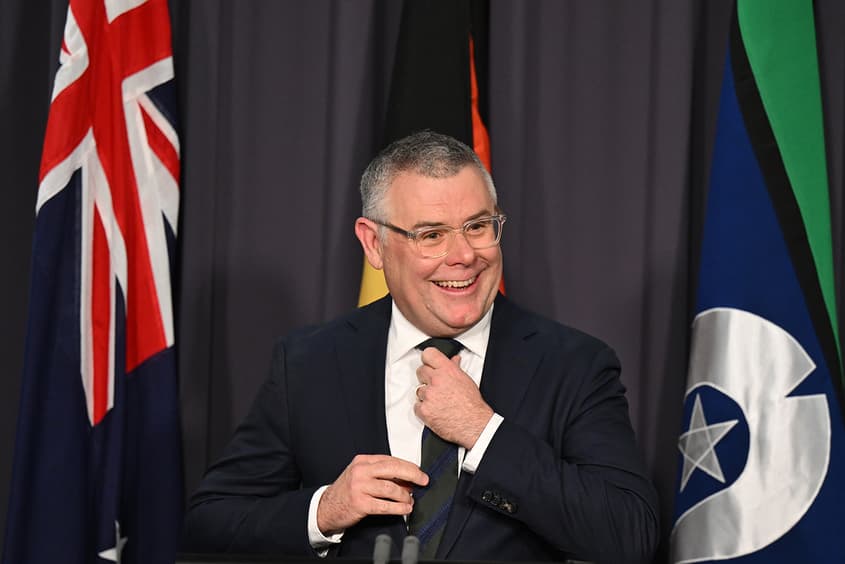
Photo: AAP Image/Lukas Coch


The Albanese government promised a once-in-a-generation fix to Australia’s broken environment laws. Instead, the draft National Environmental Standards put up for public comment over summer look worryingly familiar: vague, discretionary, offset-heavy, and built to accommodate destruction rather than stop it.
These Standards are meant to be the backbone of Labor’s overhaul of the Environment Protection and Biodiversity Conservation (EPBC) Act. The independent Samuel Review recommended clear, binding National Environmental Standards to remove ambiguity and force decisions to stay within ecological limits.
But the draft Standards covering Matters of National Environmental Significance and Environmental Offsets, released by Environment Minister Murray Watt following the passage of the bill in late 2025, fall well short of that brief. Rather than the enforceable reform Samuel proposed, they reflect a familiar political compromise designed to minimise conflict with development interests.
At their core, the drafts avoid drawing hard lines. They lean heavily on aspirational language, offering guidance rather than binding limits. Scientific thresholds, unqualified requirements for no net loss of biodiversity, and rules to prevent further deterioration of threatened species are largely absent.
The Matters of National Environmental Significance Standard should guarantee that federal approvals do not worsen the plight of endangered species or ecosystems. Instead, it largely reinforces process without delivering enforceable limits that would compel different outcomes. It fails to set non-discretionary, science-based thresholds or clear rules for cumulative impacts, despite both being central to Samuel’s diagnosis of what went wrong under successive governments.
Offsets are another glaring weakness. The draft Environmental Offsets Standard governs how environmental damage is to be justified once avoidance and mitigation have failed. While the government presents this as a safeguard, the requirements can be sidestepped with restoration contribution charges, effectively pay-to-destroy fees, can be accepted without guarantees that real, like-for-like ecological outcomes will be delivered.
Environmental lawyers and ecologists have warned for years that offsets only work in extremely narrow circumstances, and often not at all for critically endangered species and ecosystems. Yet the government has chosen to leave these risks unresolved, preferring flexibility over certainty even as extinction crisis accelerate.
This is not a technical quibble. The most recent State of the Environment reporting confirms that Australia’s environment is in poor and deteriorating condition because of climate change, habitat loss, invasive species, pollution, and extractive development. Against that backdrop, choosing soft language and political pragmatism over practical and enforceable environmental protection is a political choice.
The Standards are only one part of Labor’s broader reform package, which passed parliament in late 2025 with bipartisan acknowledgment that the old system had failed. But reform that preserves the same discretion, the same offset trade-offs, and the same political pressure points is reform in name only.
The uncomfortable truth is that genuinely nature-positive laws would mean more protection for species and habitat, fewer approvals and clearer limits on where extractive projects can occur. That is precisely the choice the government appear to lack the political will to make.
Strong environmental laws do not rely on ministerial goodwill. They rely on science and enforceable rules. They set limits, remove discretion where it has failed, and make compliance unavoidable for both proponents and decision-makers. Samuel understood that. Labor once claimed it did too.
The draft Standards can still be fixed, but only if the government is willing to accept the political cost of acting on science and saying “no” to damaging projects. Nature positive cannot mean development first, offsets-and-explanations later. If Labor’s reforms do not draw clear lines now, Australia will continue to lose species and ecosystems under a different legislative banner, with blame resting squarely at the Albanese government’s feet.
Advertisement
The Federal Government is facing calls to intervene and stop the expansion of a central Queensland coal mine that environmental groups have labeled a “carbon bomb”.
Last week, Senator David Pocock proposed a Senate inquiry into the “extraordinarily low rates of revenue Australians receive from the export of our gas resources.”
Australia’s poisons regulator shows how hard it is to rebuild an institution after it is damaged. As it rebuilds, Australian native animals are dying.
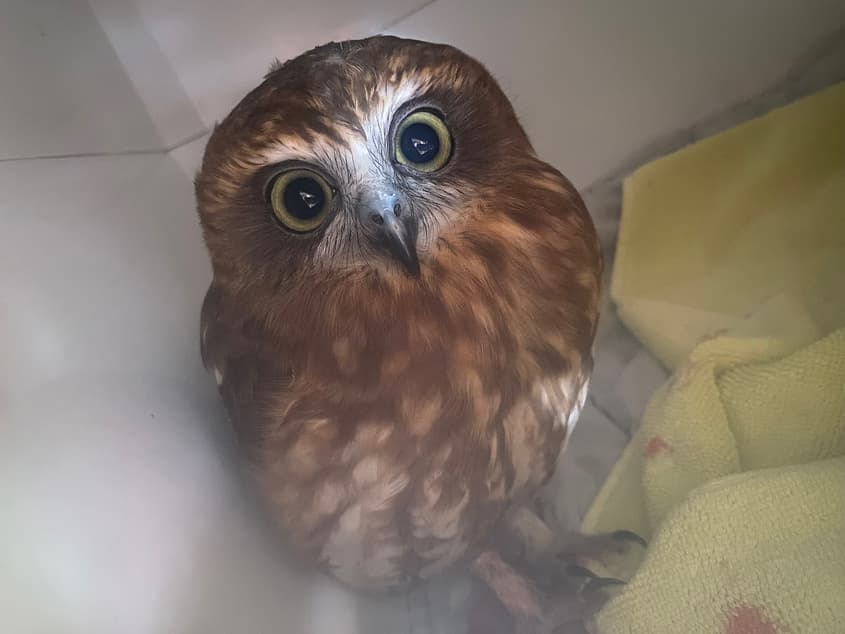
We’ve just had an epic win for our native animals, such as owls, goannas and eagles. And after years contributing to the scientific evidence on the wildlife impact of rodent poisons, it’s a day scientists like myself feared would never come.