Australia’s poisons regulator shows how hard it is to rebuild an institution after it is damaged. As it rebuilds, Australian native animals are dying.
Mon 16 Mar 2026 01.00
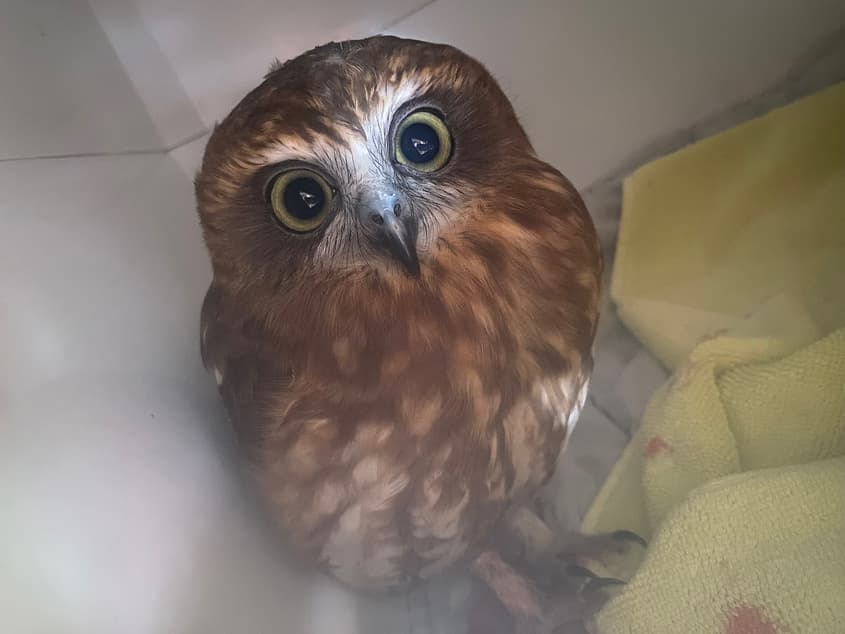
Photo: Australian Boobook found in backyard being attacked by ravens. Weak puffed up bleeding and unable to clot - despite treatment this bird died; photographer: Jessica Crause


When an owl dies from rat poisoning death doesn’t always arrive swiftly. All too often, Dr Barry Traill says, it takes its time.
How it happens is not complicated the zoologist and environmental campaigner says: a poisoned rat can’t run or hide as well, making it an “easy picking” for a hungry owl.
“Owls are quite efficient little predators, they’re mostly feathers,” Traill says. “They scoff the rat down and they’ve now got poison in their system. They might die quickly if they’ve got a heavy load, but they might get a sublethal dose that’s not enough to kill them. Then the next night they catch another rat and before long, it adds up.”
“It means the animal basically bleeds out internally. I can send you pictures of what happens next. They’re just sitting there. They’re still, not moving. Some survive. Many don’t.”
It is a problem that doesn’t just affect owls. Wedge-tailed eagles, Tawny frogmouths, quolls, possums, Tasmanian devils and eve domestic cats and dogs can all be affected. The culprit is a group of poisons known as second-generation anti-coagulant rodenticides, sometimes referred to as ‘SGARs’.
Unlike earlier generations of rat poison, these chemicals don’t break down as fast. They stick around longer in the body of rats and in the environment, where they end up consumed by predatory birds and native species.
Though these poisons have been used successfully, despite some blips, for clearing invasive rats from isolated and sensitive ecosystems like Lord Howe Island, conservation, environment groups and ecologists say the risk from using them around the house or on farms is simply too great.
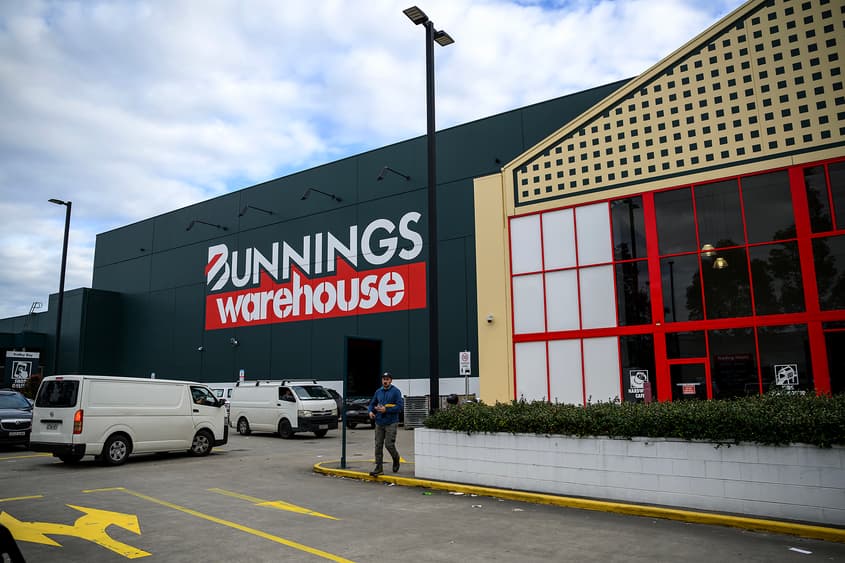
It is an issue the Australian Pesticides and Veterinary Medicines Authority (APVMA) has been aware of the issue for ten years and has been reviewing for the past five. Throughout this time, these poisons were freely available to be bought from Bunnings, Coles or Woolworths —that is, until last week when the regulator announced it would recommend they be pulled from shelves and restricted to use by licenced professionals.
Whether or not it will go ahead is up to federal and state governments who must now decide whether to accept it, but environmental and conservation groups welcomed it as a win.
Jessica Crause, a wildlife rehabilitator from the Sydney Metropolitan Wildlife described the move to ban the sale of second-generation rat poisons as “literally life saving for wildlife—of all species, especially birds.”
“The recommendation that these chemicals should be taken off retail shelves and only accessible to those with a license and training is fantastic, and I cannot see how the Minister for Agriculture could ignore it,” Crause said.
Mike Lohr, an ecologist and Adjunct Lecturer with Edith Cowan University described the decision as a “big step in the right direction and something to celebrate” but warned the experience from overseas showed that even restricting use to licence pest controllers resulted in a slight increase in the poisoning of hawks and owls over time.
“What you’ve seen in a lot of other countries is complete removal of sale to the public and fairly serious restriction of even licenced professionals to use this stuff,” Lohr said. “There absolutely cannot be baiting outside of buildings unless it is part of a conservation eradication program.”
“Otherwise, we can still expect to see widespread poisoning in native wildlife.”
The decision, the result of a long, controversial process, may be a qualified success for conservation groups, but doubles as an illustration of what happens when a fragile public institution responsible for high-stakes decision making is damaged by political interference.
Last week’s decision, for example, walks back a move it took in December last year where the agency found the use of second-generation rat poisons was “creating current risks to non-target animals, including native wildlife”, but did not act to remove them from sale.
Instead, it proposed reducing packet sizes but placed no limits on the amount that could be sold—a proposition environmental and conservation groups described as “absurd”.
Similar concerns were echoed by other groups engaged with APVMA on conservation and biosecurity threats who said the regulator appeared inconsistent in when and how it moved quickly.
In November, for example, the regulator approved the emergency use of antibiotic florfenicol in Tasmanian salmon farms despite concerns about the impact on human health. APVMA backtracked when it suspended its use in February after the antibiotic was detected in wild fish populations.
Earlier in June 2021, the regulator intervened quickly to stop the mass importation and release of a second-generation rodenticide, referred to as “napalm” for rodents, during a mouse plague in New South Wales at the time—even as it dragged its feet on review.
Reece Pianta, advocacy director at the Invasive Species Council said he believed the APVMA was “overwhelmed” by its workload, and acknowledged there’s been “frustration” at hold-ups and a lack of clarity in programs designed to control fire ants.
“There’s frustration all round,” Pianta says. “In general, it seems like the APVMA is overwhelmed by its workload and isn’t able to move fast enough or prioritise its work in areas of most need. To my mind, that’s a problem of resources that the APVMA has, but also the framework of the Act under which it operates.”
Pianta added that he believed the “structure in the act is geared towards commercial and industry uses” and that confusing, technical and overly bureaucratic language in public communications meant its instructions were often misinterpreted by the public.
Matthew Cossey, CEO of CropLife Australia, an industry body which represents chemical manufacturers, said APVMA had been working to “rebuild” after having been “off track for a few years” but timeliness remained an issue.
“They’re a crucial regulator. That’s why timeliness is still crucial,” he said. “There’s real consequences to delays, whether that’s our ability to deal with a disease outbreak or deal with an invasive species threat in our national parks or reserves.”
“There is a funding issue, too. This is the only regulator for ag-care and animal medicines in the OECD, and well beyond that too, that doesn’t, as a part of its standard budget, get an allocation from general revenue.”
APVMA’s funding model draws most of its operating budget from the application fees paid by the companies it regulates. Cossey said that “industry accepts it has got to meet that cost” but it was clear the regulator needed additional resourcing.
An APVMA spokesperson said “environment is one of the key statutory criteria against which we assess all products that come before us for evaluation”, and that it has a clear process for triaging the approval of new chemicals for conservation or biosecurity uses.
APVMA has always faced complaints about how it conducts business but the origin of its most recent trouble started in 2016. At that time, then agriculture minister Barnaby Joyce forced the agency to relocate its head office to his New England electorate in regional New South Wales during his in the then-Coalition government.
The decision cost the agency staff, expertise and demolished its corporate memory.
Kim Wellens, a chemist who briefly worked for the APVMA as Assistant Director and Acting Director for Environment Assessment Coordinator in that period, was among those who could not uproot their life and were moved into other departments.
“Morale was not high at all,” Wellens says. “The vast majority of staff were considering jumping ship.”
Even at that time, he said, the agency had lost sight of its role, and there was not a strong practice of documenting its decision making which allowed different “viewpoints” to proliferate.
Later, in July 2023, a review by Clayton Utz found the loss of staff, expertise and corporate memory had undermined the regulator’s operation. It said APVMA was “less active in relation to enforcement activities” and tended to rely on “education letters and formal warmings over compliance action”.
“The APVMA’s assessment, investigations and monitoring statistics suggest that in general, the APVMA is not overly active in the enforcement space and there are material concerns arising from the decision-making processes of the APVMA in relation to regulatory compliance and the regulatory capture of the APVMA,” it said.
Following the report, APVMA board chair Carmel Hillyard and CEO Lisa Croft resigned clearing the way for a change in leadership. A year later, they were replaced by Dr Catherine Ainsworth and Scott Hanson, respectively.
Under their leadership the process of rebuilding has not been issue.
On the issue of second-generation rat poisons, conservation groups allege the agency has not engaged transparently during consultations and has failed to ground its decisions in science. Scientific experts, including Mike Lohr, report being asked to submit the same research papers multiple times to the agency.
“There’s been delays and delays and delays,” Mike Lohr says. “Let me say that in no uncertain terms: delays on this risk increases the likelihood of extinction in a number of threatened bird and mammal species in Australia, including some pretty iconic ones.”
“You really can’t waste time on this. The trajectory of these species isn’t great.”
In response to these and other criticisms, an APVMA spokesperson said under was “on a clear path forward” under its new leadership. They pointed to the recent release of its Regulatory Posture Statement and Strategic Plan that set out five “strategic objectives”, including establishing itself as a “trusted, transparent and fair regulator”.
Even as the APVMA gets moving in the right direction, conservation groups say inaction comes at a cost.
“The APVMA’s specific agenda is to protect nature and people and it’s not. It hasn’t for years,” Barry Traill says. “Once you lose it, it’s difficult to claw back.
“How do you fix your bureaucracy? That’s the question.”
Advertisement

We’ve just had an epic win for our native animals, such as owls, goannas and eagles. And after years contributing to the scientific evidence on the wildlife impact of rodent poisons, it’s a day scientists like myself feared would never come.
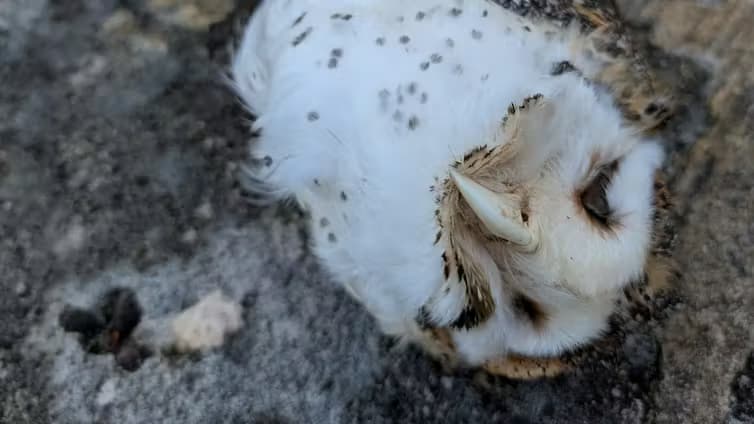
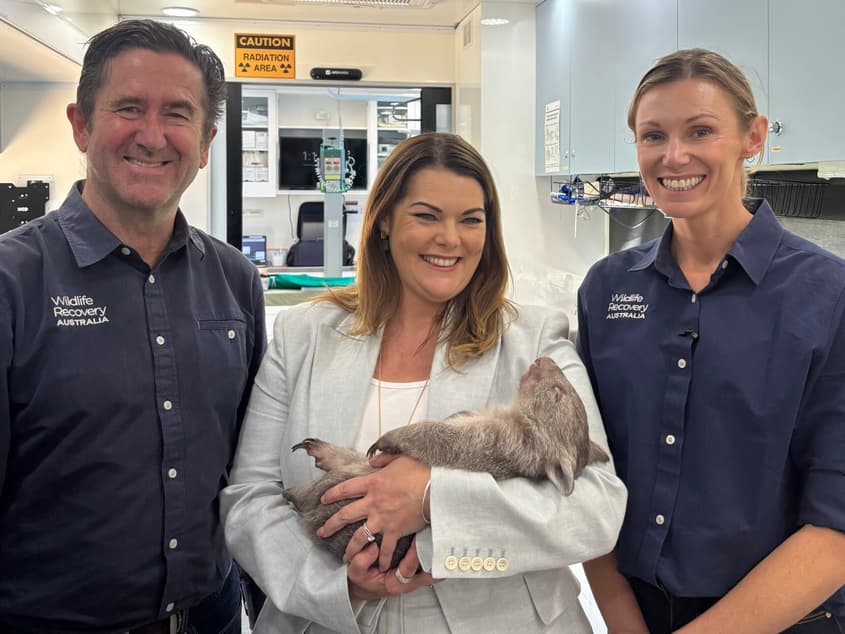
Australia’s struggling wildlife rescue sector is calling for the Albanese government to fund a national system for treating injured and orphaned native animals.
Visitors to the Twelve Apostles along Victoria’s Great Ocean Road will soon be asked to pay an entry fee, with the Vic State Government arguing it’s ‘only fair’ that visitors contribute to maintaining one of Australia’s most visited natural landmarks.