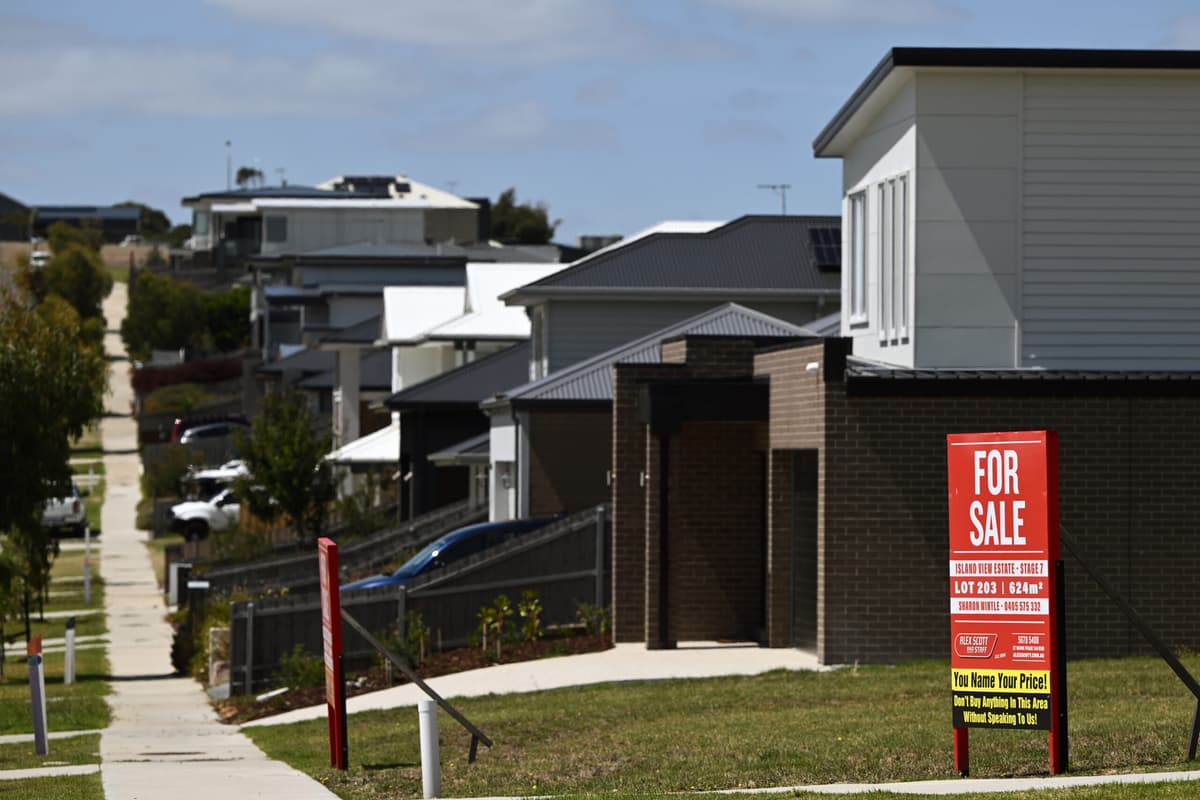
Is it a safe and secure place for people to live? Or is it a place to make a small minority of people rich?
The answer is important because the housing market over the last two decades has shown that it can’t be both.
Since the turn of the century, investors have flooded into the market, pushing up house prices, outbidding first home buyers, and making housing less affordable.
With the Reserve Bank now cutting official interest rates, house prices are going to grow even faster, and these rising house prices are going to attract even more investors.
After an election where the issue of housing affordability was hotly debated, first home buyers struggling to break into the market are likely to watch as rapidly rising prices leave them further behind.
The major party’s policies on housing affordability fell into two categories.
The first are those that increase supply, which in the long run will make housing more affordable.
The second are those that gave some financial advantage to a particular group of home buyers, most often first-home buyers, that would increase demand, push up prices, and ultimately make housing less affordable.
Overall, the major party’s offerings on housing are best described as a dumpster fire of dumb stuff.
What neither side offered were policies that deal with the underlying cause of unaffordable housing, the explosion in investor demand for housing.
The introduction of the 50% capital gains tax (CGT) discount in 1999, which makes half the capital gains on investment properties tax free, meant that making money from rising house prices suddenly became an attractive tax strategy. Combined with negative gearing, speculating in housing made sense from a tax perspective, and banks were quick to encourage people to borrow against the equity in their homes. Investors rushed into the housing market, increasing house prices and pushing out first-home buyers.
The obvious solution is to crack down on the CGT discount and negative gearing. But Labor has so far been reluctant to make these changes. Fortunately, there is another policy lever the government can pull.
This other option is the boringly named macroprudential policies. These allow the Australian Prudential Regulation Authority (APRA) to restrict leading to certain groups in the economy. In this case, it could restrict lending to property investors.
Why do this? Because we know that cutting interest rates makes borrowing more affordable. But what if, as the Reserve Bank cuts interest rates, this only benefitted people wanting to buy a home to live in?