It's time to rethink speeding fines
The current system is arbitrary, inconsistent and unfair - here's what we could be doing differently.
Wed 31 Dec 2025 09.00
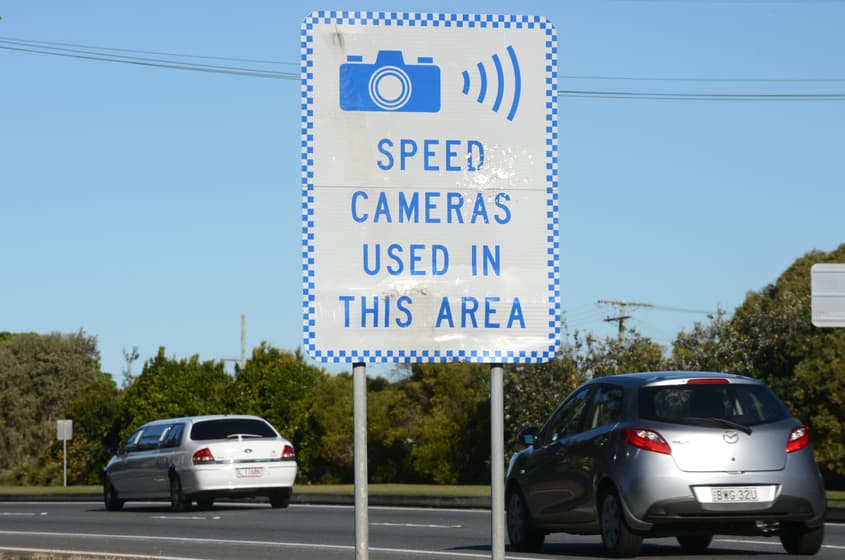
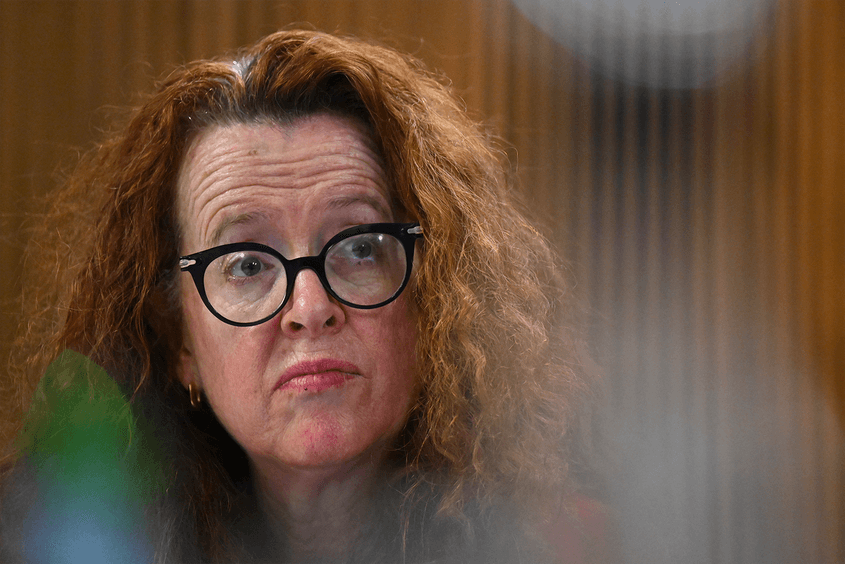
Photo: AAP Image/Dave Hunt


As we enter the festive season and many of us embark on holiday travels, speeding fines are on many of our minds. But you may not need to worry about them, as long as you’re rich enough.
At the moment, Australia has a regressive system where you pay the same fine no matter how much you earn: lower-income earners feel the impact of a fine far more than the wealthy do. So what are the alternatives?
Speeding fines are currently set at arbitrary rates. If you speed by 15 km/h in Tasmania, you pay $205. For the same infringement in the ACT you pay more than double: $498.
Last year, Brisbane Broncos player Ezra Mam was fined $850 for a head-on crash while on a “cocktail of drugs”, prompting outcry – Mam was earning $800,000 per year playing football which meant the fine was little more than an irritation. Meanwhile, as Managing lawyer at Inner Melbourne Community Legal Shifrah Blustein notes, many who aren’t fortunate enough to be professional footballers have to choose between paying a fine and eating dinner.
Governments decide how much you pay. One option available to them is proportional speeding fines. Australia Institute research has described how a “day fine” model used in some European countries would be a fairer alternative. Using a calculation based on losing a day’s wages (the idea of converting a day’s spent incarcerated into a fine) and accounting for children or other dependents, this shows how fines could be handled differently. To ensure that there would always be a fine, even in the case of very low earnings and several dependents, Finland has used a “fine floor”, in other words a minimum payment for breaking the speed limit.
Advertisement
While you might think that speeding fines are about raising revenue, the reality is that they are a small fraction of state government revenue. In New South Wales, Western Australia and South Australia, speeding fines make up 0.2% of the budget. This means governments could make changes to the fines system on the basis of fairness with little impact on their books overall.
Around Australia, calls for changes to fines are not new. The Tasmanian Greens proposed implementing proportional fines in 2017, and community legal groups have long called for changes in this unfair system.
In NSW, it is possible to apply for a fine reduction if you cannot pay your fine and meet certain criteria such as receiving government assistance. Instituting a proportional speeding fine system would take this system one step further and making speeding fines fairer.
With the high cost of living and increasing inequality in Australia, now is the time to look at implementing a fairer speeding fine system in each state and territory.
Related Articles
The Ruin of Magic
This is an edited extract from "The Ruin of Magic" by Kate Holden, published by Black Inc.

See What You Made Me Do: Foreword
This is the new foreword, written by Clare Wright, for the new updated edition of 'See What You Made Do' by Jess Hill