If worsening natural disasters and soaring energy and insurance bills haven’t been enough to raise the alarm about climate change – its threat to the world’s coffee supply just might.
Thu 19 Feb 2026 01.00

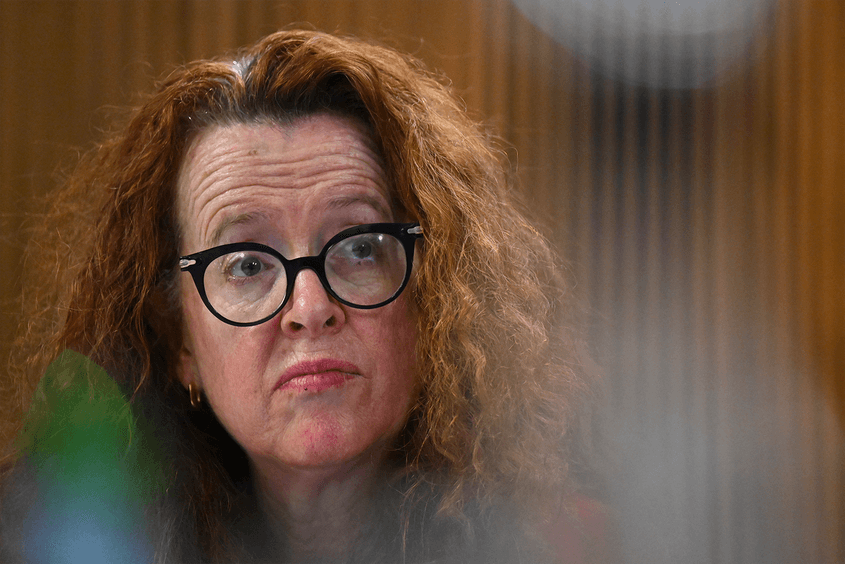
Photo: AAP Image/James Ross


If worsening natural disasters and soaring energy and insurance bills haven’t been enough to raise the alarm about climate change – its threat to the world’s coffee supply just might.
New analysis by Climate Central has revealed climate change is exposing coffee-growing regions to more harmful heat, making production increasingly difficult and causing prices to spike.
“Climate change is coming for our coffee,” said Dr Kristina Dahl, Climate Central’s vice president for science.
“Nearly every major coffee-producing country is now experiencing more days of extreme heat that can harm coffee plants, reduce yields, and affect quality.”
An estimated 2.2 billion cups of coffee are consumed worldwide every day
In Australia, three in four adults drink at least one cup daily.
However, that may have to change.
The top five coffee-growing countries – Brazil, Vietnam, Colombia, Ethiopia, and Indonesia are finding it increasingly difficult to combat extreme heat.
Climate Central analysis has revealed they’re experiencing on average 57 extra days of harmful heat each year because of climate change.
Concerning, given together they’re responsible for 75 per cent of the global coffee supply.
“In time, these impacts may ripple outward from farms to consumers, right into the quality and cost of your daily brew,” said Dr Dahl.
According to the World Bank, Arabica and Robusta Coffee bean prices have almost doubled from 2023 to 2025.
In February 2025 the International Coffee Organisation’s (ICO) daily benchmark for global coffee prices recorded the highest monthly prices on record.
Husband and wife duo Akshay Dashrath and Komal Sable co-founded South India Coffee Company in 2017 in one of India’s oldest coffee-growing regions and are feeling the heat.
“At Mooleh Manay, climate change is something we measure on our farm every day,” said Mr Dashrath.
“Our on-ground sensors show longer hot periods, warmer nights, and faster soil moisture loss, all of which place increasing stress on coffee plants and soils.”
Farmers In Ethiopia – the birthplace of coffee – are also witnessing the impacts of extreme heat.
“Ethiopian Arabica is particularly sensitive to direct sunlight,” explained Dejene Dadi, general manager of Oromia Coffee Farmers Cooperatives Union (OCFCU).
“Without sufficient shade, coffee trees produce fewer beans and become more vulnerable to disease.
It’s not as simple as sourcing beans elsewhere – smaller coffee-growing regions are fighting the same problems.
The world’s top 25 coffee-growing countries, which account for about 97% of global coffee production – have all reported experiencing “more coffee-harming heat during the past five years because of climate change”.
Dejene Dadi is urging governments to act on climate change and work with smallholder coffee farmers to help facilitate sustainable solutions to help them adapt.
“For example, our Union is distributing energy-efficient cookstoves that reduce the need for firewood and protect forest areas that serve as natural shelters for coffee cultivation.”
By the end of the decade, the industry is estimated to support the livelihoods of over 12 million farming families worldwide.
However, without help, there’s a growing risk some may have to abandon their farms for other work.
Smallholders are battling to receive the finance needed to better protect their farms.
Climate Central notes the cost of adaptation for a 1-hectare farm is $2.19 a day – less than the price of a cup of coffee in many countries.
The Albanese Government is being urged to rule out changes to the Electric Car Discount in the May budget, as global fuel volatility intensifies pressure to ease the cost of living.

This is the new foreword, written by Clare Wright, for the new updated edition of 'See What You Made Do' by Jess Hill

Advertisement

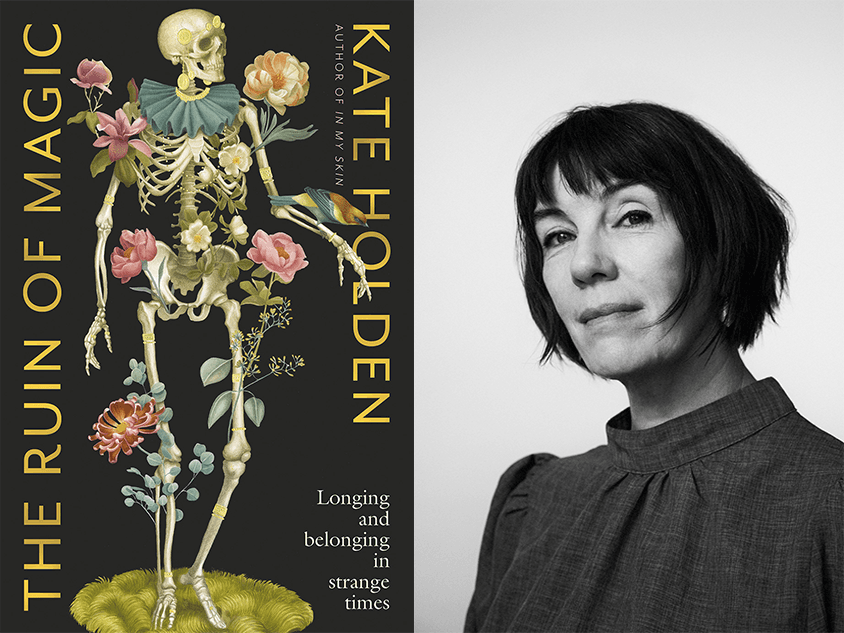
This is an edited extract from "The Ruin of Magic" by Kate Holden, published by Black Inc.
Last year the Australian National University (ANU) was getting some bad press, so they engaged a company called Bastion Reputation to help with the media fallout from restructures and the heavily criticised leadership of its Vice Chancellor, Professor Genevieve Bell. The meeting cost $6,000, which is more than ANU paid me for a full semester of tutoring in 2023. According to a response to an FOI request, the meeting did not warrant any notetaking and was “not significant”.