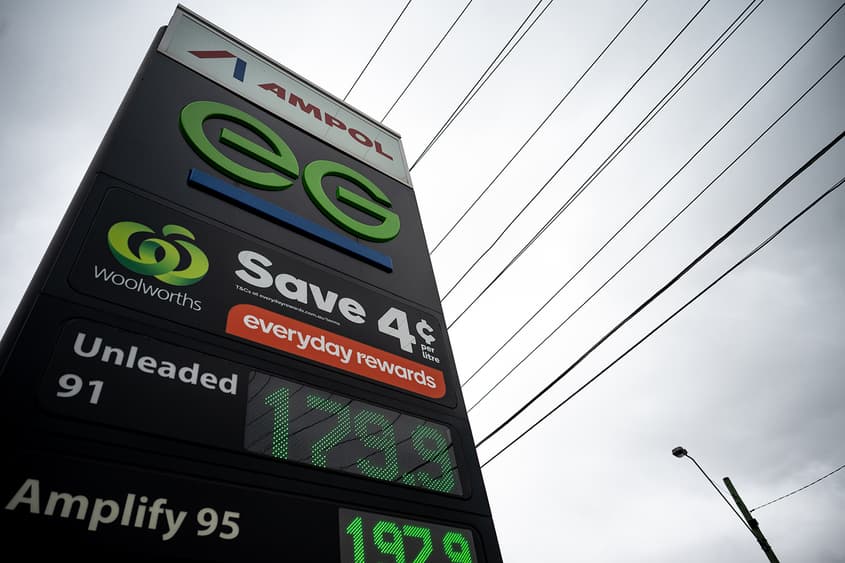
The Albanese Government’s omnibus ‘Combatting Antisemitism, Hate and Extremism Bill’ includes the most significant reforms to Australia’s gun control laws since 1996.
Mon 19 Jan 2026 13.00
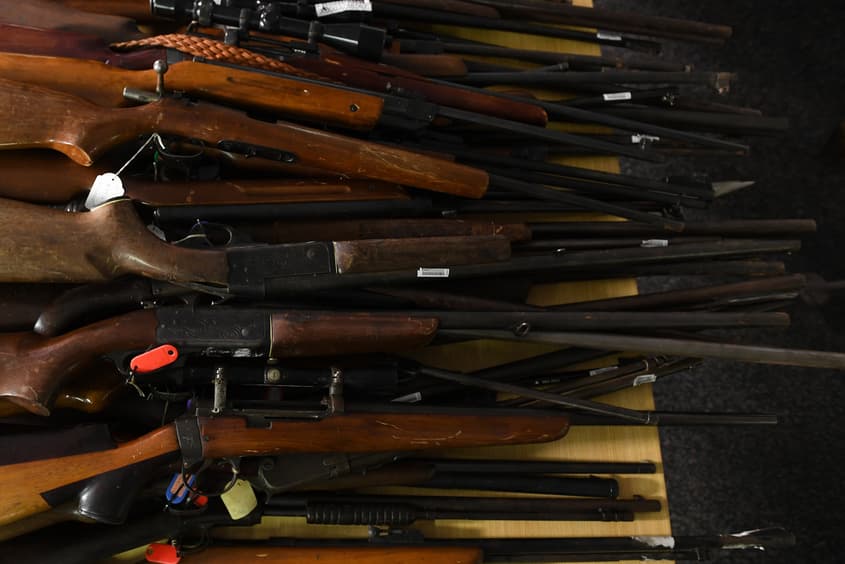
Image: AAP/Dean Lewins


The Albanese Government’s omnibus Combatting Antisemitism, Hate and Extremism Bill includes the most significant reforms to Australia’s gun control laws since 1996.
These elements are set to be split from the other, more contentious, aspects of the bill.
After the Port Arthur massacre in 1996, the Howard government organised the National Firearms Agreement, which significantly strengthened Australia’s gun control laws. The NFA introduced a ban on semiautomatic assault rifles like those used at Port Arthur, tightened licencing rules and created a temporary buyback program for weapons that were made illegal.
However, advocates have warned for years about the limitations of the NFA. Some aspects of the NFA were never fully implemented, including a national firearm register and a ban on firearm licences for minors, while others have been slowly eroded through gun industry lobbying.
Last year, the Australia Institute released research which found that there were more guns in Australia than before the Port Arthur Massacre. Almost 45,000 have been stolen since 2004, which is the equivalent of one every four hours. This creates large pools of both legal and illegal firearms in the Australian community.
Following the Bondi massacre in December, the National Cabinet of state, territory and federal governments agreed to the most significant reforms to Australia’s firearm laws since 1996. These included commitments to:
Although most firearm laws are the responsibility of states and territories, this bill would fulfil the Commonwealth’s obligations under the agreement, including restricting the importation of rapidly reloading rifles and shotguns like those used at Bondi.
The federal provisions also set up mechanisms for background checks, and establishes the infrastructure for a new national buyback program, in which newly prohibited weapons could be voluntarily surrendered to state police forces, then destroyed by the Australian Federal Police.
Gun Control Australia president Tim Quinn told last week’s snap Senate inquiry he believes the gun control aspects of the Albanese Government’s legislation “would have significantly reduced the chances” of the Bondi massacre occurring.
Even if the gun reform laws proposed by the Commonwealth were passed, there would still be a lot of work to do at the state level. For example, while the Commonwealth can restrict the importation of the kind of rapidly reloading rifles and shotguns used in the Bondi massacre, it is the responsibility of the states to limit who can own these weapons, mainly to farmers (they’d previously been available to more than 95% of firearms licence-holders).
And while all Australian governments agreed to the measures approved by National Cabinet, that doesn’t mean everything is settled.
The Northern Territory, Queensland, and Tasmanian governments have all begun expressing hesitancy over the cost of a new national buyback, raising concerns that state governments could split on party lines over other reforms.
Even if all states and territories implement the full suite of reforms, there is more to be done. For example, while the NSW government passed what it labelled ‘the toughest [firearms] laws in the country’ last December, it remains dangerously easy to get a firearms license.
In NSW, the ‘genuine reason’ requirement needed to gain a firearms licence can be fulfilled by becoming a member of an Approved Hunting Organisations. But this list of Approved Hunting Organisations includes multiple groups with apparent far-right links, such as the Zastava Hunting Association.
According to an investigation by The Australian, several prominent Australian far-right nationalists are members of the Zastava Hunting Organisation, as was one of the perpetrators of the Bondi massacre. Also among the Approved Hunting Organisations, almost three years after an investigation by The Age first raised concerns about its status, is the avowedly white nationalist ‘Australian Natives Association’.
This is just one place where state-level firearm laws don’t match up to community expectations.
It’s promising, then, that National Cabinet has also agreed to renegotiate the National Firearms Agreement, a process that would hopefully see Australia’s firearms laws strengthened further.
But an even easier first step would be for all jurisdictions to fully comply with the provisions that already exist. Among other things, this would mean banning the use of firearms by under-18s and accelerating the creation of a National Firearms Register – both which Australians have been waiting for since they were included in the original NFA 30 years ago.
Advertisement
When Goorie and Koori poet Evelyn Araluen won last week’s $100,000 Victorian Prize for Literature, along with the $25,000 Indigenous Writing prize, she called on the Australian government to change the way it taxes arts prizes.

The Melbourne F1 Grand Prix has already delivered another bill for Victorian taxpayers. The discovery of asbestos contamination during works in Albert Park has left taxpayers on the hook for a costly clean-up, adding to the already eye-watering public subsidy required to host the race. It’s a fitting prelude to an event that has spent decades running up losses for the state, and months of noise and disruption for local residents.

Any war or bombings in Iran always brings with it a reflex thought of what will happen to oil prices and in turn how much we pay for petrol.