Earlier this week the Finance Minister and Minister for Women, Senator Katy Gallagher released the latest data of the gender pay gap by the Workplace Gender Equality Agency.
Fri 6 Mar 2026 22.00
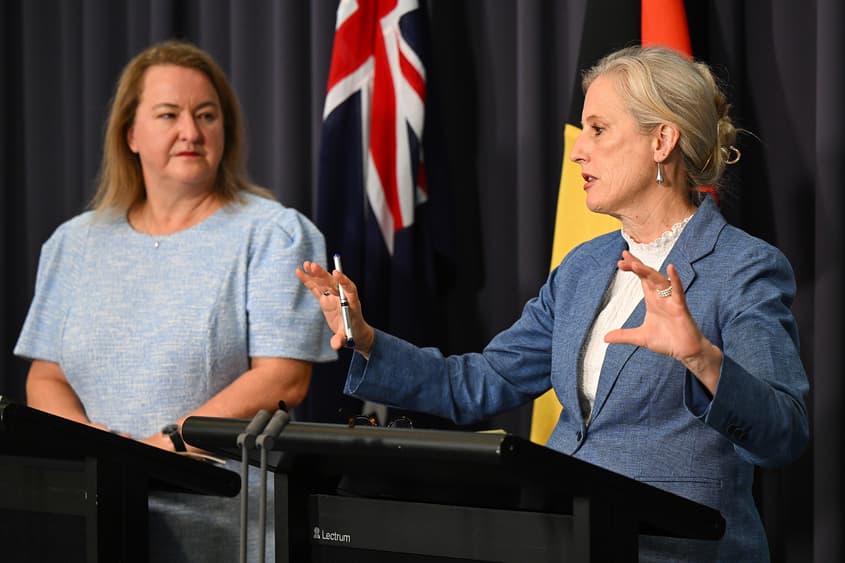
Photo: AAP Image/Lukas Coch


Earlier this week the Finance Minister and Minister for Women, Senator Katy Gallagher released the latest data of the gender pay gap by the Workplace Gender Equality Agency.
The WGEA announced that the gender pay gap had fallen to 11.2% . They use a different measure than the standard one of measuring the difference between the average or median weekly earnings of men and women . Instead they measure
“That 50% of private sector employers have an average total remuneration gender pay gap above 11.2% and 50% of employers have a gender pay gap lower than this point. This is known as the mid-point of employer gender pay gaps. This has reduced by 0.9pp in the past 12 months.
So is the “mid-point” of the gender pay gap, rather than the gender pay gap per se.
Even still this pretty much aligns with the traditional pay gap which has fallen slightly.
For full-time workers on ordinary hours (ie not including overtime) the gender pay gap is 11.5% (ie men earn 11.5% more on average).
For the total earnings of full-time workers (ie including overtime) the pay gap goes up to 14.5%. This is bigger because men are more likely to work overtime than women (or be offered overtime)
For all workers the pay gap is 27.7% and this has increased in the past 6 months (the gap is bigger than others because men are more likely to work full-time and so their average pay of all workers is higher)
But even these figures which show a general declining in the pay gap hide what is really going on.
The ATP provides the annual salary and wages for all occupations, and of 1,086 different jobs that have at least 50 people doing the job (and excluding apprentices) men have a higher average salary in 95% of them:
But the problem becomes bigger the higher the average salary. Of the 317 occupations where either men or women have an average salary of more than $100,000, men have a high salary in 312 of them (98%)
So yes, the average numbers look better, but we have a very long way to go.
Advertisement

Any war or bombings in Iran always brings with it a reflex thought of what will happen to oil prices and in turn how much we pay for petrol.
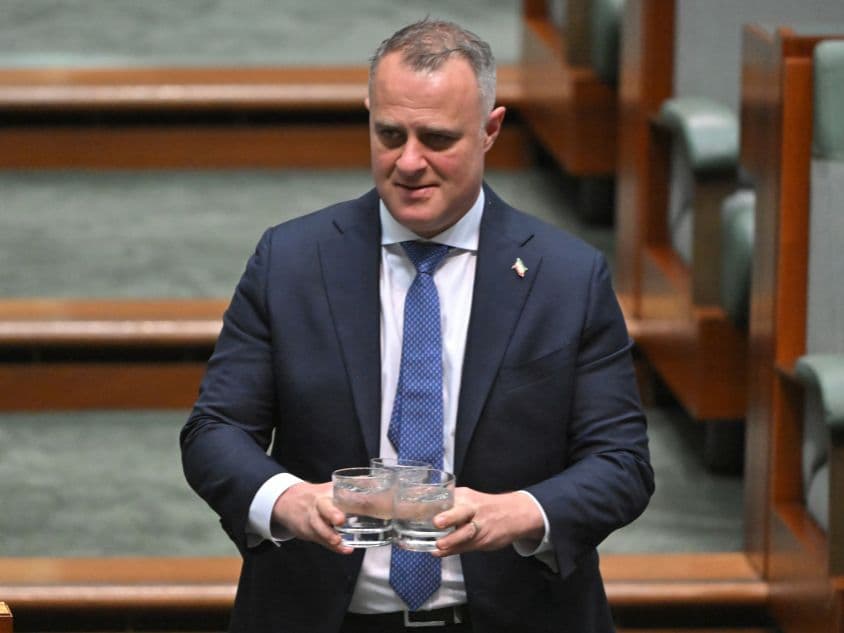
A fresh political battle is brewing over how Australia should fix the housing crisis, with Shadow Treasurer Tim Wilson arguing against changes to the capital gains tax (CGT) despite criticising the scheme in the past.
The claim that half of voters rely on the Government for 'most of their income' that has been repeated across the media and by politicians, simply isn't true.