Making a submission to a parliamentary inquiry is much more straightforward that you may think and is a great way to participate in our democracy. Here is a handy guide of what you need to know to make a public submission and tips on how you can make your submission more effective.
Wed 18 Feb 2026 01.00
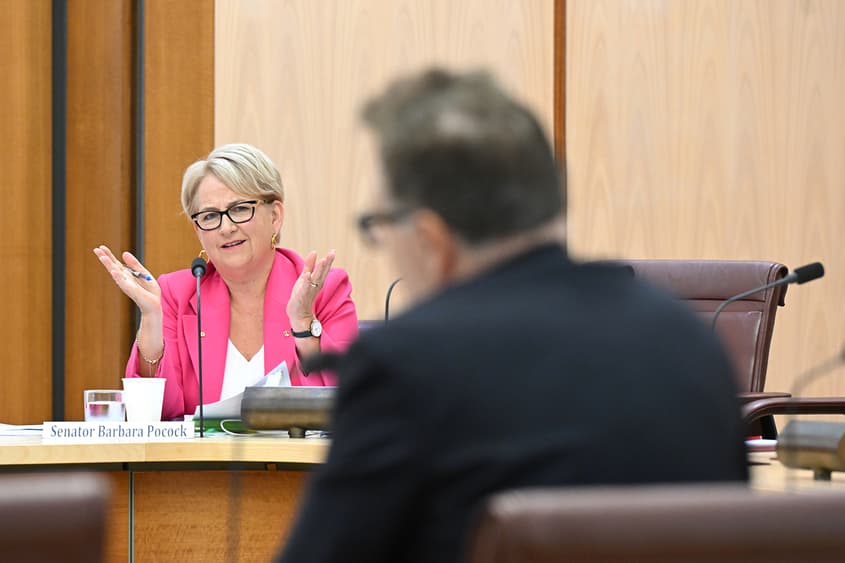
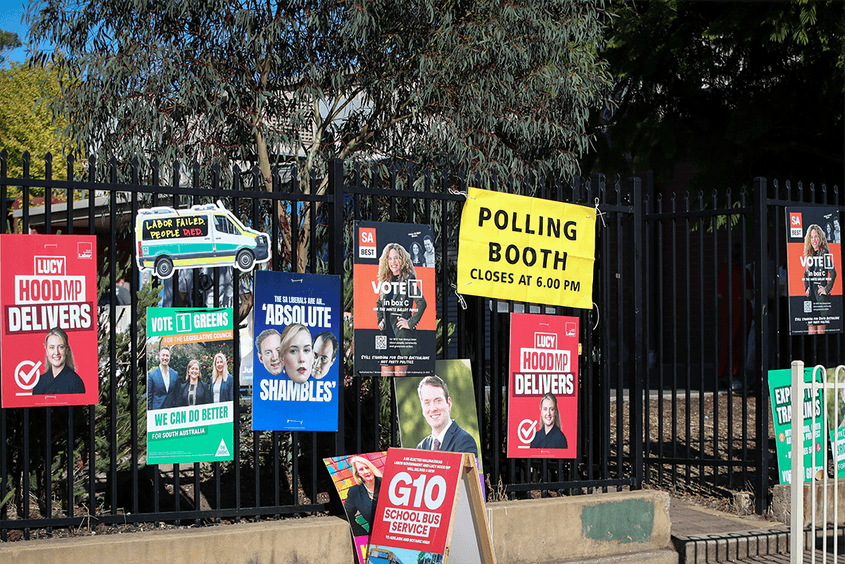
Photo: AAP Image/Lukas Coch


When your elected representatives (senators and MPs) want more information on an issue – anything from the algal bloom in South Australia or supermarket price-gouging to the harm done by gambling ads – they can hold an inquiry.
Sitting as a committee, the lawmakers ask for written submissions from experts and the general public as a way to understand what is happening. Some people are called to answer more specific questions at public hearings.
The inquiry concludes with the committee publishing a detailed report on their findings, often with ambitious policy recommendations.
You can think of the committee as the group of MPs who have been gathered to complete a group project and the terms of reference for the inquiry as what the group project needs to be about.
To that end, the inquiry report is like having to write a uni assignment, but the only sources the committee are allowed to use are the public submissions they have received, and evidence they have heard from the public hearings.
While the inquiry report won’t solve the problem by itself, it can:
Making a public submission to an inquiry is easy, but may feel intimidating if you have never done it before.
Making a submission is as simple as:
It is that easy.
That’s all you need to know to make a submission.
You can stop here.
The rest of this article just explains how to make a submission more effective.
Write in line with the “terms of reference”. These are the topics the inquiry is allowed to explore. There is usually a “catch-all”, very broad term of reference. That said, more specific terms of reference indicate topics of particular interest. Covering those could make your submission more useful.
A good submission usually includes recommendations. Since you’ve identified a problem, let the committee know what should be done about it. In short, all a ‘recommendation’ is, is what you think should be done.
For example, here are examples of recommendations from a recent Australia Institute submission:
Recommendation: The Parliament adopt truth in political advertising laws, based on the South Australian model.
Recommendation: Increase the number of parliamentarians, including the number of territory senators, in this term. If a 50% increase in the total number of parliamentarians is not feasible in this term, make progress towards that target.
Watch the deadline. You may be able to receive an extension, but you should ask first. Some larger inquiries may accept submissions months after the formal close date
A submission does not have to be for the majority of the committee. Even if a committee is dominated by MPs and senators who disagree with you, other committee members may prepare“additional comments” (which go further than the majority opinion) or “dissenting reports” (which contradict the majority opinion). Your evidence could be invaluable for them.
Ask the Secretariat if you have questions. The Secretariat are the parliamentary staff who support the committee. They answer the phone and process emails to the committee.
They might have been given instructions like “Give a seven-day extension to anyone who asks.” They may know what hearings are planned. They can help if you want to give confidential or defamatory evidence. They can explain why your submission hasn’t been published yet.
Choosing which inquiry to make a submission to
There are dozens of active parliamentary inquiries.
I would recommend making a submission to the inquiry into the 2025 federal election.
Everyone living in Australia experienced the election and therefore has something to contribute.
The committee has just extended the closing date for submissions to 28 February 2026, showing they are serious about getting more feedback from the public.
The terms of reference cover almost anything relating to democracy and the electoral process.
Complaints that the committee would want to hear about include:
You can read the Australia Institute’s submission on our website.
Or you can click here to see more details about the inquiry and make a submission.
For more details and hands-on advice, watch Bill Browne and Alice Grundy on the Australia Institute’s Policy School webinar, How to make a parliamentary submission and appear at an inquiry
Last night, the Australian Prime Minister had the chance to face reality. His address to the nation was a recognition that Australians are deeply worried about the state of the world – as they should be. What the prime minister did not say is that this trouble lies at the feet of the President of the United States.

Advertisement
Australia’s “two-party system” looks uncertain, and in South Australia it would be fair to say it has ceased to exist altogether with the far-right minor party, One Nation, winning more votes and about as many seats as the Liberal Opposition.
Energy security is national security. And for all the posturing from conservatives about “seeing Mad Max levels around the country right now” (whatever that means, the LNP’s Phil Thompson), they did this.