Since launching Australia's first dedicated whistleblower legal service in 2023, we’ve heard from hundreds of whistleblowers wanting to speak up about corruption, corporate misconduct, human rights abuses, environmental damage and other wrongdoing.


Thu 12 Feb 2026 01.00
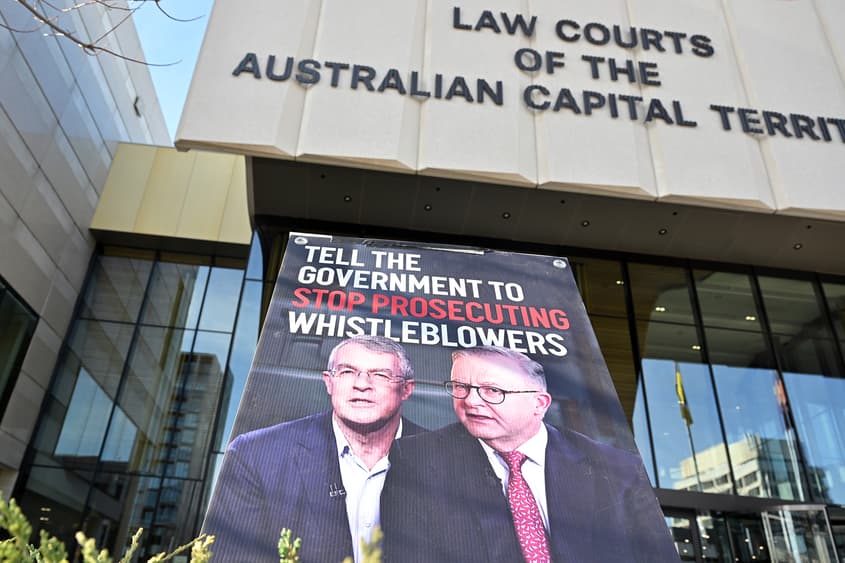
Photo: Supporters of jailed whistleblower David McBride hold banners and signs outside the ACT Supreme Court in Canberra, Wednesday, May 28, 2025. (AAP Image/Mick Tsikas)


Since launching Australia’s first dedicated whistleblower legal service in 2023, we’ve heard from hundreds of whistleblowers wanting to speak up about corruption, corporate misconduct, human rights abuses, environmental damage and other wrongdoing.
Our clients are a profile in courage, but too often they come to us with understandable trepidation. High-profile recent examples of whistleblowers facing prosecution and lawsuits have painted a grim picture of the risks of speaking up, leaving prospective whistleblowers troubled by the seemingly high-price paid for exposing the truth.
There is little doubt that Australians are better off for the actions of whistleblowers in exposing wrongdoing; Robodebt, the PwC tax scandal, oil spills and dead dolphins, institutional abuse in youth detention, NDIS overhauls, the list goes on.
These headlines draw our collective outrage and prompt us to ask, what went wrong?
But for most people, the question of what you would do if you went to work tomorrow and saw something wrong, does not come up until it happens to you. How does information about wrongdoing get brought to light before devastating harm occurs?
Australia’s whistleblower protections are scattered across a complex and inconsistent patchwork of at least 17 different laws at the federal and state and territory levels.
Behind the headlines of whistleblower prosecutions and national scandals, our experience advising whistleblowers has revealed the systemic impact of broken laws, which make it difficult to safely and lawfully get information about wrongdoing to a place where it may be addressed.
The Whistleblower Project’s data from our first year of operation showed that whistleblowers come from all walks of life, and their experiences are not so dissimilar to most Australians; far removed from allegations of war crimes and spying on foreign governments in recent high-profile cases.
The four industries of healthcare, education, disability services, and aged care, together made up over 40% of our clients.
In these industries, where harm is more likely to be perpetrated behind closed doors, whistleblowing laws are even more critical to safety. However, a common factor in these sectors is overlapping and inconsistent legislation and substantial gaps in coverage. This is owing to the partial privatisation of these industries, complex corporate structures of private providers, and mandatory reporting laws that are poorly integrated with whistleblowing laws in most jurisdictions.
Every one of our clients in the healthcare industry who had made a whistleblowing report before seeking legal assistance from us suffered some form of retaliation for their whistleblowing. We also see a correlation between income and retaliation across the board, where whistleblowers are more likely to suffer retaliation the less they earn.
The complexity of whistleblowing laws in these sectors, compounded with the multiple factors that limit the ability of whistleblowers to enforce protections (such as income and access to legal assistance) does not just have implications for the whistleblower’s individual experience – it is ultimately the public that suffers from a lack of transparency and accountability. In care and education sectors, the cost of silence is even more profound.
Far away from health institutions and aged care homes, federal parliament has seen countless inquiries and reports recommend comprehensive reforms to Australia’s whistleblowing laws.
Australia’s private sector whistleblowing laws were overhauled in 2018-2019, and are the nation’s best – even if they are beginning to show signs of age. After being enacted in 2013, Australia’s federal public sector laws are very much worse for wear, while piecemeal reforms in the interim have done very little to improve the experience of whistleblowers who speak up. At the state and territory level, whistleblowing laws have fragmented without a best practice model.
Treasury’s statutory review of the major private sector whistleblowing laws was due to commence as soon as possible after 1 July 2024. The federal public sector whistleblowing law is still awaiting reform following a consultation process back in 2023.
Last year, a private member’s bill proposing a Whistleblower Protection Authority to oversee all federal whistleblower laws and support individual whistleblowers was considered by a senate inquiry. In countless written submissions and in its public hearing, the committee heard from whistleblowers on the cost of their whistleblowing. Robodebt whistleblower Jeannie Blake told the room “we’re left here on a scrapheap, paying the high price for our sacrifice – a sacrifice that I made in the public’s best interest”. For now, the government has only agreed to consider improved institutional support for public sector whistleblowing – through a Whistleblower Ombudsman.
The time for action is now. The ongoing delays torment those who are losing their jobs, livelihoods or simply remaining silent due to a lack of protection and support. When whistleblowers don’t speak up, everyone suffers.
Australia’s whistleblowers are doing their public duty, and the government has a similar duty to deliver just and swift reforms.
Madeleine Howle and Kieran Pender are lawyers at the Human Rights Law Centre Whistleblower Project, Australia’s only specialist legal service for whistleblowers.
Advertisement
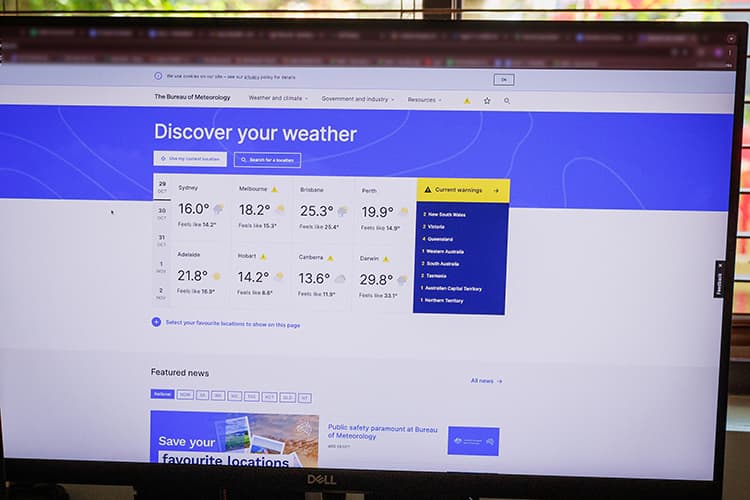
The consulting firm behind the Bureau of Meteorology’s (BoM) heavily criticised website has been awarded another multi-million-dollar government contract to build a new climate platform.
The easiest way to understand the structural shift taking place in Australian politics is to understand that you can now win a landslide majority of seats in parliament even when your primary vote declines.
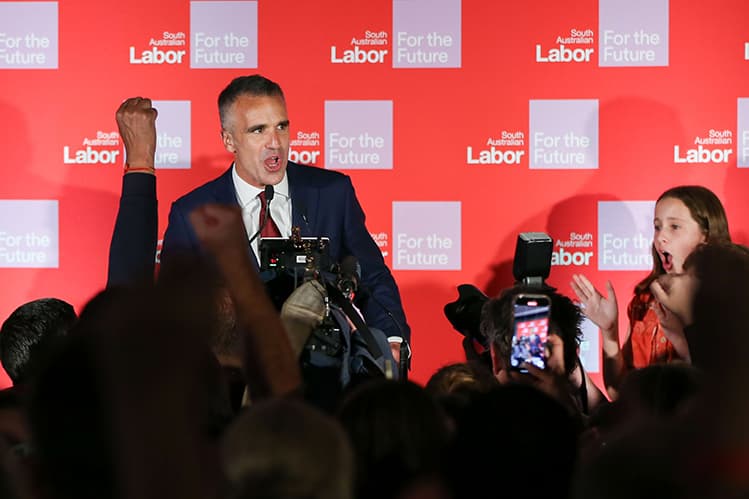
On Saturday, South Australians voted decisively to re-elect the first-term Malinauskas Labor Government. While we don’t know exactly how the 47 lower house seats will fall, Labor will have a super-majority having won about 35 seats.