A new High Court case is set to challenge the constitutionality of Australia’s political donation laws. It is the third such case currently on foot, and if successful it could help level the playing field for independents and minor parties.

Thu 12 Feb 2026 01.00
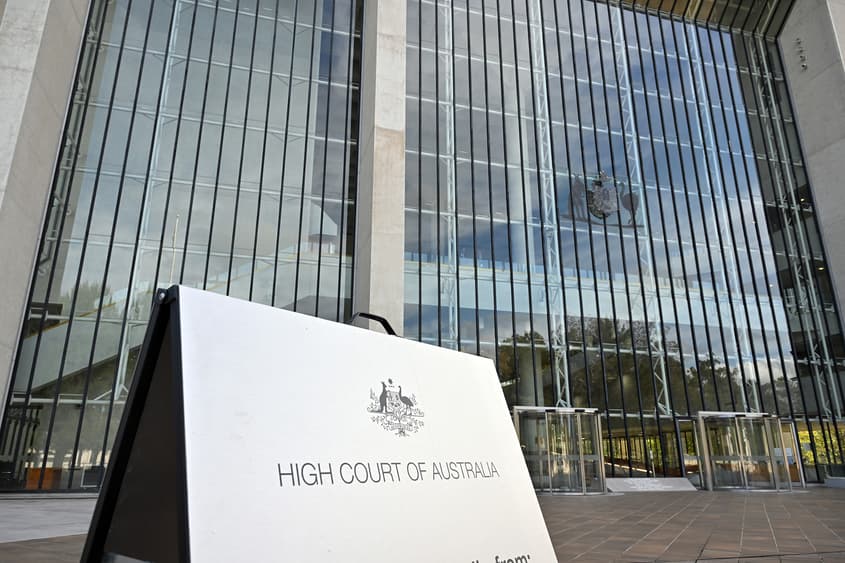
Photo: AAP Image/Mick Tsikas


A new High Court case is set to challenge the constitutionality of Australia’s political donation laws. It is the third such case currently on foot, and if successful it could help level the playing field for independents and minor parties.
The first and most advanced of the three challenges comes from Paul Hopper and Melissa Lowe, who ran as independent candidates in the Victoria’s 2022 state election. Their argument is that Victoria’s strict donation caps limits independent and minor party fundraising, but allows the Labor, Liberal and National parties to take uncapped money from their fundraising arms. The High Court heard their arguments last week, and the plaintiffs are awaiting a judgement that will decide the rules for this year’s state election.
Mr Hopper and Ms Lowe had a coup before the court hearings even began when the Victorian Government admitted to the court that the state’s donation laws are unconstitutional. The Victorian Government has proposed reforms to head off Mr Hopper and Ms Lowe’s constitutional challenge, but there is no guarantee they can get the changes through Parliament – and it is not clear that the changes would be enough to make the laws constitutional anyway.
The second challenge to political donation laws in Australia comes from two former parliamentarians: Zoe Daniel, the former independent MP for the Melbourne seat of Goldstein, and former South Australian senator Rex Patrick. Their issue is federal campaign funding laws that were rushed through Parliament last year by the Labor and Liberal parties. These laws increase taxpayer funding, most of which will go to the major parties, and impose federal donation and spending caps for the first time.
Ms Daniel and Mr Patrick’s first argument is that the spending cap – of $800,000 per seat – will place a heavy burden on independent candidates, but be trivial for candidates from established political parties. While independents can only ever spend $800,000, a party could spend millions of dollars promoting itself as a party (as opposed to the individual candidate running in the seat) without breaching the per-seat cap.
Their second argument is that the $50,000 per year donation cap (per person or corporation) only applies to independents and political parties with just one branch. A party with eight branches, like the Liberal and Labor parties, can exploit the cap eight times to accept $400,000 per donor per year.
The third case is against the same laws that Ms Daniel and Mr Patrick are challenging, but it comes from mining billionaire Clive Palmer, a rather different politician. Mr Palmer held a press conference at Parliament House to announce his case.
He argues the recently-passed laws go against the implied freedom of political communication in the Constitution because it limits the ability of political candidates to raise private money to communicate with voters. He claims there is a distinction between private money (including the $53 million he poured into the campaign for his Trumpet of Patriots party during the 2025 federal election … without electing anyone) and the tens of millions of dollars in public money that the major parties receive.
The political fates of all three cases will turn on whether Australia’s political donation laws are proportionate and reasonable.
It’s hard to feel sorry for Mr Palmer after he has spent hundreds of millions of dollars on Australian elections since this is out of all proportion with the public support his parties have received. But Mr Pamer is correct that Australia’s electoral laws unfairly benefit the major parties, and his case is much more likely to success on that basis than because billionaires like him are getting a raw deal.
It is possible for Australia to have a fairer political donation system. A fair system would include limits on what millionaires and billionaires can spend in attempts to gain outsized political influence. But it would also enable new entrants to compete against established parties and sitting MPs on an even playing field. And if it capped spending, it would do so in a way that is equitable to independent, minor party and major party candidates alike.
Instead, the current system leaves major parties free to spend much as they always have, while restricting challengers from getting their message to voters.
Bill Browne is the director of the Australia Institute’s democracy & accountability program.
Advertisement
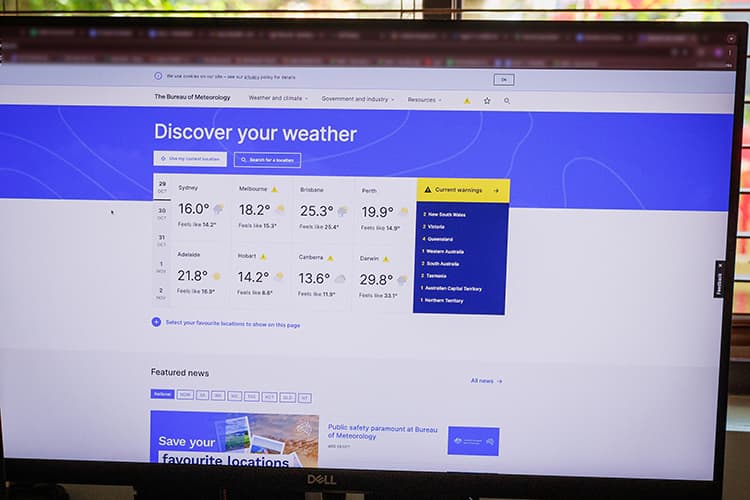
The consulting firm behind the Bureau of Meteorology’s (BoM) heavily criticised website has been awarded another multi-million-dollar government contract to build a new climate platform.
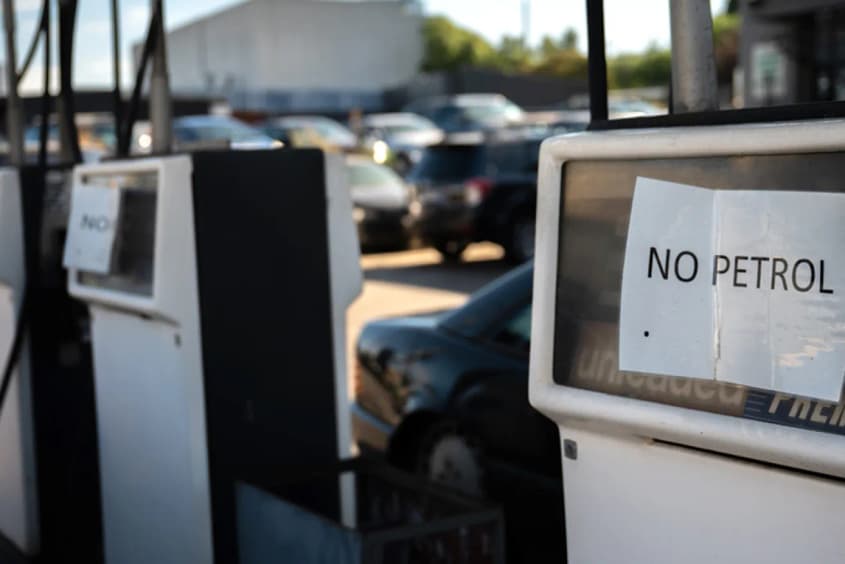
The easiest way to understand the structural shift taking place in Australian politics is to understand that you can now win a landslide majority of seats in parliament even when your primary vote declines.
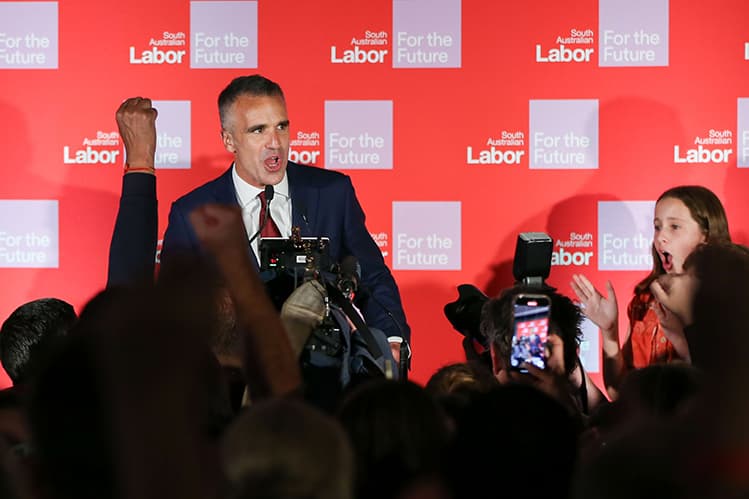
On Saturday, South Australians voted decisively to re-elect the first-term Malinauskas Labor Government. While we don’t know exactly how the 47 lower house seats will fall, Labor will have a super-majority having won about 35 seats.