The gas export industry has been free riding off Australians for decades.
Mon 23 Mar 2026 09.00
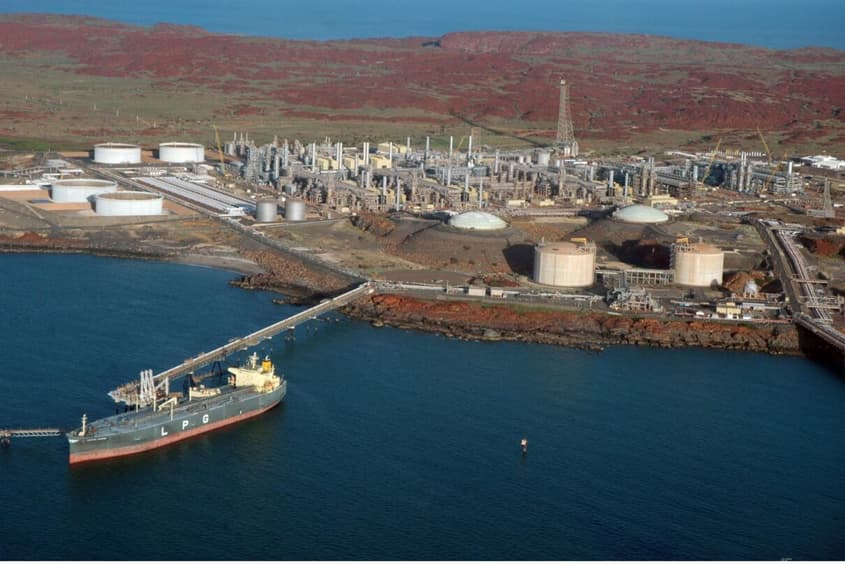
Image: AAP/Rebecca Le May


The Commonwealth Government gets more revenue from beer excise than it gets from its so-called Petroleum Resource Rent Tax (PRRT).
Indeed, uni students repaying their HECS debts pay more each year for their university degrees than the gas export industry pays in PRRT. These facts are not in dispute. They come straight from government budget papers.
When gas prices spike upwards, the Saudis, Qataris and Norwegians feel rich, making a fortune from their exports. But in Australia, Australians pay more for our own energy instead, while Australian governments give away most exported gas for free. No royalties paid, no PRRT.
The export gas industry’s lobbyists and PR staff work hard to make this simple truth seem complicated, but the budget papers, Tax Office data and even a careful reading of the export gas industry’s claims make clear that Australian’s have much to gain and nothing to lose from introducing a gas export tax
As the name suggests, a gas export tax is only applied to gas exports. It won’t increase the price of gas sold in Australia as, by definition, gas sold to Australian households and industry is not exported.
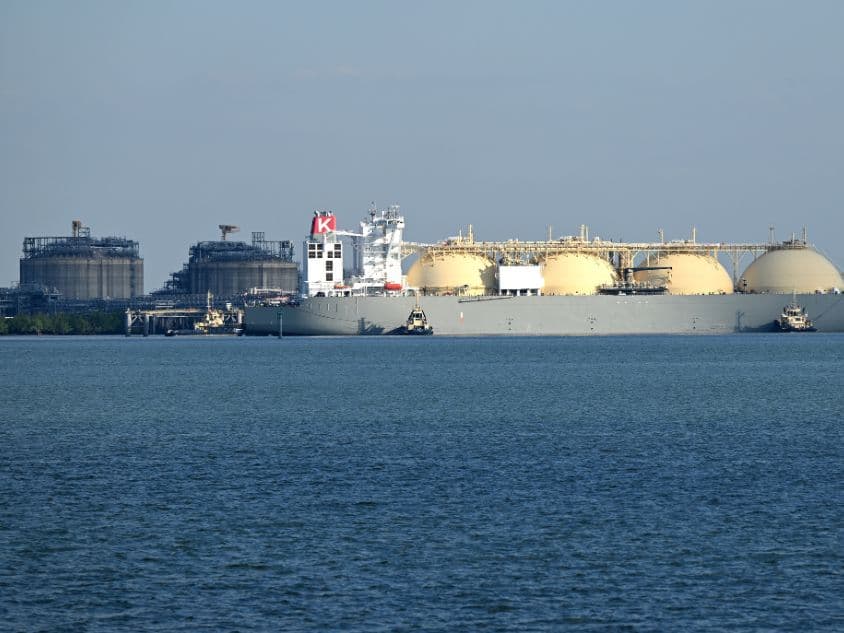
80% of Australian gas production is currently exported from Australia. Indeed, more gas is used by the gas industry to process gas into liquified natural gas (LNG) for export, than all of the gas used by Australian manufacturers. Introducing a gas export tax will give the gas industry an incentive to avoid tax by diverting gas away from exports and towards Australians. In short, a gas export tax will increase the amount of gas supplied to Australians.
A gas export tax will push gas prices down in Australia.
Gas companies like to avoid tax, and a gas export tax is easy to avoid by not exporting so much gas.
A 25% gas export tax could see Australian wholesale gas prices fall by up to 25% as gas exporters compete with each other to avoid paying the export tax by diverting supply to the untaxed Australian market.
Increased supply to the domestic market will lower prices and end the farcical situation where Australians were told that they had a ‘gas shortage’ while simultaneously being one of the worlds largest gas exporters.
The introduction of a gas export tax would reduce the after-tax profits of existing gas contracts but would not require any gas contracts to be ripped up or rewritten. Given the surge in gas prices, many long-term contractors will still be more profitable after the 25% tax is paid than they were when the contracts were signed.
Governments in Australia and around the world change tax and other policy settings all the time. For example, the Queensland Government recently significantly increased its coal royalties without triggering a collapse in coal exports.
Importantly, a large quantity of Australian gas is sold on the ‘spot market’, that is, without a long term contracts to supply to a specific customer. Indeed, more ‘uncontracted’ gas is exported each year than all the gas used by Australian households, industry and electricity generation combined.
While a gas export tax would apply to all gas exports, it is important to understand that there is no domestic or international law impeding the ability of a country like Australia to change the tax regime on one of its natural resources.
In short, no.
First: world gas prices are significantly higher today than they were back when many of Australia’s biggest gas projects were commenced, so the idea that our gas industry would not be viable if they had to pay a 25% tax is demonstrably untrue.
Second: the gas industry is one of the most profitable industries in the world precisely because the prices it receives are so much higher than their costs of production.
Third: according to the International Energy Agency, United Nations and climate scientists, keeping climate change below 1.5 degrees requires no new gas or coal investment. In other words, stopping investment in new gas production is a desirable outcome. The climate science makes clear it is time for Australia to maximise the amount of tax it gets from existing gas production rather than use low gas taxes to maximise the amount of gas we export to other countries. Were a 25 percent gas tax to lead to no new investment in a product that generates enormous ‘negative externalities’ that would be an economically efficient outcome. Relatedly, if the only way to ensure that new gas projects are built in Australia is to give them free gas then what is the benefit to Australia of such projects?
To be clear, as a gas export tax will divert gas from foreign customers to domestic customers it will lead to an increase in gas supplied to Australians, not a reduction. Australia does not need new gas projects to meet its expected demand for gas, it needs only to divert a small percentage of its exports to Australians.
A 25% gas export tax as proposed by the Australian Council of Trade Unions (ACTU) would generate up to $17 billion per year. At present the PRRT generates less than $2 billion per year.
The Albanese Government often talk about how it has recently reformed the PRRT but these changes were minor and the Commonwealth budget papers make clear that this newly modifies PRRT still generates far less revenue than beer excise or HECS repayments.
Yes, repeated opinion polls show that around 75% of Australians support the introduction of a 25% gas export tax, with support for such a tax being highest among One Nation and Greens voters.
The Australian Tax Office describes the gas industry as “systemic non-payers of tax”. Many gas companies pay no company tax and no PRRT. Santos Limited, for example, has not paid any company tax on $47 billion in sales over ten years.
Wars in Ukraine and now in Iran have caused energy prices to spike and huge windfall profits for the gas industry. Some of this windfall has seen gas companies pay higher-than-usual levels of company tax. Even including this increase, on average, Australian teachers and nurses each pay more in income tax than the gas industry pays in company tax and PRRT.
Right now, right across the country, communities are being forced to come to terms with the rapidly escalating frequency, intensity and cost of climate disasters.
Advertisement

New South Wales is the first state in Australia to ban new coal mines. The State Government announced on Friday that it will no longer consider applications for new mines or allow new coal exploration, while extensions to existing mines will still be considered.

When Russia invaded Ukraine, it triggered something far less discussed in Australia: one of the biggest unplanned gas export profits in modern history. Gas prices spiked. Exporting companies made off like bandits. Australians failed to reap any benefit from our exported gas price spike