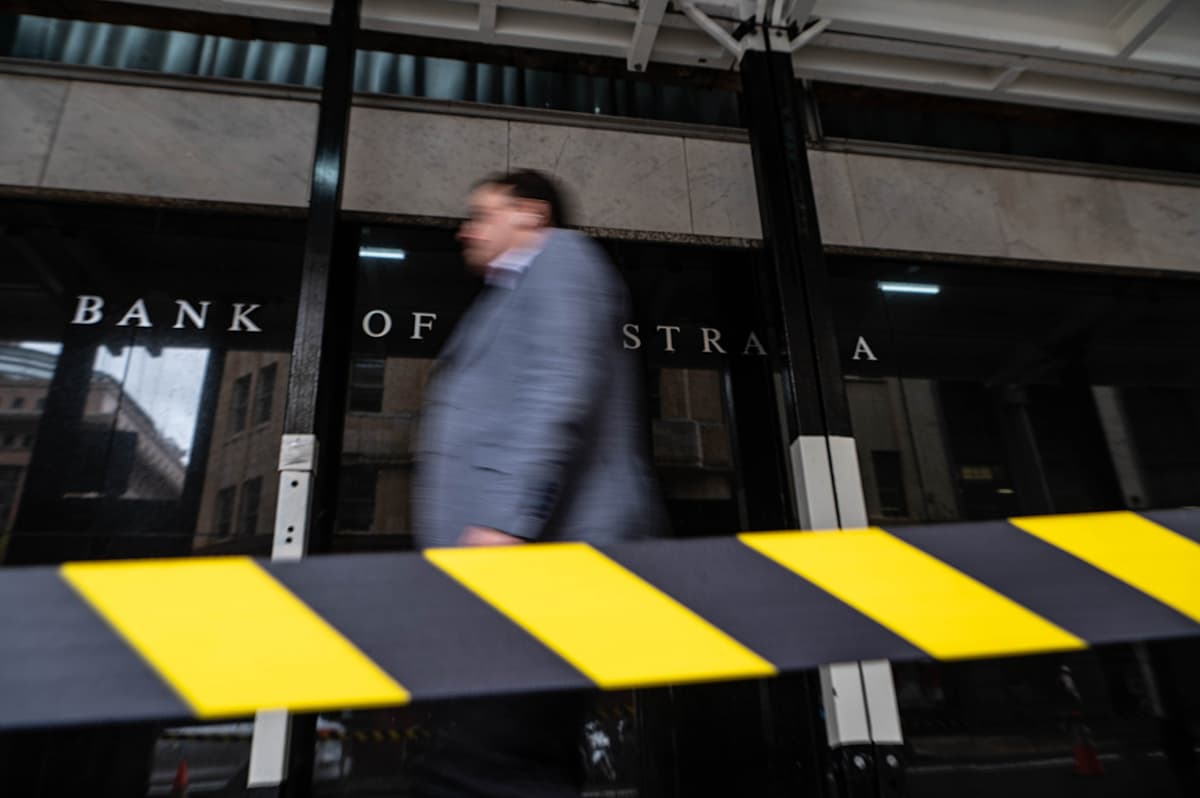
At 2:30pm, the Reserve Bank is almost certain to raise the cash rate to 4.6%, the highest it has been since November 2011, when the RBA cut the cash rate from 4.7% to 4.5%. It will be the act of a central bank hostage to old thinking and an inability to react to supply shocks.
If you are wondering why it is almost certain that the RBA will raise rates today, a large reason is that everyone thinks it is almost certain.
As of yesterday, the market was pricing in the odds of a rate rise at around 92%, and the RBA, as a rule, never goes against such odds – doing so upsets the markets, and gosh, we can’t have that:
For now, the market also anticipates another rate rise by early next year and a good chance of another one by this time next year. Although just 6 months ago, the market wasn’t even sure that there would be any more rate rises at all:
So, what has changed?
What data has been released suggesting we need to go from no more rate rises to maybe 3 more to “tame” inflation?
Inflation?
The most recent monthly figures were released on 26 August. They showed that the Consumer Price Index (CPI) in the year to July rose 3.5%, down from 3.8% in June. And yes, underlying inflation was steady at 3.6%, and both measures are above the RBA’s target range of 2% to 3%. But this was not the reason why rates are going to rise. When this data was released, the market only anticipated a 46% chance of a rate rise – less than a coin flip.
So, what was it that made it so certain?
Wage growth?
The most recent wage price index figures were released a week after the RBA’s last meeting. It showed that private sector wage growth slowed from 3.4% last December to 3.2% in March to 3.1% in June.
So no, wages are not speeding up, nor do they need to be slowed. They already are.
Unemployment?
A day after the wage figures came out, the July unemployment figures showed unemployment rose to 4.5%, and then a month later the August figures showed it rising again to 4.6%. That is now half a percentage point higher than it was in January – equivalent to around 87,000 more people unemployed.
So, no, unemployment is not falling and not showing evidence of a tight labour market.
GDP growth?
A few weeks after the last meeting, the June quarter GDP figures showed the economy grew just 0.4% in the quarter and 2.1% in the past year. In the first half of this year, the economy grew just 0.7% – less than half the long-term average and at an annualized rate of just 1.4%.
That is quite pathetic.
So no, the economy is not overheating.
So, what is it?
Donald Trump