SA Premier Peter Malinauskas says a new gas project in Narrabri, NSW is needed to firm up SA’s electricity supply.
Thu 2 Oct 2025 14.58 AEST
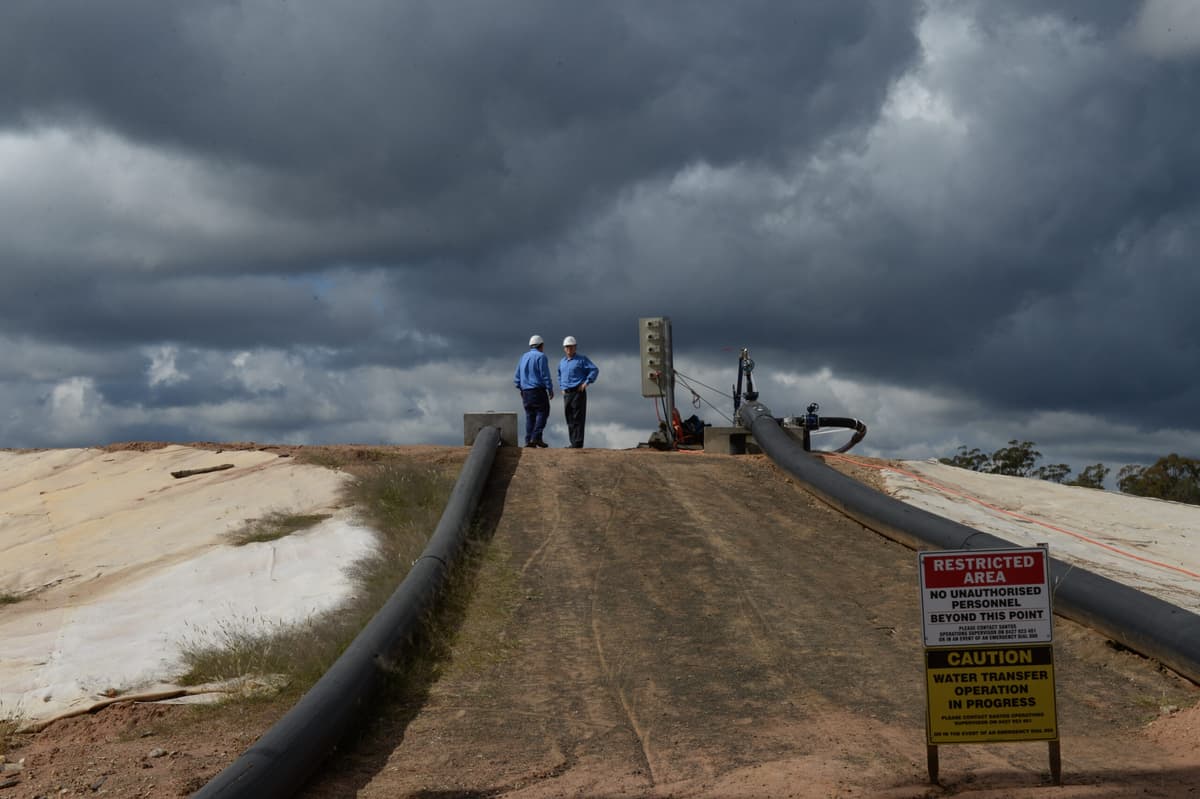
Photo: AAP Image/Dean Lewins


South Australian Premier Peter Malinauskas has reportedly told an event sponsored by the gas lobby that a new gas project in Narrabri, NSW, is needed to firm up his state’s electricity supply:
The equation is simply: without gas there is no firming of our electricity system and without firming, there are no renewables.”
He elaborated: “The eco-purists that fill Instagram with screeds demanding an end to gas production should be careful what they wish for. And for the rest of us: are we going to let our energy policy be determined by the socials, or the science?”
“My support for gas is underpinned by my support for the achievement of net zero.”
This is a similar line to the one often used by Prime Minister Anthony Albanese and Energy Minister Chris Bowen, suggesting Australia needs more gas to underpin the nation’s electricity supply. But is this right?
Do we need the Narrabri Gas Project?
No. The Narrabri project is proposed by Santos, a company that aims to increase Australian gas prices. This project would frack the ecologically sensitive Pilliga Forest and produce some of Australia’s most expensive gas, according to research by government regulators and The Australia Institute.
Claims of gas shortages without Narrabri have been around for at least a decade and they just never come true. All kinds of political shenanigans have gone into supporting this project including the NSW Government hiring Howard-era climate villains to help cook its books.
Advertisement
Does Australia need new gas projects at all?
Australia exports five times more gas than is used domestically, most of it royalty-free. Even then, there is enough uncontracted gas to comfortably supply all of Australia’s domestic and manufacturing needs.
Australia Institute analysis shows that so-called shortages are the result, not a shortage of gas coming from underground.
Exporting gas has led to higher prices for Australian households and businesses.
Does Australia need more gas to ‘firm’ renewable energy?
Renewable energy is generated by sun and wind and so it is necessary to find ways of storing it or backing it up with other forms of generation. Gas-fired generators do currently play a role in firming renewable generation.
But this won’t always be the case. Gas demand for electricity has more than halved over the last decade as renewables have increased. Australia Institute research has outlined how the nation’s electricity system can transition to 100% renewable energy by developing energy storage like batteries and hydroelectricity, improving interconnection of the electricity network and using ‘demand response’ programs that adjust electricity demand to match with supply. And, according to CSIRO, batteries are cheaper than gas for firming renewable energy.
Mr Malinauskas is wrong on multiple fronts. The Narrabri project is not necessary, nor are any new gas projects in Australia.
Australia has more than enough gas, any claimed ‘shortage’ is caused by excessive exports. And while Australia does use gas to firm electricity, as a nation we do not need more gas projects for this, and there is a future where Australia can do it entirely with renewables.
And if gas is as necessary as Mr Malinauskas claims, you would think that the government wouldn’t be giving it away to multinational companies for free.
Advertisement

