Fact check: Is NSW going to have blackouts?
The claim: “Blackout risk: Grid ‘not ready’ for coal plant closures, solar surge”
Tue 9 Dec 2025 00.00
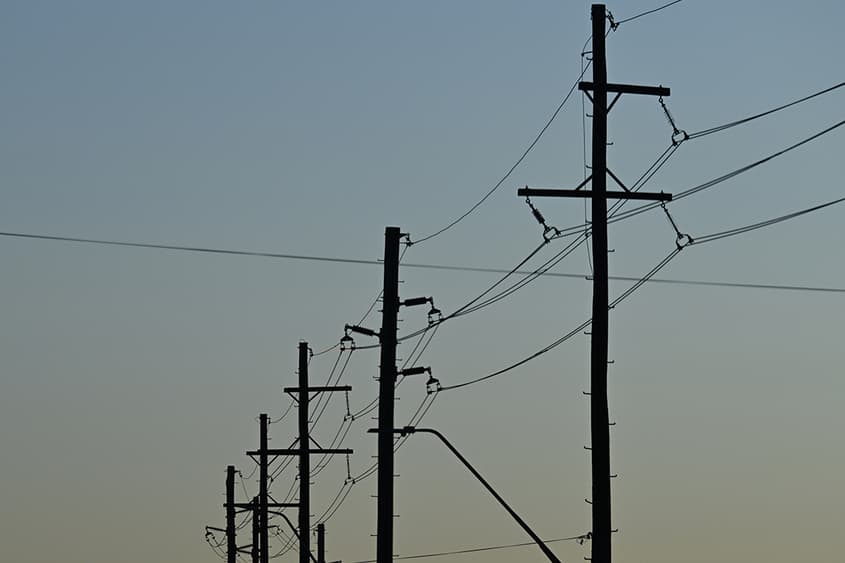
Photo: AAP Image/Dean Lewins


The claim: “Blackout risk: Grid ‘not ready’ for coal plant closures, solar surge”
The Sydney Morning Herald used this headline on December 1, and the ABC ran a similar story, covering the release of the Australian Energy Market Operator (AEMO)’s latest report on the future of the electricity system, titled 2025 Transition Plan for System Security.
Let’s talk about “blackouts”
AEMO’s report is 154 pages long and contains the word “blackout” just twice, on pages 19 and 21. AEMO’s media release does not include the term at all.
By contrast, the SMH headline includes “blackout”, as do the first, second and 12th paragraphs of the story. The ABC story has “blackout” in the summary and first paragraph.
According to AEMO, its system security report is intended to identify “actions needed from transmission network service providers, market participants, governments and AEMO… to keep Australia’s main power system stable and secure.”
In other words, the point of the report is to highlight issues in the electricity system. While it highlights issues that need to be addressed, it does not suggest there is an imminent risk of blackouts.
“Not ready”
The SMH headline includes “Grid ‘not ready’ for coal plant closures”, with quote marks around ‘not ready’. This implies that AEMO has used these words, but ‘not ready’ does not appear in AEMO’s report, media release or in any of the quotes printed in the SMH story. The ABC uses the term in its headline, summary and first paragraph, but without quotation marks.
The unresolved issue that the AEMO report identifies is that the Eraring Power station is scheduled to close in August 2027, but a new “synchronous condenser” that keeps renewable electricity flowing consistently, is scheduled to come online only in 2028.
So rather than an immediate risk of blackouts, AEMO has identified that in 2027-28 a gap of some months exists when there will be enough electricity generated, but the facilities required to ensure its smooth operation may not have come online. The AEMO report then outlines what the relevant parties are doing in relation to these unresolved issues.
Conclusion
The transition to renewable electricity has plenty of technical, economic and political challenges. AEMO have highlighted, not for the first time, an issue of concern 18 months into the future. Without downplaying that issue, it is misleading for media reports to suggest that AEMO’s research shows the grid is “not ready” let alone that blackouts are likely.
AEMO’s publications are often poorly reported and manipulated. While these stories relate to its latest electricity report, its gas supply reports are routinely misrepresented by the gas industry as somehow demonstrating that Australia has a gas shortage.
Verdict: Not true
Related Articles
Government urged to reconsider changes to EV incentives amidst global fuel volatility
The Albanese Government is being urged to rule out changes to the Electric Car Discount in the May budget, as global fuel volatility intensifies pressure to ease the cost of living.