Environmental reforms rushed through parliament at the end of last year in a deal between Labor and the Greens were welcomed as a “net positive for the oil and gas sector,” according to a senior government bureaucrat.
Late last year the Albanese Government passed reforms to the Environment Protection and Biodiversity Conservation Act (EPBC Act) after striking a deal with the Greens, five years after an independent review of the country’s nature laws was led by Graeme Samuel, a professor at Monash University’s Business School.
Among the reforms were provisions to create a federal environmental protection agency and national environmental standards. Under the deal with the Greens, coal and gas projects would be excluded from the fast-tracked 30-day approval process for new developments.
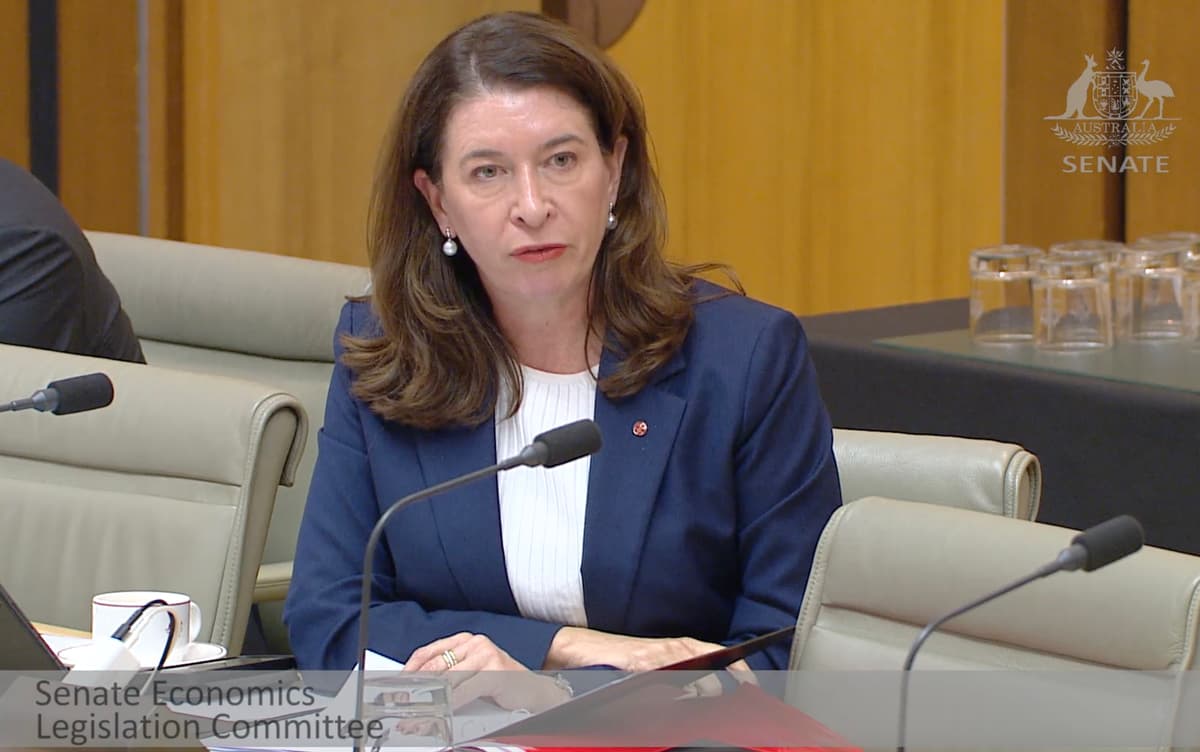
In an appearance before the Senate Economics Legislation Committee on Thursday night, Meaghan Quinn, departmental secretary at the Department of Industry, Science and Resources (DISR), said it was her understanding fossil fuel producers had welcomed the change as “superior” to the previous system.
Quinn, appearing alongside Labor Industry Minister Tim Ayres, was asked by Coalition Senator Susan McDonald about whether her department had supported the decision by government to remove gas producers from the 30-day fast track process.
“So our assessment was that the reform is a net positive for the oil and gas sector,” Quinn said.
DISR did not have responsibility for writing the legislation, Quinn said, but was involved through an “extensive process” of consultation on “all iterations of the EPBC reforms” where the agency “fed in views from the industry side, and the science side, and the resources side.”
Asked directly about feedback from gas producers about the reforms after they passed, Quinn said it was her understanding that industry was supportive of the change.
“Industry, as I understand it, recognise there’s an improvement in the new EPBC Act regulations,” she said. “They would have liked some other elements in it, but the net effect of the regulations is superior to the previous regulatory regime that applied to the oil and gas sector.”
McDonald disagreed, saying she had spoken to gas producers directly and had been told something different.
The basis for Quinn’s claim is not clear, but at the time the reforms passed, The Australian Financial Review published an editorial by Warren Pearce, chief executive officer of Australian Mining and Exploration Companies (AMEC) suggesting they were “a hell of a lot better than what we’ve got”.
AMEC is an industry association that claims a membership of 575 mining and exploration companies. Its website outlines its goals as working “to reduce the cost of doing business, reduce regulatory obstacles, and to support an increase in exploration, discovery and mining opportunities in Australia.”
This struck a different tone to the position taken by Australian Energy Produces, the country’s oldest and most enduring oil and gas industry association, which described the deal as a “squandered opportunity to address the significant costs and delays in delivering gas to Australian consumers”.
“By conceding to the Greens, the Government has chosen more red tape and uncertainty instead of enabling new gas supply,” AEP said in a statement at the time.