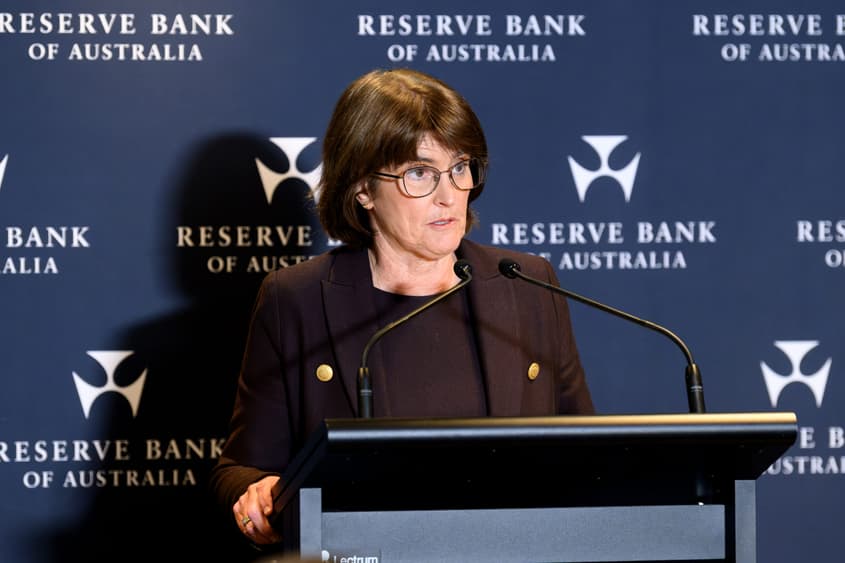
Australia’s main mining lobby group, the Minerals Council of Australia, has been running ads that say the mining industry paid $59 billion in tax in 2023-24, and that this is more tax paid than every other industry combined
Thu 18 Dec 2025 01.00
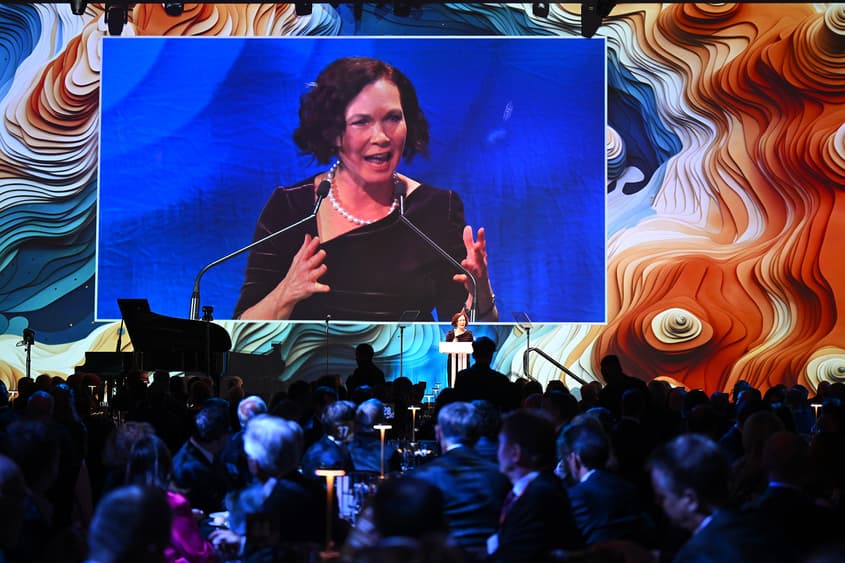
Photo: CEO of the Minerals Council of Australia Tania Constable speaks during the Minerals Council of Australia parliamentary dinner at Parliament House in Canberra, Monday, September 9, 2024. (AAP Image/Lukas Coch)


Australia’s main mining lobby group, the Minerals Council of Australia, has been running ads that say the mining industry paid $59 billion in tax in 2023-24, and that this is more tax paid than every other industry combined:
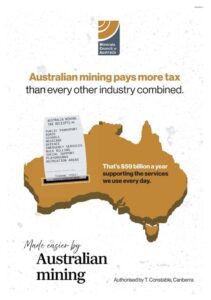
No. Even at first glance, this is clearly wrong.
Total company tax revenue was $141 billion in 2023-24 (Table 1.3 here).
Even if the mining industry did pay $59 billion in tax that year, the claim is incorrect. To pay more than all other industries combined, miners needed to pay more than half of the $141 billion total, or $71 billion. If miners paid $59 billion then all other industries must have paid $82 billion to get a total of $141 billion.
No. This number comes from a report that the Minerals Council commissioned from consultants Ernst and Young (EY). Even looking at the press release for the report, you can see a big problem:
“In 2023–24 alone, the industry paid $59.4 billion in tax and royalty payments to federal, state and territory governments including $32.5 billion in company tax and $26.9 billion in royalties…”
So it’s $32 billion in tax and $27 billion in royalties, not $59 billion in tax.
Royalties are not tax, they are the purchase price that mining companies pay to buy publicly-owned minerals. This is explained by every Treasury in the country.
If miners want to claim royalties as tax, then other industries can claim input costs as tax too – bakers would claim the cost of flour as a tax payment.
We asked the Minerals Council what the claim is based on and they sent back this quote from the Australian Taxation Office (ATO):
“Despite a decrease in tax payable reflecting weaker commodity prices which impacted profitability of major producers in the sector, 2023–24 is the third year in a row that the mining sector paid more tax than all other sectors combined.”
This quote is from a media release the ATO put out with its most recent Corporate Tax Transparency report, which has data for the 2023-24 tax year.
However, the ATO’s media release isn’t consistent with the its own report in two ways.
First, the media release talks about “the mining sector”, but the data the quote refers to is for the much wider “Mining, Energy and Water Segment”. See Table 1 here.
This ‘segment’ includes not just the mining companies that the Minerals Council represents, but also energy and water companies.
So the figures that the media release describes as tax from the “mining sector” also include tax from renewable energy companies, electricity transmission companies, water utilities, etc.
Second, the Corporate Tax Transparency Report only includes data on companies with income of over $100 million per year. This includes all of the big mining companies, but excludes the vast bulk of businesses in almost every industry in Australia.
The businesses included in the Corporate Tax Transparency Report paid $96 billion in company tax, out of a total of $143 billion. That means this report excludes businesses that pay around $47 billion in company tax, one third of total payments. That’s more than the Minerals Council says its members paid.
Mining companies paid $32 billion in tax in 2023-24, not $59 billion as claimed.
$32 billion is nothing to be sneezed at. It probably is more than any other industry. It’s 22% of company tax receipts, or 5% of total federal government revenue.
But it is not even close to being more than every other industry combined.
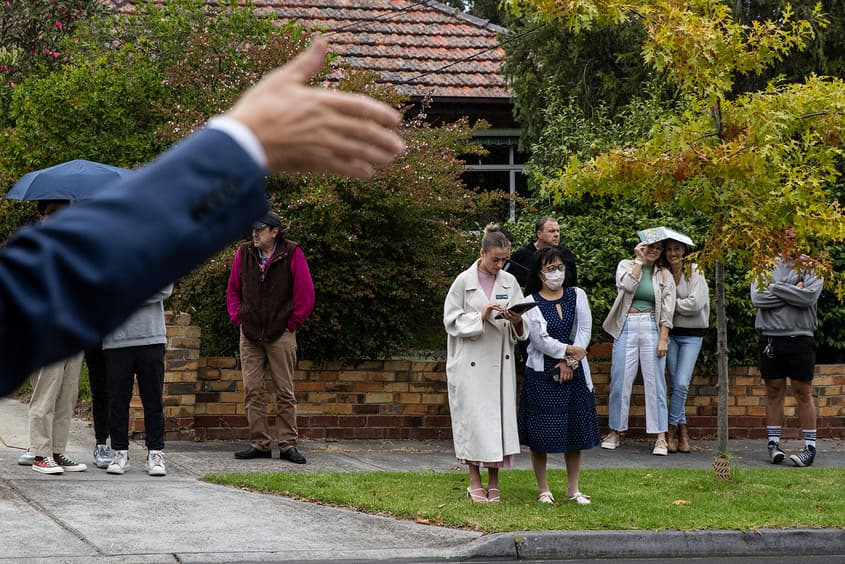
As we approach the Federal Budget, speculation is swirling about changes to the Capital Gains Tax (CGT) discount and negative gearing. And just yesterday a senate committee handed down its report on the CGT discount after hearing evidence that it worsens inequality and encourages property investors to gamble on housing.
Australia is already paying the price of climate change. The evidence appears almost daily on the national emergency map. Just this week alone, major flooding has inundated communities in Queensland, with homes and businesses flooded in Bundaberg. Flooding across the Northern Territory has forced evacuations in remote communities.
The Reserve Bank has completely misread the economy and risked sending more Australians into poverty on Jobseeker by raising the cash rate to 4.1%.