Wed 18 Mar 2026 12.00
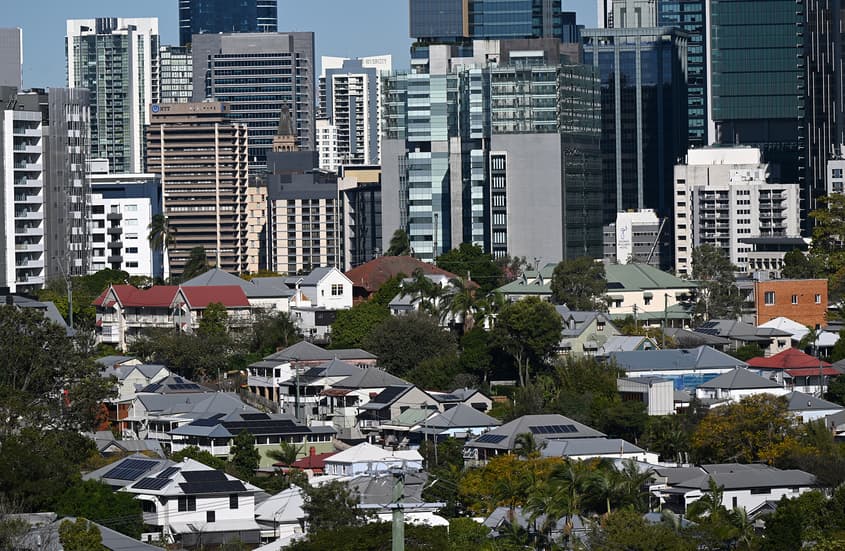
Photo: AAP Image/Darren England


As we approach the Federal Budget, speculation is swirling about changes to the Capital Gains Tax (CGT) discount and negative gearing. And just yesterday a senate committee handed down its report on the CGT discount after hearing evidence that it worsens inequality and encourages property investors to gamble on housing – a report completely devoid of recommendations that would diffuse the inequality bomb set off by John Howard when he slashed the tax rate for investment income.
As the inquiry unfolded, rumours about potential CGT changes in the next federal budget were already making headlines.
Some say the CGT discount could be changed from 50 percent to 33 percent, carefully grandfathered to protect property investors who want to cash in on the housing crisis they helped create. Allegra Spender launched a plan for CGT changes to fund income tax cuts that would do little to make up for degraded public services and unbearable living costs.
Once again, the community is presented with “bold ideas” that amount to little more than tinkering – ideas that would make little difference to most people, and where those of us in poverty are entirely forgotten.
The political process seems designed to make us think of these policies in the abstract, completely removed from our day-to-day lives.
But the CGT discount and negative gearing aren’t just accounting tricks, they affect us all.
Right now, if someone makes their money from selling an asset that increased in value, they’re taxed less than people who earn income from paid work, widening the gap between those who have and those who don’t. That means people who profit from selling shares, vacant land, extra homes, antiques, art and other collectables pay less tax than many workers.
The cost of this decision is enormous. The CGT discount alone will cost around $21 billion in lost revenue just this year. The vast majority of that money will go to the wealthiest people in the country instead of being invested in things we really need, like public education, public housing and liveable Centrelink payments.
The Australia Institute summed things up neatly in its submission to the CGT inquiry, saying “The CGT discount has made housing unaffordable, increased inequality, distorted lending, and is reducing investment and productivity. It should be scrapped.”
Genuinely bold tax changes would create the opportunity to rebuild and make this a country that once again values everyone’s right to a decent life. We cannot accept more mediocrity like the stage three tax cut changes.
In 2024, when the Albanese Government sold the lie of “tax cuts for all” shortly before ruling out an increase to Centrelink payments. Living as a public housing tenant and social security recipient, I remember the feeling in the pit of my stomach, knowing that help still wasn’t coming for people like me. Meanwhile those on the highest incomes were given a tax cut worth thousands of dollars a year.
Here’s the truth: we all pay tax, but we didn’t all get a tax cut. Poor people pay unfair taxes like the GST, which disproportionately hurt people on low incomes.
As these economic debates unfold, it’s always the poorest who are left behind. My grocery costs have gone up to the point that I just have to go without and make the little I can afford stretch further. My electricity bills keep rising. The added costs mean I see my doctor less then I need to, which makes my health even worse. Extra health problems mean my barriers to employment feel more like a wall. It’s exhausting.
This debate about tax discounts and negative gearing is happening at a time when buying a home is impossible for many, paying rent gets harder and harder, and there is less and less public housing available. I am one of the lucky few still able to live in a public home, but relying on the JobSeeker payment means even I struggle to pay rent.
The Albanese Government’s income tax cuts didn’t help the poorest and are barely noticeable to people in low-paid jobs.
If the Prime Minister – who famously grew up in public housing and promised no one would be left behind – is serious about acting on high living costs, why not be brave? Abolish the CGT discount altogether. Get rid of negative gearing for property investors. Tax work and investment income equally. Return housing to what it should have been all along: safe, secure, liveable homes for everyone, not tax-advantaged assets for the fortunate few.
We won’t get there with policy tweaks designed to be inoffensive to the most powerful people in the country. We need a different approach – one that doesn’t keep handing money to investors while so many of us struggle.
In my lifetime we’ve seen the biggest ever wealth transfer from poor and middle class people to those with the most wealth and power – those who enjoy that $21 billion a year. What goes to the top stays at the top. Putting more money in their hands doesn’t create public goods like infrastructure, health, education or housing.
Meaningful change would mean putting those who need help first, not last.
In recent years we’ve seen poverty increase from 1 in 8 people to 1 in 7. Homelessness and housing stress are rising.
This is a wealthy country and could lead the world in poverty eradication and equality. But that would require the government to stop prioritising tax breaks for investors and meaningfully improve the lives of people who are struggling.
Increase welfare payments. Invest in public education and healthcare. Build public homes. Abolish the CGT discount.
The community is desperate for two things from the Albanese Government in this moment: Be bold and be brave. We already have the means. All that’s missing now is political will.
Mel Fisher is a public housing tenant, welfare recipient and antipoverty activist with the Antipoverty Centre and the Anti-Poverty Network South Australia.
Advertisement

The Albanese Government has again signalled its plans to wind back the capital gains tax discount, after a Senate inquiry gave Treasurer Jim Chalmers the green light ahead of the May budget.
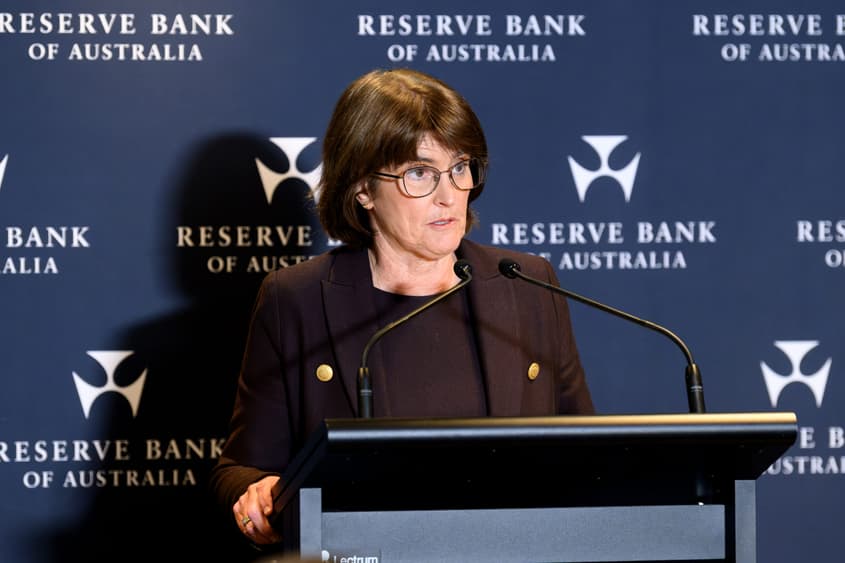
The Reserve Bank has completely misread the economy and risked sending more Australians into poverty on Jobseeker by raising the cash rate to 4.1%.
Behind the closed doors of a consultation room, or concealed by impenetrable medical jargon, wrongdoing in the healthcare sector impacts the lives of every Australian.