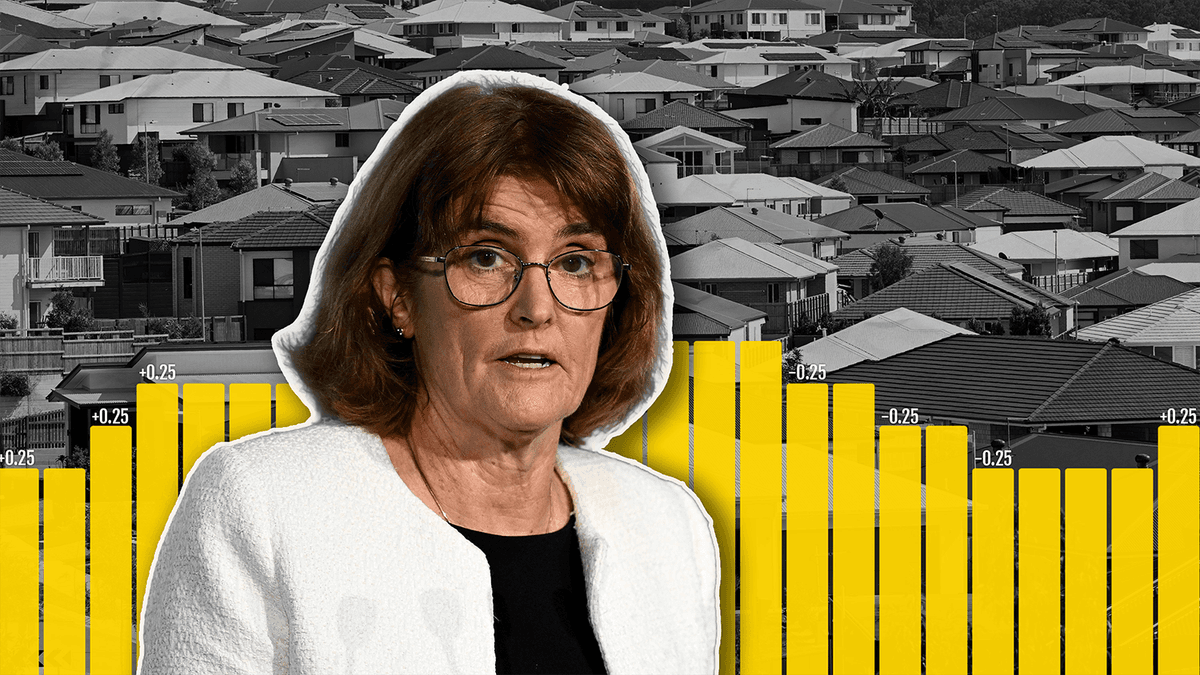
The August labour force figures show employment fell by 5,400 people and that while unemployment remained steady at 4.2%, the trajectory is towards higher unemployment unless the Reserve Bank keep cutting rates to provide needed stimulus.
While the seasonally adjusted rate of unemployment stayed at 4.2% the trend rates rose to 4.3%, which reflects the reality that unemployment has been on an upward path for most of this year.
The RBA interest rate increases clearly slowed the economy and caused businesses to stop hiring and cut hours. Thankfully the RBA has now begun cutting rates, but the upward path of the unemployment rate does suggest that more rate cuts are needed to prevent a greater loss of jobs.
Indeed, it now sadly appears that we have said goodbye to unemployment below 4%. For just over 3 years from the end of 2021, Australia’s unemployment rate was around or below 4%. This was a historic level that had not occurred for 50 years.
It was, however, a level of unemployment the Reserve Bank believed was not sustainable. It believed that unemployment at that level was causing inflation to rise – even though wage growth remained under control and inflation itself was falling. The RBA thus raised interest rates in an effort to force people into unemployment. And the strategy has unfortunately worked.