Poverty is not inevitable, it’s a policy choice, social sector leaders tell Canberra”
Anglicare Australia has described the nation’s $7 billion employment services program as a waste of money, arguing the funds would be better used to create secure, lasting jobs.
Tue 4 Nov 2025 22.30
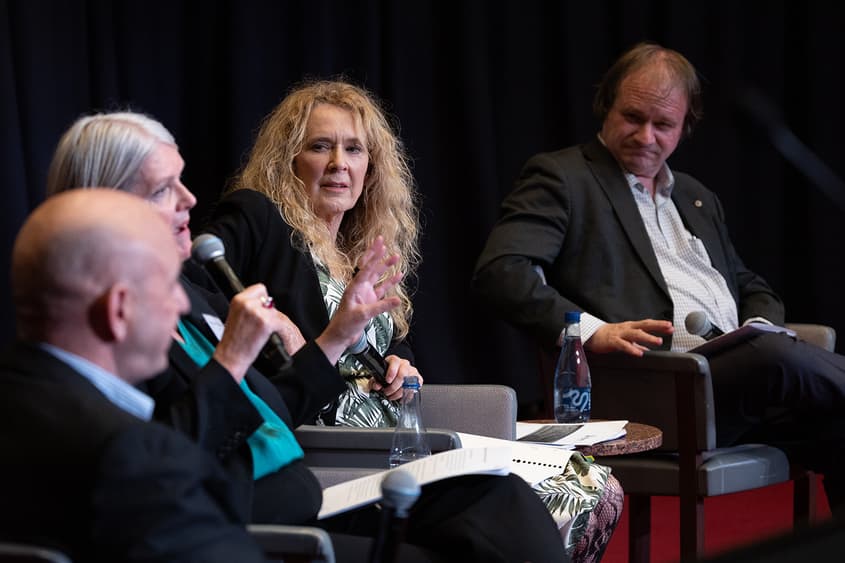
Photo: Mike Bowers


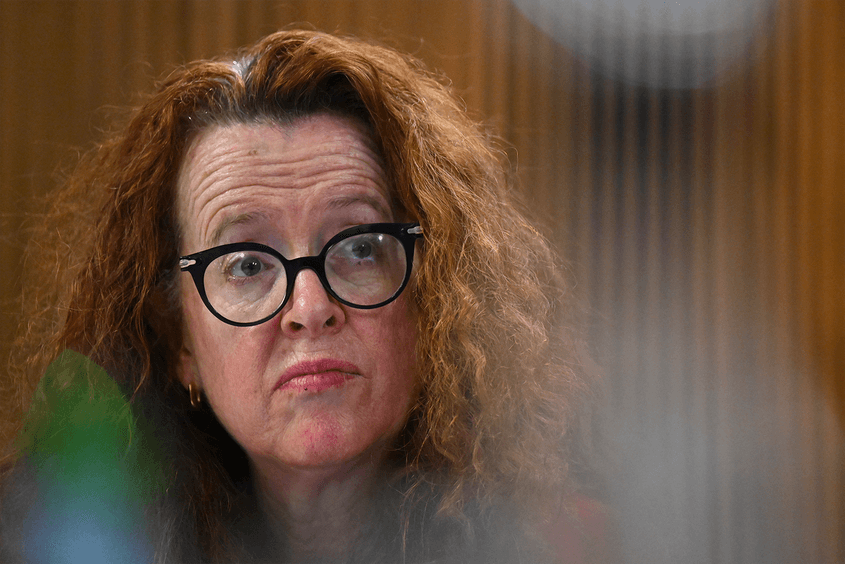
Executive Director Kasy Chambers told the Australia Institute’s Revenue Summit the system only “nominally” gets people back to work, arguing job seekers find employment “in spite of … not because of” the services.
“We could spend quite a bit of money creating jobs, permanent jobs that would actually be of benefit to the environment, a benefit to society.”
Speaking on a panel about inequality, Ms Chambers said modelling done by Anglicare Australia found of the $128.6 billion forgone by taxpayers in 2022-23, only 3% went to went to the bottom quintile of income earners with 56%, to the top quintile.
“People often say to me that poverty or inequality is a wicked problem. It is not. It is a problem we are choosing to have,” she said.
Dr Cassandra Goldie, CEO of the Australian Council of Social Services (ACOSS), agreed.
“We are going in the wrong direction,” she said, noting there has been an “… egregious acceleration in wealth inequality” in Australia.
She said over the last two decades the average wealth of the highest 20% of people “has accelerated by 82%, in contrast to the people in the lowest income wealth bracket … their wealth has only grown by 20%”.
There’s fears the wealth divide could deepen without repair as baby boomers start passing on their trillions to the next generation.
“We’re about to see $3.5 trillion in the next 20 years in Australia transfer between one of our largest generations to the next,” said Ms Chambers, “and we are outliers internationally in how that’s treated.”
“If we don’t grasp that bull by the horns soon … we are in danger of that (superannuation) becoming another sacred cow, like the family home.
“We want to make sure … that super is known to be a retirement payment, not something to be passed to the next generation.”
Dr Goldie said there was something “deeply wrong with this system” and called for more to be done to tackle inequality and poverty, describing the current income support payments as “an absolute disgrace.”
She said the JobSeeker payment is now $401 per week or $20,000 a year.
“The minimum wage is more than twice that … no politician is going to stop us from talking about that.”
The Tax Justice Network’s Dr Mark Zirnsak pointed out, “I think most people think our society is more equal that it relatively is. We have a system that’s generating inequality while we’re hardwired to actually want a more equal society.”
“When you’re comfortable, it’s very easy to not know just how low and just how tough people are doing it,” said Ms Chambers.
“I got quite hopeful during Covid, when a lot of people were doing it more though, that we’d all get a bit more generous … Unfortunately, it doesn’t seem to last out the crisis.
The Australia Institute’s co-CEO and panel chair, Dr Richard Denniss agreed. “I think the Covid example is the best one because when middle class people thought they might be poor, they supported helping the poor.”
Historically, “cheap politics” has “turn(ed) people on each other” but ACOSS’ Cassandra Goldie believes, while public sentiment has shifted, Canberra isn’t listening.
“I’ve been in a meeting today with a very senior official, who basically was saying, you probably need to come up with some other proposals. And I said, well we won’t”.
“Our job is to continue to make the case and it’s really important to stay the course.”
“I just encourage us to continue not to blink on some of these,” said Dr Goldie.
Ms Chambers said, “… if we looked at increasing only three benefits – JobSeeker, carer’s payment and the parenting benefit for singles – that would be costing $111 billion by 2033”.
She argued it would be affordable if the government axed generous housing tax breaks, estimated to cost the Australian budget $165 billion over the next decade.
Dr Denniss said Australians should be aspiring “… to have to have a vibrant society where, kids growing up prospects’ are determined by their choices and their abilities, not, their parents’ postcode or mortgage status.
“Changing a country takes a long, long time,” he said
“We will not win without resolve.”
Related Articles
The Ruin of Magic
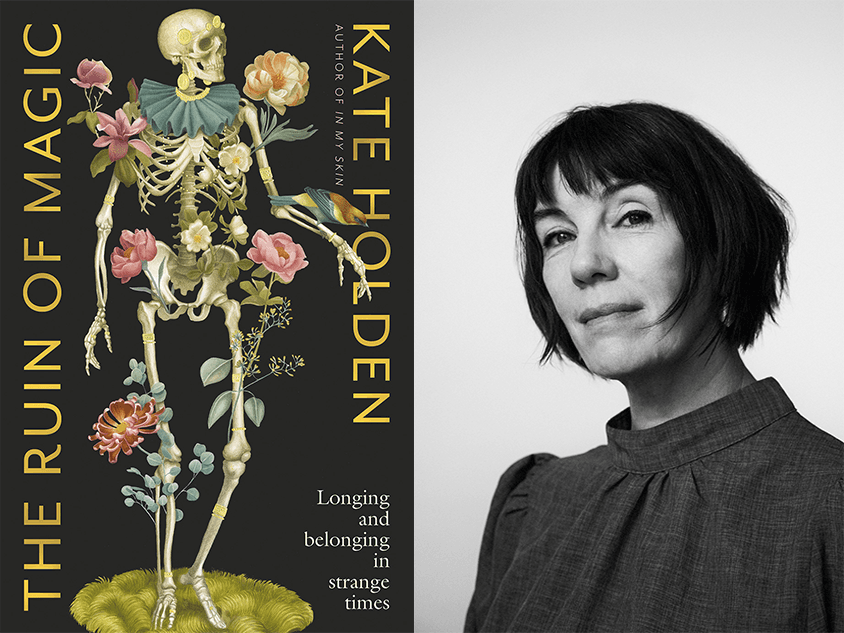
This is an edited extract from "The Ruin of Magic" by Kate Holden, published by Black Inc.
See What You Made Me Do: Foreword
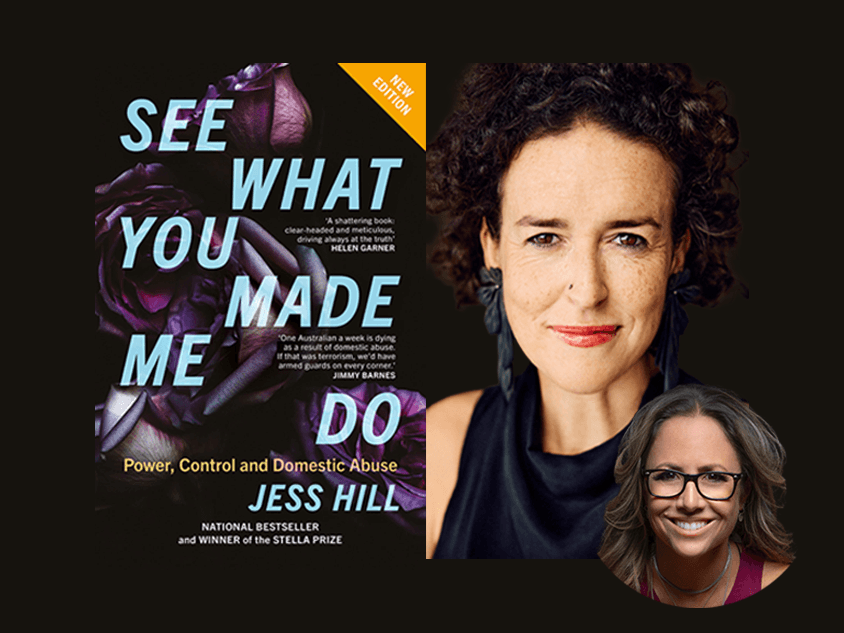
This is the new foreword, written by Clare Wright, for the new updated edition of 'See What You Made Do' by Jess Hill