New analysis of Australia’s foreign aid spending recommends a more direct way to help our Pacific neighbours, following the failure to win the right to host next year’s COP climate talks.
The analysis, compiled by The Australia Institute, recommends giving the money which would have been spent on COP – around $1 billion – directly to the Pacific Island nations already devastated by climate change.
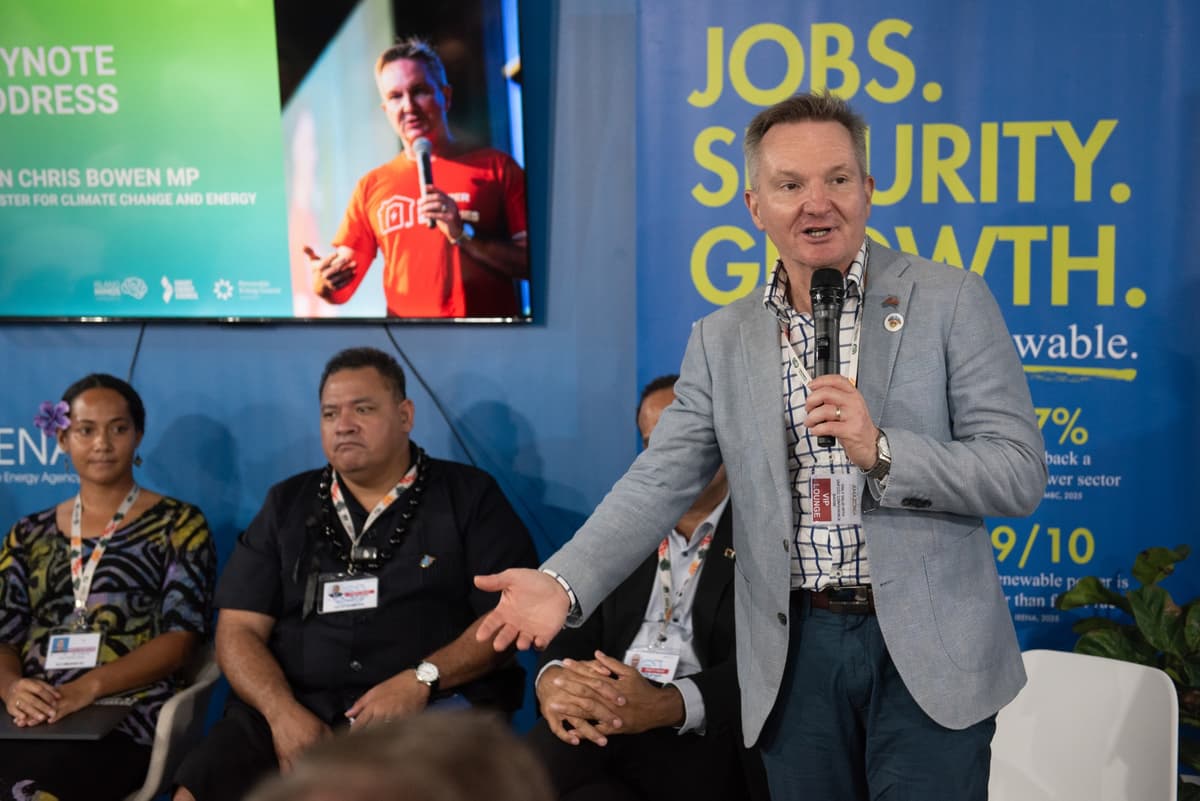
Prime Minister Anthony Albanese and Climate Change Minister Chris Bowen had always claimed the bid to hold COP31 in Adelaide was to highlight the plight of Pacific nations whose very future is under threat from rising seas and extreme weather events, like surging tides.
In conceding COP hosting rights to Türkiye, the Prime Minister insisted his top priority was to help what he often refers to as Australia’s “Pacific family”.
“What we would seek to do is to ensure that the Pacific benefited from that through measures, potentially like a leaders’ meeting to be held in the Pacific,” Mr Albanese said.
“We will prioritise making sure that the Pacific’s interests are looked after, but this is a difficult situation because of the rules and the way that they operate.”
Yesterday, however, Australia Institute co-CEO Dr Richard Denniss, said there was a simpler, more direct way to help nations like Tuvalu and Kiribati.
“Giving the money Australia saved by not hosting the COP straight to the Pacific to help them adapt to the climate crisis – which Australia’s fossil fuel exports cause – is by far the easiest way to deliver on the Prime Minister’s desire to help,” Dr Denniss said.
“The Pacific could use the money to kick-start the 100% renewable Pacific plan, launched by the Australian Government and several Pacific leaders last week.”
“It would be a way to keep climate action in the Pacific even though the climate talks are heading back to the northern hemisphere.”
Dr Denniss co-authored a report with Senior Economist Matt Saunders which underlines the urgent need for direct climate assistance.
It highlighted Australia’s generational failure to live up to foreign aid commitments and a string of questionable claims about providing climate finance to developing countries.