ACCC: private health insurers’ $4.8 billion covid windfall returned
Private health insurers have returned almost $4.8 billion to Australian customers after pledging not to profit from reduced access to health services during the pandemic.
Wed 10 Dec 2025 00.00

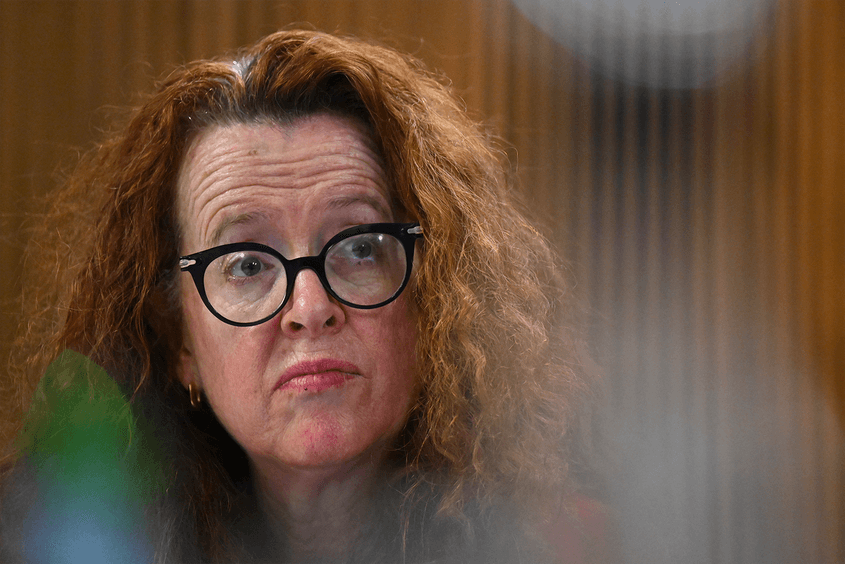
Photo: AAP Image/Jono Searle


Private health insurers have returned almost $4.8 billion to Australian customers after pledging not to profit from reduced access to health services during the pandemic.
Pandemic lockdowns saw millions of physiotherapy, dental and other medical appointments cancelled, while elective surgery was interrupted for months at a time. The widespread disruptions resulted in large savings for private health insurance companies that did not have to pay for the cancelled appointments.
New figures released by the Australian Competition and Consumer Commission (ACCC) show the industry has now handed back $4.771 billion to policyholders, as of 30 June 2025.
The ACCC reports that almost $2.7 billion has been paid directly into customers’ bank accounts, with a further $1.9 billion returned through premium relief, such as deferred or cancelled price increases.
Savings were also returned through the rollover of extras limits to the following year, financial hardship packages and expanded cover to include ‘lung and chest’ problems.
The Australia Institute welcomed the ACCC figures.
“We estimated in April 2020 that insurers were in for a windfall of between $3.5 billion and $5.5 billion, an estimate that looks good with hindsight,” said Rod Campbell, research director at the Australia Institute.
“Highlighting early in the pandemic the size of the windfall that insurers would receive was important in getting the Government and regulators to ensure savings were eventually returned to policy holders.”
Insurer groups also welcomed the new ACCC data.
Members Health Fund Alliance described the figures as “unprecedented in size and scale”.
It also noted that, “A further small number of givebacks are planned in 2025-26, with the scheme now winding down to its conclusion, some five years after the arrival of COVID-19.”
Private Healthcare Australia (PHA) chief executive, Dr Rachel David, said “it was in funds’ interests to prioritise members’ health and wellbeing”.
“Health funds also invested millions of dollars in Covid-19 support programs focusing on members’ mental health and wellbeing”.
According to PHA, since the pandemic Australians have signed up for private health insurance “in record numbers” and more than 15 million Australians now have private health.
At the start of the pandemic, insurer groups denied the industry was set to receive major savings from lockdowns, with PHA’s Rachel David rejecting “any suggestion that health funds (would make) ‘windfall gains’ from COVID-19 restrictions” in an August 2020 statement.
News outlets, such as the Financial Review, scoffed at the Australia Institute’s 2020 analysis estimating the windfall for insurers.
The Australia Institute’s analysis was dubbed “paltry” and a “premature shot” at health insurers.
“It’s nice to see our figures supported,” said Mr Campbell.
“It’s even nicer to know that policy holders have been treated fairly.”
Related Articles
See What You Made Me Do: Foreword
This is the new foreword, written by Clare Wright, for the new updated edition of 'See What You Made Do' by Jess Hill