Unemployment in November remained steady at 4.3% according to the latest figures out today from the Bureau of Statistics.
Fri 12 Dec 2025 01.00
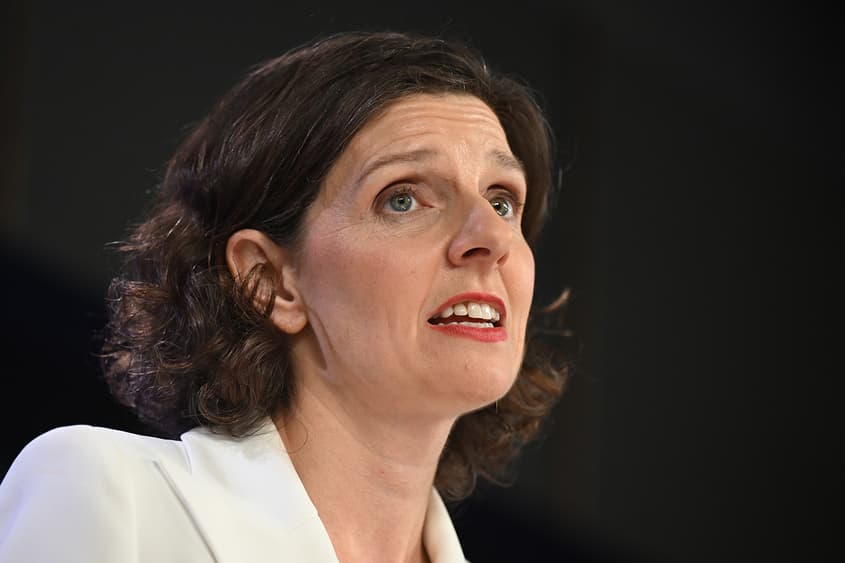
Photo: AAP Image/Dean Lewins


Unemployment in November remained steady at 4.3% according to the latest figures out today from the Bureau of Statistics.
The labour force figures for November provide some good news that suggests the unemployment rate might be stabilising after a period of steady increases throughout 20205:
While the seasonally adjusted figures can bounce around a little, the slight drop in the trend rates – which averages out the figures to provide a more stable picture – suggests that the peak of unemployment might for now have been reached.
However, the good news of the figures is tempered by the fact that in November, employment fell in seasonally adjusted terms and annual employment growth of 1.3% is the lowest (excluding the pandemic lockdowns) since 2017:
The only reason the unemployment rate did not rise is because more people left the labour market than lost jobs. This is less a sign of a healthy labour force than one that is rather weaker than the overall unemployment figure might suggest.
This is highlighted when we look at employment growth across men and women and full-time – in every category the current annual growth is below the pre-COVID average.
Not surprisingly in November there was also a jump in the level of underemployment – up from 5.7% to 6.2% – the highest level since October last year.
Thus, while the overall figure of a steady rate of unemployment at 4.3% will no doubt be viewed as vindication by the Reserve Bank not to further cut rates, and will also be used as an excuse to at least keep them steady in February, the picture is less rosy.
Weak employment growth will inevitably lead to higher unemployment and the risk of unemployment rising back to 4.5% remains, especially given the Reserve Bank has seemingly declared any rise in unemployment will not result in an interest rate cut.
In February the unemployment rate rose from 4.1% to 4.3%, providing further evidence the Reserve Bank misread the economy when it raised rates in both February and this week.
Advertisement

The Member for Wentworth is pushing for Treasurer Jim Chalmers to introduce a tax of at least 50 per cent on revenue earned above expected levels due to global supply disruptions, calling for an urgent windfall tax on gas and oil companies raking in “extraordinary profits” from the escalating conflict in the Middle East.
As we approach the Federal Budget, speculation is swirling about changes to the Capital Gains Tax (CGT) discount and negative gearing. And just yesterday a senate committee handed down its report on the CGT discount after hearing evidence that it worsens inequality and encourages property investors to gamble on housing.