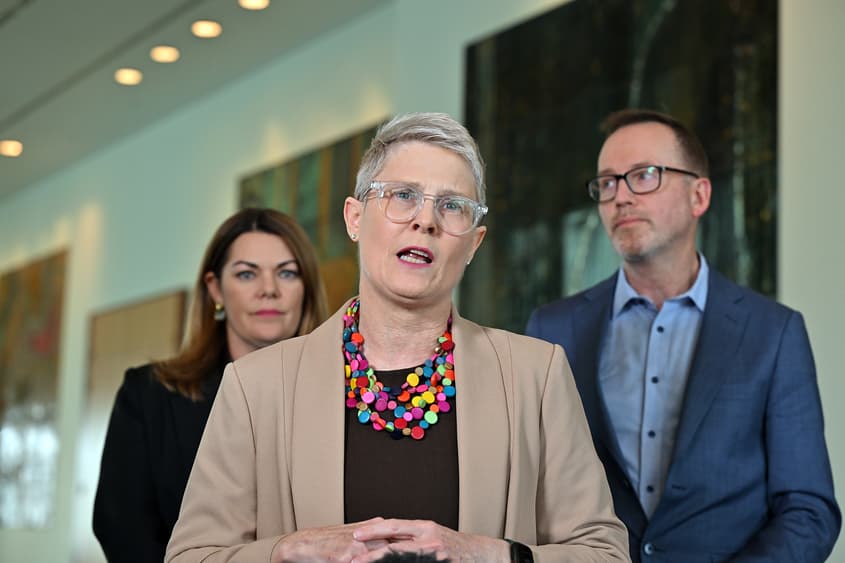
Too often, commentators measure the strength of Parliament by the strength of the Opposition. If the Liberals and Nationals are united, numerous and a real electoral threat, then they will keep a Labor Government accountable, and vice versa when the Coalition governs. This is outdated. The Opposition is not numerous, nor does it look very electable.
Thu 5 Feb 2026 16.00
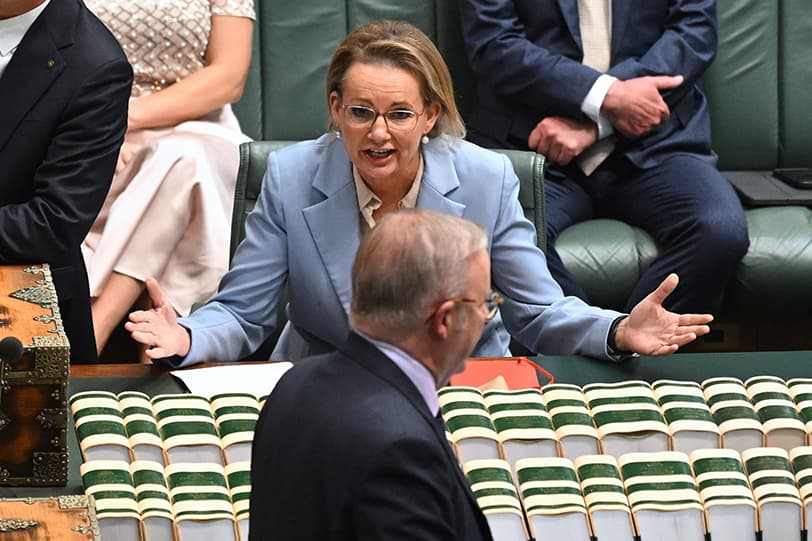
Photo: AAP Image/Lukas Coch


Australia is an “elective dictatorship”, an ominous diagnosis made in the 1990s by David Hamer. Mr Hamer was a Liberal parliamentarian who served in both houses of Parliament (he was an MP and a senator). His point was that, between elections, the Government’s power is barely constrained by law or the Constitution.
Instead, the Government is constrained by the Parliament. However benign or well-meaning a Government, democracy depends on the option for the Parliament to intervene to stop abuse of power.
Too often, commentators measure the strength of Parliament by the strength of the Opposition. If the Liberals and Nationals are united, numerous and a real electoral threat, then they will keep a Labor Government accountable, and vice versa when the Coalition governs.
This is outdated. The Opposition is not numerous, nor does it look very electable.
At the last election, more Australians voted for would-be crossbenchers (Greens, independents and minor parties) than they did for the Liberal–National Opposition. With the Nationals quitting the Opposition, the crossbench hold as many seats as the Opposition does.
But if the Opposition cannot constrain the Government, who can?
This past fortnight, we got the answers.
The Labor backbench. The only people who can immediately depose a prime minister are their fellow party members. Governments neglect backbenchers at their peril. The standout is Ed Husic, who has been outspoken on gas reservation policy, Artificial Intelligence guardrails and Palestine.
Backbenchers do not need to defy the Government to prick its conscience. Labor backbencher Peta Murphy’s inquiry into gambling harm recommended a gambling ad ban. Years on, the Government is shamed by its failure to act on her recommendation.
Crossbenchers. Greens, independent and minor party MPs provide a policy alternative to Labor, question its ministers and senior public servants, and offer amendments to Labor’s new laws. They do so without the benefit of shadow ministerial staff and salaries – something the Nationals will have to come to terms with.
This week, Andrew Wilkie, Sophie Scamps, Zali Steggall and the Greens raised concerns with Israeli President Isaac Herzog’s visit to Australia, and the Greens called out Labor for dodging the recommendations of two parliamentary inquiries into the consulting industry.
The Senate. Labor has about as many seats now as they did the day after last year’s election. The same arithmetic applies whether the Liberals and Nationals hash out their differences in private as they used to, or publicly as they are doing now.
With the Liberals looking unelectable, some calculations become easier: why restrict freedom of information laws to help the government of the day be more secretive, when it will be a long time before the Liberals are in government?
The people. In a democracy, politicians answer to the people, and that goes double now there is no such thing as a safe seat. Here in Canberra, one of the safest Labor seats in the country became ultra-marginal once a strong independent candidate chose to run.
The rise of One Nation creates a surprising opportunity for voters. There are “safe” Liberal and National seats where One Nation could do very well. Labor, Greens and independent preferences will decide whether One Nation wins the seat – which means progressive voters now have leverage over desperate Liberals and Nationals.
Australia needs a strong Parliament. There are multiple checks on Government power. Time and column inches are best spent on the people who are doing something constructive.
Bill Browne is the democracy & accountability program director at the Australia Institute
With South Australia in its final week of campaigning ahead of the state election, you may have noticed while there’s been a few scandals around mistaken identity of hospital patients and controversial candidates’ opinions, accusations of politicians lying are muted.
Advertisement
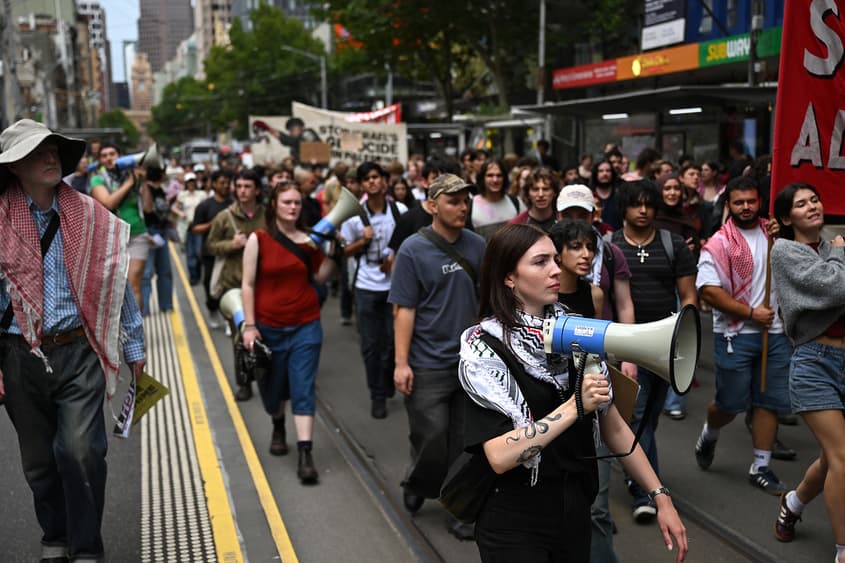
Behind the closed doors of a consultation room, or concealed by impenetrable medical jargon, wrongdoing in the healthcare sector impacts the lives of every Australian.
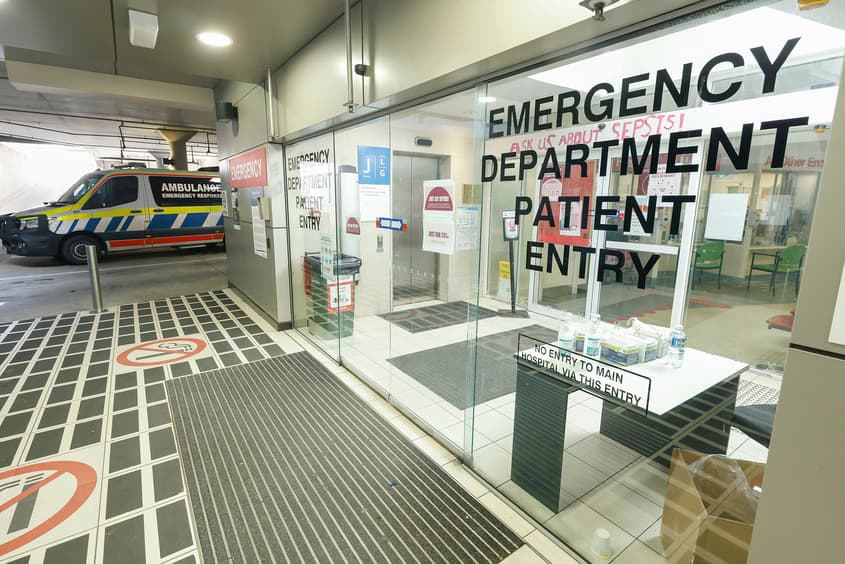
An investigation into the illegal Robodebt scheme has found two senior public officials engaged in corrupt conduct, but the Greens say the political and bureaucratic “architects” have “walked away scot-free”.