Australia’s wildlife is facing a quiet and unnecessary threat, not just from habitat loss, bushfires or climate change, but from something sitting on the shelves of hardware stores and supermarkets, and in turn households: rat poison.
Sat 14 Mar 2026 00.00
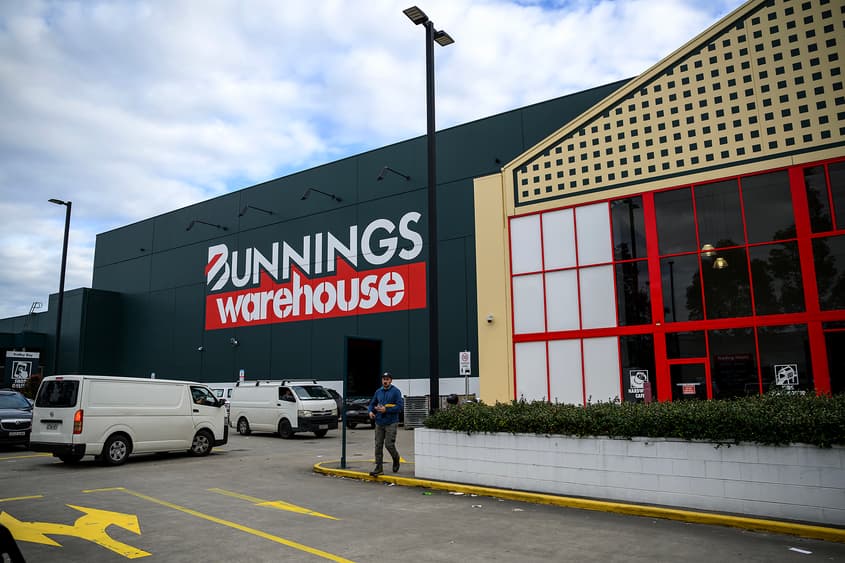
Photo: AAP Image/Bianca De Marchi


Australia’s wildlife is facing a quiet and unnecessary threat, not just from habitat loss, bushfires or climate change, but from something sitting on the shelves of hardware stores and supermarkets, and in turn households: rat poison.
For years, wildlife scientists and veterinarians have warned that commonly available rodenticides are killing far more than rats. The evidence has been mounting. Now, finally, Australia’s pesticide regulator Australian Pesticides and Veterinary Medicines Authority (APVMA) appears ready to act.
After more than a decade of campaigning by conservation groups including Birdlife Australia, the APVMA is recommending that the most dangerous rat poisons, known as second-generation anticoagulant rodenticides (SGARs), be removed from public sale and restricted to licensed pest control professionals.
If implemented, it would be one of the most significant conservation wins for Australian wildlife in recent years.
But the job is not done yet.
SGARs are designed to be powerful. Marketed as “one-dose kills”, they work by causing internal bleeding in rodents. But the problem is what happens next.
The poisoned rat or mouse rarely dies immediately. Instead, it heads into the open, weak and disoriented – easy prey for predators like quolls, owls, hawks, and eagles. When those animals eat the poisoned rodent, the toxin harms them and moves up the food chain. This is known as secondary poisoning, and it has become a major driver of wildlife deaths.
These poisons also persist in animal tissue, meaning predators can accumulate lethal doses over time simply by eating contaminated prey.
The consequences for Australian wildlife are staggering.
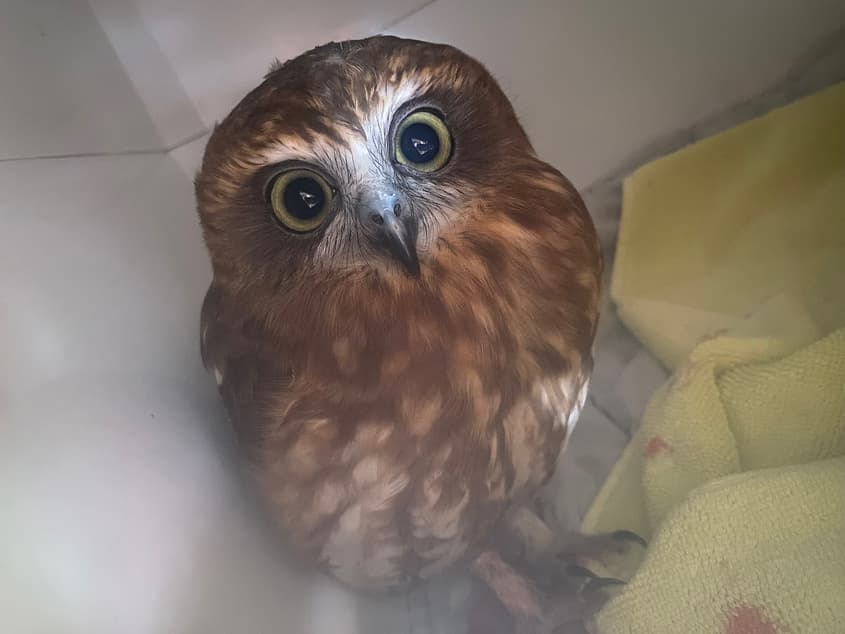
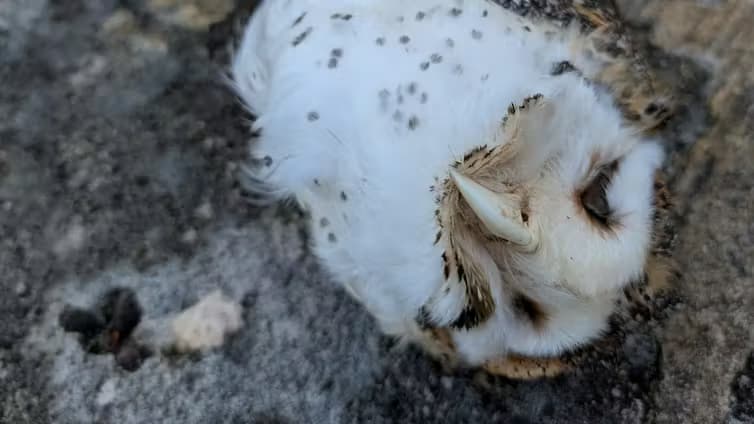
A recent study in Western Australia found rat poison in 100 per cent of tested Masked Owls, with many containing toxic or lethal levels of the chemicals.
Other research has detected the same poisons in Powerful Owls, Wedge-tailed Eagles, Tawny Frogmouths and Southern Boobooks.
In some studies, more than 90 per cent of tested birds had been exposed to these toxins.
And the victims are not just birds. Mammals, reptiles and even pets can also be poisoned.
What makes this particularly troubling is that many of the affected animals are apex predators, species that sit at the top of the food chain and play a crucial role in keeping ecosystems healthy.
The Powerful Owl, for example, is already listed as vulnerable in Victoria. Yet studies show the species is widely exposed to rodenticides in urban and peri-urban environments.
Alarmingly, new research suggests the poisoning pathway may not even come from rats alone. Some powerful owls are likely ingesting toxins through native prey like possums that have themselves been exposed to rat bait.
In other words, the poison spreads far beyond the animal it was meant for.
Many other countries have already recognised the danger.
The United States, Canada and several European jurisdictions have restricted the retail sale of these poisons, limiting them to trained professionals.
Australia, however, has allowed them to remain widely available to anyone who wants to buy them.
You can pick them up while buying a hammer or garden hose.
And while the label may say “rat poison”, what it often means in practice is “owl poison”.
The shift in the regulator’s recommendation did not happen by accident.
More than 10,000 submissions to the APVMA came from Birdlife Australia supporters alone, alongside years of advocacy from conservation organisations and scientists.
Public pressure worked.
The regulator is now recommending the removal of SGARs from retail shelves – a move that would significantly reduce the amount of these toxins circulating through the environment.
But the recommendation still needs to be finalised and signed off by the Albanese government.
That decision now sits with Agriculture Minister Julie Collins.
None of this means people should live with rats.
Feral rodent control is a legitimate issue for households, farms and businesses. But there are safer alternatives – including traps, improved sanitation and less persistent rodenticides that pose a far lower risk to wildlife.
What Australia does not need is a poison that turns every backyard into a potential death trap for native wildlife.
Owls, after all, are nature’s pest control.
A single owl can eat hundreds – sometimes thousands – of rodents each year. Killing them with rat poison is not just cruel; it is counterproductive.
In a world of slow progress on wildlife and biodiversity protection, this is a rare moment when meaningful change is within reach.
Removing the most dangerous rat poisons from supermarket and hardware store, and yes household, shelves would not solve every threat facing Australia’s wildlife. But it would eliminate one of the most avoidable ones.
All that remains is for the government to act.
Because the choice is simple.
Either we keep selling owl-killing poisons – or we ban them for good.
Advertisement
Australia’s poisons regulator shows how hard it is to rebuild an institution after it is damaged. As it rebuilds, Australian native animals are dying.
Australia’s struggling wildlife rescue sector is calling for the Albanese government to fund a national system for treating injured and orphaned native animals.
Visitors to the Twelve Apostles along Victoria’s Great Ocean Road will soon be asked to pay an entry fee, with the Vic State Government arguing it’s ‘only fair’ that visitors contribute to maintaining one of Australia’s most visited natural landmarks.