Visitors to the Twelve Apostles along Victoria’s Great Ocean Road will soon be asked to pay an entry fee, with the Vic State Government arguing it’s ‘only fair’ that visitors contribute to maintaining one of Australia’s most visited natural landmarks.
Wed 11 Mar 2026 01.00
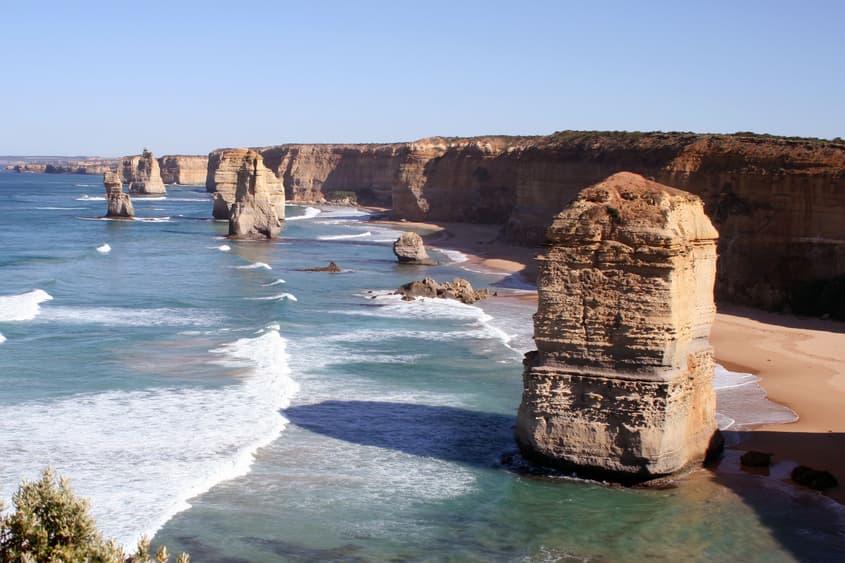


Visitors to the Twelve Apostles along Victoria’s Great Ocean Road will soon be asked to pay an entry fee, with the Vic State Government arguing it’s ‘only fair’ that visitors contribute to maintaining one of Australia’s most visited natural landmarks.
More than two million people visit the site each year, and revenue from the new booking system and visitor centre is intended to help protect the fragile coastline and manage tourism impacts.
But here’s a question: if the public must pay their fair share to see the Twelve Apostles, why don’t multinational fossil fuel companies have to pay more to drill for gas in the waters around them?
Gas exploration and extraction are already happening offshore in the Otway Basin, the stretch of ocean that sits directly off the Great Ocean Road and within reach of the Twelve Apostles coastline. The Otway Basin has hosted offshore gas production for decades. Yet rather than winding this activity down as the climate crisis intensifies, the Federal Government chose to do the exact opposite in December 2025, releasing additional areas of the Otway Basin for new fossil fuel exploration.
That means more drilling could occur off one of Australia’s most famous coastlines, in the same waters that underpin tourism, fishing and fragile marine ecosystems. A major spill or accident could threaten the marine environment and coastal communities that depend on these waters, from Victoria’s Shipwreck Coast to parts of Tasmania.
The economic arrangements are also striking. Australia Institute research shows that 56% of gas exported from Australia attracts zero royalties.
And worse still, when things go wrong, the public often end up carrying the consequences. During decommissioning works at the Minerva gas well off Victoria’s coast, Woodside shed about 186 kilograms of plastic into the ocean. Documents later revealed the company continued operating for weeks despite knowing the risk before notifying regulators.
Somehow, it’s ‘only fair’ for the public and tourists to pay to see the Twelve Apostles from a viewing platform. But companies drilling for gas in the waters nearby don’t have to pay what’s fair for the resource itself, face limited export taxes, and can leave environmental risks and cleanup costs behind.
So, the logic feels upside down. If the principle is that people who benefit from a public asset should help pay to protect it, the question isn’t why visitors are being charged to see the Twelve Apostles, it’s why the big gas companies drilling around them aren’t paying far more.
Advertisement

Amidst the high drama of parliament this past month, a quiet but historic moment is unfolding largely unnoticed. After two decades of campaigning, several years of treaty negotiations, and a few more drafting laws, legislation has finally been tabled for Australia to join the new High Seas Treaty. This is arguably the most significant global agreement on nature protection of our generation.
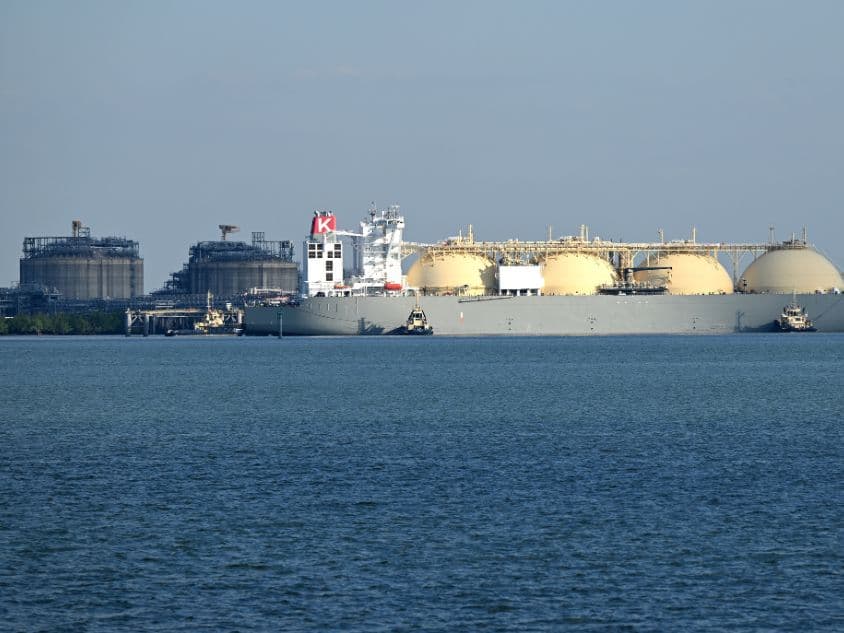
The Australian Government lets foreign owned gas companies export vast amounts of gas above and beyond what they need to fulfil their export contracts, while leaving Australians short.
Environmentalists have accused the Albanese Government of making a “mockery” of Australia’s new nature laws, saying they’re “gobsmacked” by its decision to greenlight the destruction of threatened bird habitat in the Northern Territory.