Former energy regulator Anthea Harris has been appointed Australia’s new 'fuel czar”' to lead a national supply taskforce, as the government moves to mitigate disruptions caused by the escalating conflict in the Middle East.
Tue 24 Mar 2026 00.00
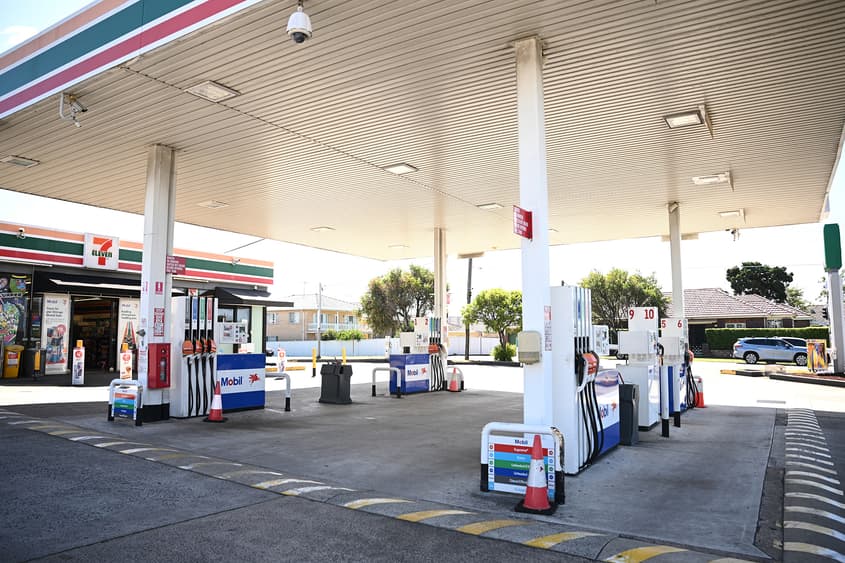
Photo: AAP Image/Dan Himbrechts


Former energy regulator Anthea Harris has been appointed Australia’s new ‘fuel czar”’ to lead a national supply taskforce, as the government moves to mitigate disruptions caused by the escalating conflict in the Middle East.
Ms Harris will take on the newly created role of Fuel Supply Taskforce Coordinator and will oversee efforts to strengthen fuel security and respond to emerging shortages.
Allan Behm, the Australia Institute’s International & Security Affairs advisor, described the appointment as “shrewd”.
“The Albanese Government has appointed a woman with a formidable background in national energy policy, a real talent for complex problem-solving and exceptional negotiating skills,” he said.
Prime Minister Anthony Albanese announced her appointment following a National Cabinet meeting last week, reassuring the public that Australia is “well prepared”.
“Our fuel supply is currently secure – but I want us to be over-prepared.”
“Anthea Harris is the right person to lead the work across governments, ensuring fuel supply remains resilient and challenges coming from the Middle East are dealt with here in the Australian way – looking after each other and facing problems together.”
Energy Minister Chris Bowen told the ABC’s Insiders program on Sunday that “supply of petrol has gone up a little bit” and that Australia has 38 days’ worth of supply.
In parliament, he confirmed “prudent contingency planning” was underway but made clear Australia was “a long way” from fuel rationing.
Independent MP Allegra Spender said the fuel supply taskforce must address immediate pressures while also planning for the long term.
“The fact that we are concerned about energy insecurity in a country with Australia’s resources is a consequence of years of energy policy failure,” she said.
“This taskforce must undertake scenario planning and prepare to make tough decisions about where supply should be directed. Fuel for farming and food transport cannot be compromised.
“In the short term we must do three things: implement a windfall tax on war profits; undertake scenario planning to inform fuel prioritisation; and leverage our bargaining position as an energy exporter.”
Iran’s retaliatory blockade of the Strait of Hormuz has triggered the largest supply disruption in the history of the global oil market.
According to SBS News, Australia has failed to meet its International Energy Agency (IEA) obligation to hold a 90-day fuel reserve since 2012.
Minister Bowen announced last week that the Government had released up to 20 per cent of its emergency stockpile “to help address regional shortages”.
He said fuel standards have also been temporarily relaxed for two months “to keep more Australian-made fuels onshore and crack down on petrol companies ripping off Australian consumers”.
The Australian Competition and Consumer Commission (ACCC) is already investigating allegations of anti-competitive conduct by major fuel suppliers, including Ampol, BP Australia, Mobil and Viva Energy.
It follows reports concerning diesel availability to independent wholesalers and distributors servicing regional and rural Australia.
“The ACCC is closely scrutinising all fuel markets during this period, and we have received reports of alleged anti-competitive behaviour. We are therefore investigating these matters urgently,” ACCC Chair Gina Cass-Gottlieb said.
It has also granted approval for major fuel suppliers to coordinate supply.
“The interim authorisation means the companies can discuss, exchange information about, and coordinate on the supply of fuel in locations across Australia to alleviate shortages without risking a breach of competition laws.”
Independent MP Allegra Spender said Australia’s long-term plan must focus on building greater energy resilience.
“Some will say we can drill our way out of the crisis. Energy security is not a treasure hunt.
“Australia’s electricity grid is 100% powered by Australian fuels. Electrification is energy sovereignty.”
Most people have a nostalgic story to tell about their favourite teacher. We often invoke them when teachers are bargaining for better pay and conditions, or when another story of violence in schools reaches the headlines.
Advertisement
Australia faces an unprecedented oil security challenge. Fatih Birol, the executive director of the International Energy Agency (IEA), described the current oil shock as “the largest supply disruption in the history of the global oil market”, and is calling on countries to act rapidly to reduce economic impacts. While Australia navigated recent oil shocks unscathed thanks to a high self-reliance in oil and oil products, the Iran crisis is markedly different.
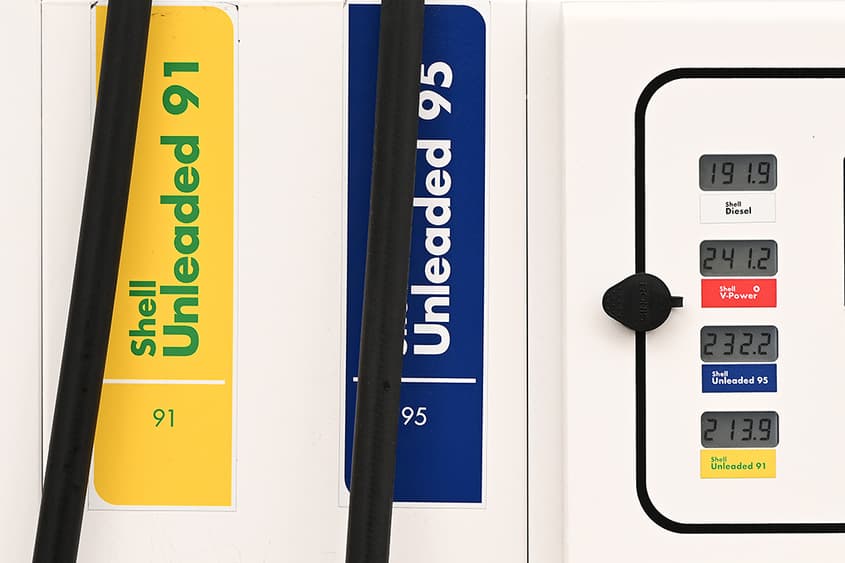
The Reserve Bank’s decision to raise interest rates this week was a double whammy for Australians struggling with petrol price increases in the past month that have already cost them more than the impact of the rate rise.