Wed 25 Mar 2026 10.00
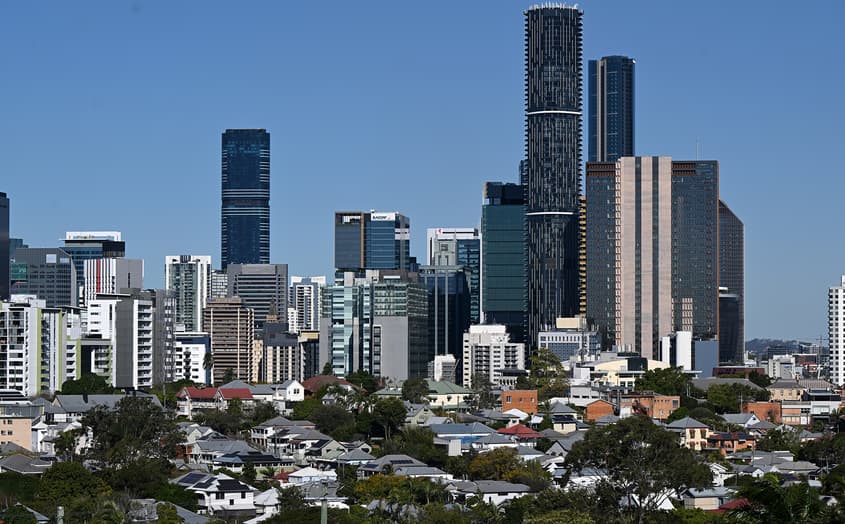
Photo: AAP Image/Darren England


Australia’s population size is always a hot button political topic – perhaps more so now given the various conservative parties coming out strongly against further migration – but the reality is much calmer.
The Australian Bureau of Statistics (ABS) has released the latest population statistics, and this allows us to see what is actually happening to Australia’s population and what might happen in the future.
The pandemic created one of the largest upheavals to population growth in living memory. It caused population growth to go through two distinct phases.
With the onset of the pandemic, the borders were shut, and migration came to a virtual stop and so did population growth.
The shutdowns meant that work was scarce and the way that government assistance was structured meant that visa holders with jobs were not supported. With no access to income and little support, many choose to leave.
The same occurred for international students. Classes went online and it no longer mattered if you were around the corner from your class or on the other side of the world.
As a result, in the second half of 2020 the Australian population actually fell. This I don’t need to point out is a pretty stunning occurrence.
This all reversed when the borders reopened. Visa holders including international students came back to Australia and for a period the population grew at rates well above the long run average.
This has led to a lot of claims that Australia’s migration system and population are out of control.
But what to the statistics say?
Let’s look at the annualised growth of the estimated residential population (ERP). The ERP is the ABS’s estimate for how many people live in Australia regardless of nationality, citizenship, or visa status. The only people who are excluded who usually live in Australia are people present for foreign consular or diplomatic reasons.
If we look at the growth of the ERP over the last 11 years, we can see both phases of the pandemic. It shows the initial crash in the growth rate in 2020 and the bounce back after the borders were opened. More recently the growth rate seems to have stabilized at a rate similar to the pre-pandemic level.
But did the boom in population growth compensate for the drop? Or has the growth in population far exceeded any drop off because of the pandemic?
We can check this by looking at the average growth rate in the population pre-pandemic and then calculate what the population would have been if it had continued to grow at that rate after 2020. This shows us what the population could have been if the pandemic had never happened.
The solid line is the actual population, while the dotted line is what the population would have been if it had continued to grow at the pre-pandemic rate. We can see before 2020 the actual population and the average growth rate population are almost identical because they are both growing at the same rate.
But after 2020, the actual population drops below the average growth rate when the borders were shut. It then picks up after the borders open and almost catches back up, before increasing at about the same rate.
While the actual population is slightly below the average grow rate population, they are so close that it makes little difference. This means that the dip in the population caused by the pandemic has been offset by the bounce back after the pandemic.
This makes logical sense. There have been no major changes to Australia’s migration laws that would have caused a massive change to our population. After the disruption of the pandemic, there is no reason why things would not revert to pre-pandemic rates.
It is important to note that some people thought that the growth rate in the population before the pandemic was too high. If you thought the population was growing too quickly before the pandemic, then you will probably think it is still growing too quickly now that it has settled back down to the old rate of growth.
But there is nothing to suggest that the Australian population is now growing at a much faster rate or that things have drastically changed. The Australian population is as out of control today as it was during the 2010s.
While there is plenty of doomsday rhetoric about migration and population growth, the statistics show a different story. They show the pandemic having an enormous impact on population, but that impact has largely offset itself, and things have gone back to the way they were before.
Most people have a nostalgic story to tell about their favourite teacher. We often invoke them when teachers are bargaining for better pay and conditions, or when another story of violence in schools reaches the headlines.
Advertisement
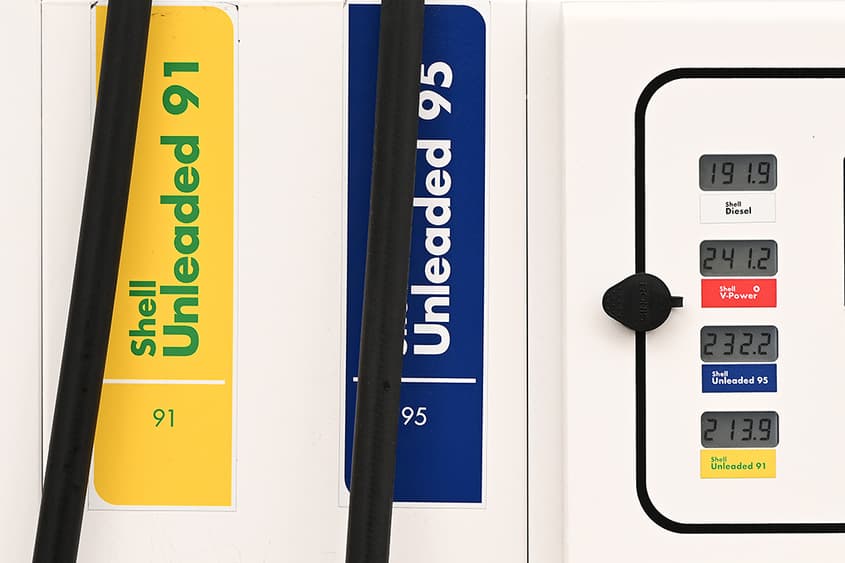
The Reserve Bank’s decision to raise interest rates this week was a double whammy for Australians struggling with petrol price increases in the past month that have already cost them more than the impact of the rate rise.

In February the unemployment rate rose from 4.1% to 4.3%, providing further evidence the Reserve Bank misread the economy when it raised rates in both February and this week.