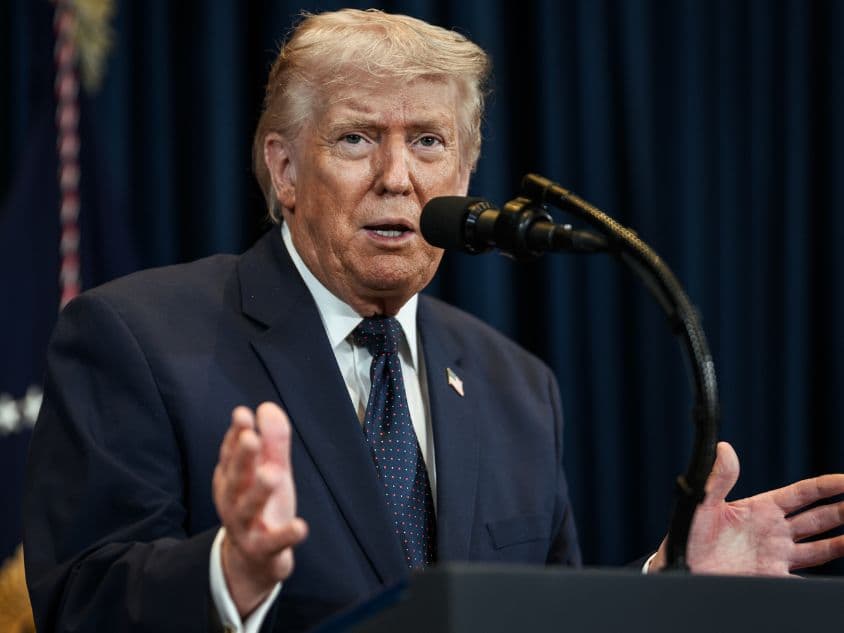
China is emerging as a quiet winner from Donald Trump’s escalating war in Iran, with its economy largely shielded from the worst of the global energy crisis.
Thu 26 Mar 2026 00.00
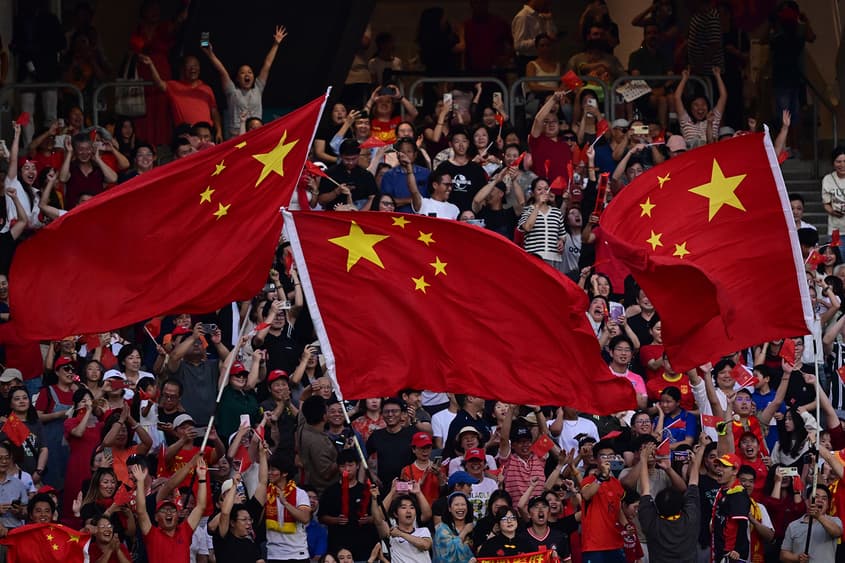
Photo: AAP Image/Dean Lewins


China is emerging as a quiet winner from Donald Trump’s escalating war in Iran, with its economy largely shielded from the worst of the global energy crisis.
While countries worldwide scramble to secure oil supply routes and grapple with surging petrol and electricity prices, China has been “watching from the sidelines”, largely insulated by decades of preparedness.
“China would be feeling that it got it exactly right by spending the last 20 years trying to improve its ability to mitigate these sorts of risks,” said Professor James Laurenceson, Director of the Australia-China Relations Institute at UTS.
Instead, America’s closest allies are being left to pay the price — and question their loyalties.
“While China is largely insulated from the crisis President Trump has caused, traditional allies of the United States are left scrambling to respond. In return, the president offers them nothing but contempt,” said Dr Emma Shortis, the Australia Institute’s Director of International & Security Affairs.
“Where closeness to the United States was once regarded as a strategic advantage by its allies, Trump is changing that calculation.”
China is the world’s largest oil importer, with roughly 40 per cent of its supply passing through the Strait of Hormuz, one of the most volatile chokepoints and a strategic flashpoint in the escalating Middle East conflict.
However, the global superpower is not as vulnerable to energy disruptions as some might assume.
In a strategic move, Iran has allowed a handful of ships to pass through the narrow strait, including vessels identifying Chinese ownership.
Additionally, it’s large domestic reserves mean “there’s no immediate panic”.
Speaking on the Australia Institute’s After America podcast, Prof. Laurenceson explained, “China’s got some access to pipeline supplies as well, so it’s not all seaborne … unlike Australia, it’s got access to a massive stockpile of oil domestically onshore that runs for more than three months”.
Another advantage is the country’s rapid shift to electric vehicles.
“More than half of the vehicles, the cars, even the trucks that are sold in China now are actually electric vehicles or hybrid vehicles,” he pointed out.
“And also on the demand side, China has price controls around petrol.”
He said petrol prices for Chinese motorists had risen by about 10 per cent over the last month – “which is not nothing” – compared to a roughly 25 per cent increase in the United States.
By contrast, Australia has been hit even harder.
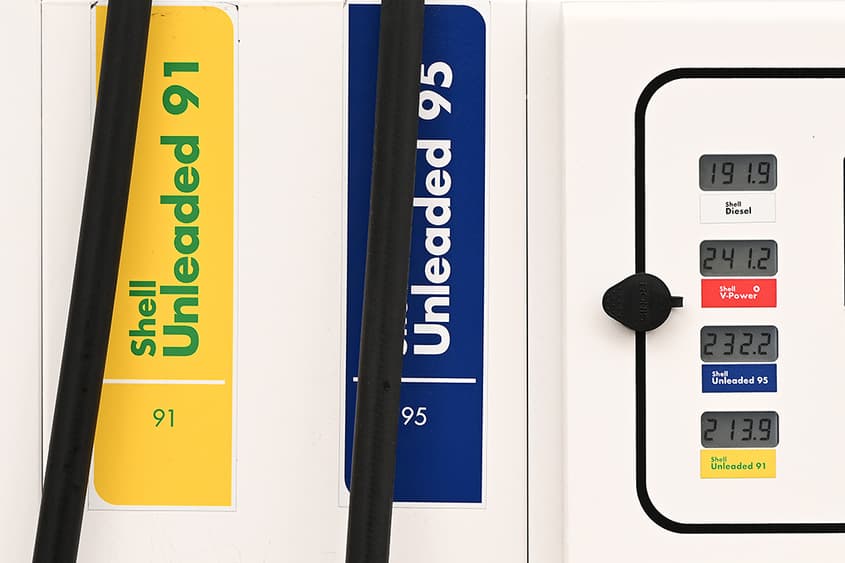
According to GlobalPetrolPrices, Australia has seen the steepest increase in the developed world, with unleaded 95 rising by 31.8 per cent.
He said the overwhelming majority of China’s electricity comes from domestic coal and renewables, “so again, it’s not particularly directly affected by what’s happening”.
Some analysts argue the conflict may form part of a broader US strategy to counter China’s global influence, with claims Donald Trump is “playing 4D chess” with Beijing.
Dr Shortis said there are suggestions that Trump has a “grand strategic plan” to contain China, with conflicts in Venezuela, Iran and Cuba all part of a broader effort to “choke it off”.
“I think it’s hard to believe, even when you spend a lot of time watching Trump, that he doesn’t have some kind of grand strategic plan behind this,” she said.
“It’s hard to believe that this is all as stupid as it seems.”
However, Prof. Laurenceson said he “just can’t see that”.
“What is the leverage that Trump is acquiring?” he asked. “It seems to me the facts are pretty overwhelming that China’s handling things fine.”
President Trump recently postponed a scheduled meeting with Chinese President Xi Jinping, telling foreign officials the summit will not be rescheduled until the Iran war ends.
“Trump hasn’t been paying a heap of attention to it [China] because of Iran and because his attention span isn’t that big,” said Dr Shortis.
Prof. Laurenceson said Beijing would have been “mildly annoyed” because it had invested time and energy preparing but ultimately, “it won’t be in any panic that it hasn’t happened”.
Overall, he noted, Beijing won’t mind being “deprioritised”.
“The US-China relationship isn’t warm, but it doesn’t need to be warm for Beijing to be pretty happy where things are at.”
“I think that everything that China is seeing from the sidelines is really just strengthening and reinforcing what most Chinese strategic thinkers thought, particularly about the US before this war.
“The the US will act unilaterally and not feel any restraint by international rules and norms.
He said the Australian Government, on the other hand, will need to contend with rising public scepticism about arrangements such as AUKUS.
“In what sense does it make sense for Australia to be enmeshed with the US military when the quality of strategic decision-making coming out of the US looks like this?”
Prime Minister Anthony Albanese has been walking back his initial support for President Trump’s actions in Iran, while China has called for the conflict to end, warning of a “vicious cycle.”
Will a gas export tax harm our diplomatic relationships? No. Foreign companies being sad about having to pay some tax in Australia is quite different to foreign countries losing trust in Australia as a reliable trade partner.
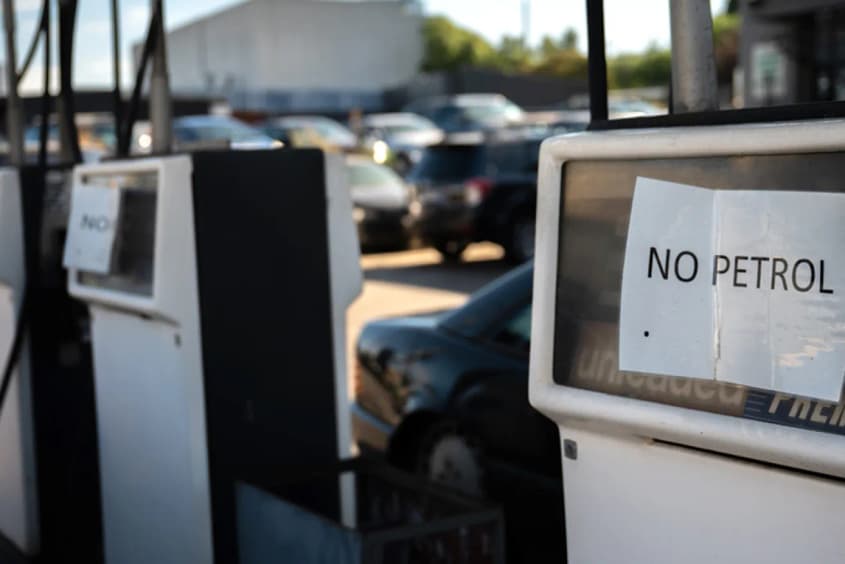
Australia faces an unprecedented oil security challenge. Fatih Birol, the executive director of the International Energy Agency (IEA), described the current oil shock as “the largest supply disruption in the history of the global oil market”, and is calling on countries to act rapidly to reduce economic impacts. While Australia navigated recent oil shocks unscathed thanks to a high self-reliance in oil and oil products, the Iran crisis is markedly different.
It isn’t always easy to keep up with what’s happening in the US. “Shorter America” is a series where Dr Emma Shortis loops you in on what’s going on in America and shares news and analysis that you can trust.