Environment Minister Murray Watt is facing renewed pressure to intervene and protect Tasmania’s heritage-listed Macquarie Harbour amid deepening public opposition to the state’s salmon farming industry.
Thu 26 Mar 2026 01.00
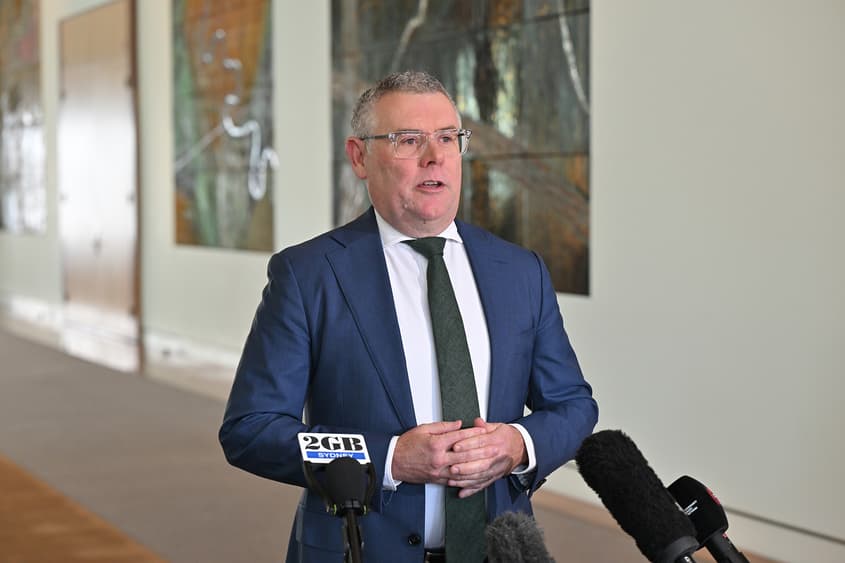
Photo: AAP Image/Mick Tsikas


Environment Minister Murray Watt is facing renewed pressure to intervene and protect Tasmania’s heritage-listed Macquarie Harbour amid deepening public opposition to the state’s salmon farming industry.
More than 50 business, Indigenous and conservation leaders took their concerns to Canberra this week, urging action to protect the harbour, which is the only known habitat of the endangered Maugean skate.
“Federal intervention is urgently needed to safeguard the skate, the Tasmanian brand and all the Tassie businesses that rely on it,” said Jess Coughlan, senior campaigner at Environment Tasmania.
Their visit coincided with the one-year anniversary of amendments to the Environment Protection and Biodiversity Conservation (EPBC) Act that limit the minister’s power to revisit and revoke past approvals for salmon farming.
The contentious changes were rushed through by the Albanese Government in the last sitting week of Parliament before the 2025 federal election was called.
“This was an egregious act of environmental vandalism done for the grubby purpose of harvesting votes in the seat of Braddon,” independent Tasmanian MP Andrew Wilkie told Parliament this week.
“And it was done despite the Environment Department’s own expert conservation advice detailing the catastrophic impact of salmon farms on the skate and recommending a significant reduction in stocking.”
While salmon farming communities celebrated, conservationists argued it was a death warrant for the Maugean skate — an ancient species of ray that is endemic to the harbour on the state’s west coast.
Research by the University of Tasmania in 2023 found its population had rapidly halved between 2014 and 2021, leading some to describe the endangered species as the “Tasmanian tiger of the sea”.
“I’m hopeful that the Maugean skate will become better known, and loved by all Australians, as an ancient dinosaur that has lived and thrived in Tasmania for over 65 million years, until its recent threat from people mismanaging themselves in its home, has bought it to the verge of extinction,” said Tasmanian Indigenous leader Lyndon O’Neil.
Earlier this month, documents released under freedom of information laws revealed then environment minister Tanya Plibersek rejected departmental advice in late 2024 to revoke a 2012 decision allowing salmon farming to expand in the harbour.
“This isn’t just about saving the skate; it’s about saving the natural heritage of Tasmania on which so many primary producers and tourism industries rely,” said Dr Leonardo Guida, a shark scientist and conservation lead at the Australian Marine Conservation Society.
“An immediate step in the right direction is for Minister Watt to register Macquarie Harbour as a critical habitat under Australian nature laws,” he said.
Data released by EPA Tasmania recently showed dissolved oxygen levels (essential for the survival of most aquatic life) were declining during the second half of 2025.
Conservationists have also raised concerns about a new report from the Department of Natural Resources and Environment Tasmania, which indicates the state government is moving to introduce 10-year farming licence terms and remove annual renewal requirements.
“Environment Department advice recently confirmed, fish farming is having a significant impact on Tasmania’s Wilderness World Heritage Area,” said Eloise Carr, ocean and public policy advisor.
“This means the Australian Government is failing to meet its obligations and we will take this to the World Heritage Committee.”
Now, a survey by Australia’s national science agency has found local support for the industry is drying up.
The report – titled Troubled waters or shared futures? – found almost 70 per cent of respondents are worried about coastal and marine health, and fewer than 10 per cent believe conditions are improving.
It also noted the Tasmanian salmon industry “remains the most contested sector” and is ranked “among the top five perceived threats and top three concerns.”
“This represents a significant and sustained shift from the strong community support experienced from 1986-2015, when the industry held an “enviable SLO” (Social Licence to Operate) to increasing contestation levels over the last decade,” the report stated.
Salmon Tasmania chief executive John Whittington told the ABC that the industry takes its responsibilities to stakeholders and communities extremely seriously.
However, conservationists note the shift in public sentiment coincides with growing evidence of harm to Tasmania’s protected wilderness.
“The rapid decline in public support for the multinational salmon industry operating in Tasmania’s waterways is only sharpening, and action on preserving the World Heritage area and the endangered Maugean skate needs to be taken,” said Ms Coughlan.
Australia’s poisons regulator shows how hard it is to rebuild an institution after it is damaged. As it rebuilds, Australian native animals are dying.
Advertisement

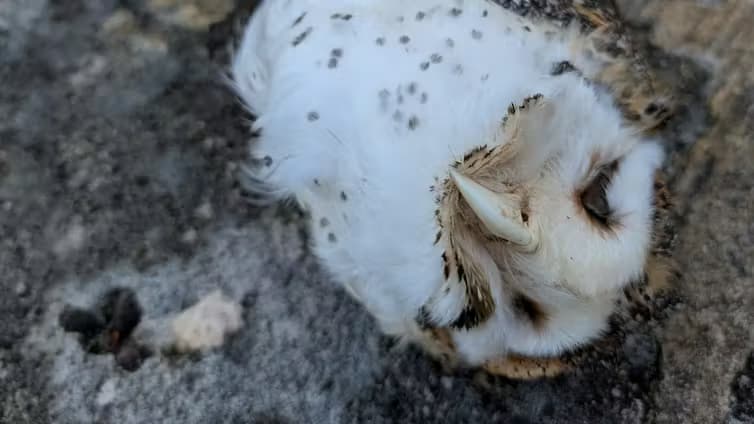
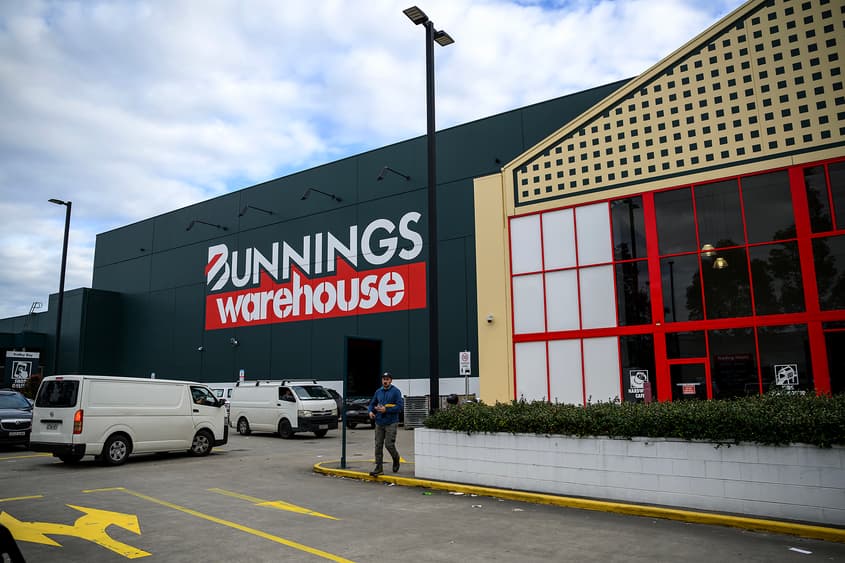
Australia’s wildlife is facing a quiet and unnecessary threat, not just from habitat loss, bushfires or climate change, but from something sitting on the shelves of hardware stores and supermarkets, and in turn households: rat poison.
Australia’s struggling wildlife rescue sector is calling for the Albanese government to fund a national system for treating injured and orphaned native animals.